A shop for a beloved brand has to carry its DNA.
18/09/202532:42CommunityReputation

The audio player is provided by Letscast, which sets cookies.
Iconic football pictures turned into a complete shop: the 11FREUNDE shop sells wall art, retro jerseys, accessories, books – and tickets. Shop manager Mattias Benesch explains to Jean-Marc Noël why trust in e‑commerce is more than a nice-to-have, and how to sell high-priced products online to a community that is critical of consumerism.
Comment onYouTube (opens in a new window)
Original language: German
In this episode: Jean‑Marc Noël, Mattias Benesch (11FREUNDE)
Transcript
# Community of Trust — 11FREUNDE with Mattias Benesch
Jean-Marc Noël: When did you realise that trust was really important — that it plays an important role for your online shop?
Mattias Benesch: We are actually a brand that already has trust. 11FREUNDE is a trusted brand.
But the online-shop business is a different business from the magazine business. So I think you have to give people that trust: we do this well for you, this is a high-quality offer, and you really get quality delivered here.
That's why it was clear that we needed a partner. And the decision to work with Trusted Shops was made relatively quickly.
Jean-Marc Noël: Community of Trust, the podcast. Today with Mattias Benesch, Head of the 11FREUNDE Shop.
Welcome to Community of Trust, the podcast where successful online retailers share their real experiences and proven strategies so that you can take your e‑commerce business to the next level.
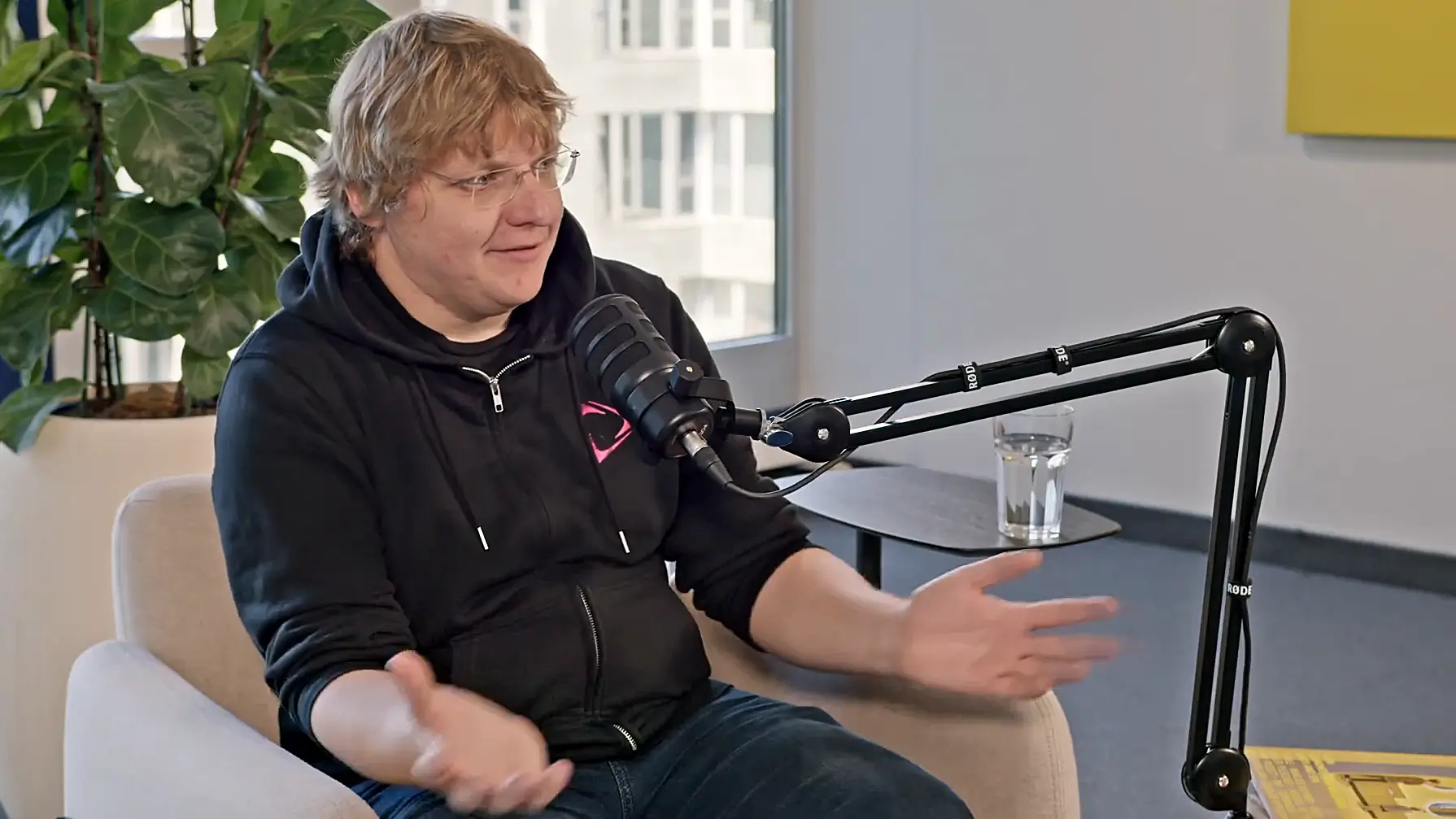
I'm Jean-Marc Noël, founder and CEO of Trusted Shops, and today I'm speaking with Mattias Benesch, Head of the 11FREUNDE online shop.
11FREUNDE is the cult magazine for football culture in Germany, and in the 11FREUNDE Shop, brand, merchandising and genuine football passion come together.
So in this episode we'll talk about that, and with Mattias we'll go through the challenges you've faced step by step and how you've overcome them, so that other online retailers may be able to learn from it.
Mattias, welcome to the podcast.
Mattias Benesch: Hello Jean-Marc. I'm very pleased about the invitation. Thank you for having me.
Jean-Marc Noël: Very nice.
You've just come from Berlin. You arrived yesterday, and we're recording here in Cologne.
Beforehand, I had another look at the 11FREUNDE Shop and especially at the reviews you use.
We have a fairly new feature where we summarise reviews, also with the help of AI.
And your review summary says that most customers particularly highlight the very fast delivery and the secure, careful packaging, while a few report delays.
The high product quality and the uncomplicated, smooth purchasing process are rated particularly positively.
The helpful and friendly customer service also creates a good feeling when there are problems.
Overall, the shop is perceived as clear, exciting and particularly attractive for football fans.
So tell us a little about your online shop. What makes it special? What is its DNA?
Mattias Benesch: First of all, that's a nice summary. I'm pleased to hear it put together like that.
The 11FREUNDE Shop, in the form it has today, has existed since 2015.
That doesn't mean we only started working in this business in 2015.
The magazine itself is now 25 years old, and relatively early on — I think after ten or eleven issues — we were already offering things like a mug or a small stadium card game as subscription premiums.
Then quite quickly, together with a partner, we created a small merchandising range with a few more shirts.
The ideas already came from the editorial team, but the implementation wasn't in-house. It was handled by an external agency.
Then, sometime around 2010 or 2011, I had the idea that we could do something with all the photographs we had.
11FREUNDE has always stood for a very distinctive visual language that you don't really find in the same way in other sports magazines.
For example, we always had a stadium poster in the magazine — a large-format image that people genuinely hung up at home, showing various stadiums, not only national ones but international stadiums too.
I started at 11FREUNDE in PR, and I kept noticing calls coming in from people asking: don't you have that in a nicer, larger format?
The poster was fine, but ultimately they wanted something bigger and more beautiful for their home.
At some point I thought: okay, maybe there is a market for this.
So we started clearing the image rights and looking for a producer.
It was basically like creating a pop-up company within the company.
We founded the 11FREUNDE Bilderwelt.
That was also the shop we first had verified by Trusted Shops, in 2012.
There, we sold various football photographs — historical ones, but also more modern images — both from the archives of well-known sports agencies and from award-winning photographers.
We already had a nice inventory of, I'd say, around 120 images when we launched.
And it worked relatively well and quickly.
So we said: okay, why don't we bring all the other merchandising activities that we're still handling externally back into the publishing house?
That became my project.
And we implemented that on 1 January 2015 with the 11FREUNDE Shop as it exists today.
The wall art is still a major topic.
But we also sell classic T-shirts, mugs and all kinds of accessories.
We have a large range of magazines and books.
We also sell tickets now, which has become a big topic for our own events.
Jean-Marc Noël: So it's a fairly broad assortment, including brands and so on.
Tell us a little about the challenges that creates.
Selling tickets is one thing, but then you also have posters, textiles and many different kinds of products.
How do you manage that? What were the issues where you thought: this really was a challenge, but we found a good solution?
Mattias Benesch: We basically had to build everything from scratch.
We had to find a payment provider.
We had to find a producer for the wall art.
We needed producers for our accessories and producers for our shirts.
Because of our history, since we'd already made shirts before, we were able to keep some things and some partners.
But otherwise there were many challenges that we worked through piece by piece.
By now, it has become quite complex because the shop controls several different fulfilment partners.
We have classic warehouse stock, which is stored in Baden-Württemberg.
That's all the pre-produced merchandise, as well as magazines and books.
Then we have the wall-art range, where orders go directly to the wall-art producer and are fulfilled from there.
We now also have an on-demand T-shirt range.
The designs and blank products are stored there, we send the order in, and the partner fulfils it directly.
And tickets work in a similar way.
We have a partner for that too, and when a ticket order comes in, the customer receives the PDF ticket from that partner.
Bringing all of that together — especially mixed shopping baskets and different delivery times — was a major challenge.
Jean-Marc Noël: How did you do that?
You probably had to work your way towards it with shop systems and tools.
Can you explain to our listeners how you built the shop you have today?
Mattias Benesch: From the ground up, everything starts with the assortment.
You first have to think about what you actually want to offer.
We had the wall art.
We knew T-shirts worked if you had a good idea.
And we also knew that our target group has what I would call a fairly football-romantic mindset and responds very strongly to retro themes.
Retro is a huge topic again right now, but it was already part of the 11FREUNDE DNA.
So the assortment had to fit the brand.
Then you need to find the right partners and build the processes around that.
The shop itself then has to be able to handle the different fulfilment models.
That has grown step by step.
Jean-Marc Noël: You mentioned your target group.
You have this community.
I think you have a very large following on Facebook. How many followers do you have there?
Mattias Benesch: We were very early on Facebook.
We now have more than 400,000 followers there.
Jean-Marc Noël: More than 400,000. That's a very large number.
So tell us a little about the whole range of channels you use to attract new customers.
You just spoke about the DNA of 11FREUNDE — a little retro, authentic and so on.
How do you do it?
Which channels do you use, and what would you recommend to other people watching or listening?
Mattias Benesch: I think, compared with other online shops, perhaps the biggest difference is that we operate the 11FREUNDE Shop as an additional business of the publishing house.
We're not purely an online-shop company.
We're not purely an e‑commerce company.
So I think we already had a major advantage from the beginning because we had the magazine audience — our readers and subscribers.
Jean-Marc Noël: Great magazine, by the way.
11FREUNDE — really, "the best outsider in the world".
Mattias Benesch: Yes.
This issue here has Ajax Amsterdam as the cover story.
We look back at how they performed in the mid-1990s.
That really was a fantastic team that inspired everyone.
The big advantage was that we knew our readership.
We knew what they liked.
The challenge was then to think about how we transfer that into a shop range.
11FREUNDE is the magazine for football culture.
And we also have a readership that is fairly critical of consumerism.
That's part of the difficulty.
You have a consumption-critical target group, but they still have an interest in certain products.
So how do you communicate that well without being too aggressive?
It always needs a certain charm.
It can't be too in-your-face.
It has to be a little more subtle.
Jean-Marc Noël: So you really have to take the 11FREUNDE DNA into account.
When you think about the different marketing channels, how do you use them?
Do you do a lot of classic paid marketing?
I assume social media plays a role.
Tell us a little more about what works particularly well for you.
Mattias Benesch: By now, we're relatively broad.
Paid marketing plays a major role for us.
We always have Google Ads and Meta ads running.
I'd say that's still one of the biggest levers for us.
What also works very well are organic posts.
And we deliberately decided that the shop would not have its own social-media platform.
There isn't a separate Facebook page for the 11FREUNDE Shop or a separate Instagram account.
We use the magazine's main channels.
That naturally means we have limited posting slots.
We can't post something about the shop every day. That would be too aggressive again.
But from time to time we can do organic posts about new shop products, or when we have a new event and ticket sales start, or when our new calendars come out.
That's a major lever.
Classic print advertising is still important too.
We have several ads in the magazine.
We are now part of the SPIEGEL Group — the SPIEGEL Group owns 51% of the 11FREUNDE publishing house.
And within the SPIEGEL Group, we also have opportunities to place inserts in other magazines or advertise there.
Classic print advertising is still an important tool for us.
And we're also a gift shop to some extent.
That means Q4, the Christmas business, is extremely important.
At that time of year, we distribute an insert on a large scale.
It isn't only included with 11FREUNDE.
It might also go out with the subscriber edition of DER SPIEGEL or with other magazines.
It's basically a small catalogue, and it still works incredibly well.
It's also funny in customer service when older people call and say: "Yes, I saw your catalogue and I'd like to order this or that for my grandson."
We still offer telephone ordering.
It's old-school, but it works.
Jean-Marc Noël: Old-school, but it works.
Social media is obviously very important as well.
Let's talk a little more about that.
You were on Facebook very early.
Now Instagram, and we've spoken a little about TikTok.
How do you approach it?
How do you test things?
And one thing a lot of people are interested in: how do you deal with newer developments such as influencers?
Mattias Benesch: We now manage Google Ads through an agency.
Everything we do on Meta, we do ourselves.
We use different tools there.
From time to time, we test things and see what performed well, which creative works better and which one doesn't.
We use the range of tools available to us.
Generally it's about short, concise messaging and a strong visual.
That works quite well for us.
With influencers, we have what you might call "friends of the house", including some well-known ones.
Every now and then we'll send them a new calendar or a shirt.
But never in the sense of: please wear this now.
It's more like: here it is.
And every now and then, someone wears it.
We don't really want to put too much pressure on them and say: couldn't you please do this?
That's not our style.
But we still see potential with influencers who fit our brand well.
We could approach them more actively in future and use that channel more.
Jean-Marc Noël: So you're looking at it very deliberately, but still staying true to that consumption-critical customer base.
Mattias Benesch: Exactly.
It shouldn't look too much like what it ultimately sometimes is: a paid advertising partnership.
It should come across authentically, as though people genuinely like the product and therefore show it.
Of course, that's always difficult because for the other side it is usually a business and they get paid for it.
We're trying to find the right balance.
Jean-Marc Noël: You've also collected many great reviews from your customers with Trusted Shops.
Do you use those to support your advertising or your reputation externally?
Mattias Benesch: We use them relatively prominently on the website.
We have the integration where you can quickly see the rating and the individual customer reviews rotate through.
But that's a good point.
It's still on our agenda to use those reviews more actively in advertising as well.
Especially when we're advertising in channels where it's quite likely that people don't know the 11FREUNDE brand yet.
That's an interesting point for us.
By now, our customers aren't only our readers.
The 11FREUNDE Shop also reaches many people who have never held an editorial 11FREUNDE product in their hands.
It's interesting to see how that works and how those people find us.
Jean-Marc Noël: I'm impressed because the breadth of what you're doing is enormous.
Before our conversation, I asked you about your team and how you're set up.
Tell us again, because I found that genuinely impressive.
Mattias Benesch: I always say this with a bit of caution because it isn't supposed to sound like "look how much we manage".
But for the shop itself, we're one and a half people.
You do have to say clearly that the different departments of the 11FREUNDE publishing house contribute to the products.
A calendar can only be created if the photo editorial team works on it and the graphics team lays it out.
And with products such as the quiz calendar or the stadium card game, there is obviously an editorial component too.
So the different 11FREUNDE departments work on the products.
But administratively, one and a half people work on the shop.
Jean-Marc Noël: And you also have another major project ahead of you with the shop and the shop system.
You're currently on Magento.
Mattias Benesch: We're still on Magento, exactly.
As I mentioned at the beginning, the 11FREUNDE publishing house is now 51% owned by the SPIEGEL Group.
All the editorial systems now run on the SPIEGEL infrastructure.
The shop, however, still runs separately.
In future, the shop is also supposed to move onto the SPIEGEL system.
So we're currently looking at migrating to Shopware.
That is the most likely solution.
Ideally, it should happen by 2026, before the 2026 Football World Cup.
That's the project we're working on now.
Jean-Marc Noël: You've already seen a lot.
Looking back, what would you do differently?
Are there things where you say: we really got that wrong, or it wasn't terrible but I'd approach it differently today?
Mattias Benesch: I think in the early days, we created a lot of manual work for ourselves that probably wasn't necessary.
There may already have been better automated solutions back then.
The whole integration of interfaces was really difficult.
That caused a lot of effort for the agency that built our shop.
The challenge of displaying mixed shopping baskets and different delivery times was also complicated.
I think we could have found smarter solutions even then.
In the end, we managed it with highly customised solutions, but I think we could have saved ourselves a lot of work.
So my recommendation is always: use the automation that exists. Use existing solutions.
Jean-Marc Noël: Let's make that concrete.
If you were starting today, are there tools or approaches you'd use to save yourself that work?
Mattias Benesch: Article creation is one area.
That probably also has to do with the shop system.
With Magento, we have a relatively complex article-creation process.
Image uploads are still manual, and we have to set different filters and so on.
There is definitely a lot of potential there.
Jean-Marc Noël: Are there tools, books, resources or anything else that has really helped you and that you could recommend?
In your day-to-day work, with one and a half people managing all of this, you must work with tools and support.
Mattias Benesch: We benefit a lot from the experience of our fulfilment partners.
They've helped us considerably because they've already created solutions for other companies.
We've learned a lot from them.
And it also helps to exchange ideas with other online shops and learn from what they're doing.
There were Trusted Shops member events where we met various other retailers.
That helped.
Maintaining that exchange and always taking something away from it is important.
We've also often gone to trade fairs.
So I think it's about constantly listening to what works well elsewhere and then using what makes sense for you.
Jean-Marc Noël: If you were completely free and could build your online shop again from day one today, how would you do it?
Mattias Benesch: Good question.
I would still say that the content — what you actually want to sell — is the most important thing.
If that's coherent, then how you bring it to people is obviously equally important, but the whole thing starts with the assortment.
We also discussed this briefly before the recording.
Before we became part of the SPIEGEL Group, we belonged to Gruner + Jahr, a publishing house with various magazine titles.
People there naturally looked at how 11FREUNDE was doing the 11FREUNDE Shop and asked whether that could be adapted for other magazine brands.
But I think the reason it works for us has a great deal to do with the connection to football.
Football is an area where merchandise is already established and wanted.
Our task was simply to create a niche offering that nobody else had in the same way.
So in our case, the assortment comes first.
Then you look at which tools to use.
You need a clever, smart shop system and good integrations.
I'd pay particular attention to having smart solutions.
And above all, you need to control the processes.
You have to know what your warehouse is doing and what partner X is doing.
You need to stay in regular contact with people.
You also have to ask: do you have a new solution? Could we do this or that differently?
You have to stay close to your partners and the people who are important to the process.
Jean-Marc Noël: We're now in the age of AI.
That also brings a major challenge for authenticity, which we've discussed.
But in your day-to-day work, are there AI tools you already use?
I can imagine things such as text, for example.
Have you tried anything where you'd say: yes, this is genuinely useful?
Mattias Benesch: We're quite new to it.
At the moment, we're experimenting with mock-up tools.
There are some very good tools now, and you can save a lot of work and expensive photo shoots.
That's a big topic for us at the moment.
We also use AI occasionally for texts.
If we say: okay, we have one nested sentence too many, we'll sometimes use AI to simplify it a bit.
But as the 11FREUNDE Shop, because we're also an extension of an editorial product, we still have the ambition to create things ourselves.
AI should help.
At the moment, AI should help, but it shouldn't take over.
Jean-Marc Noël: Concretely, is there a tool you can recommend to listeners — something you've tried and thought was quite good?
Mattias Benesch: We've recently been looking at Pacdora for mock-ups.
And otherwise, we use the usual things — ChatGPT, for example.
But as I said, only selectively so far.
It's not yet a huge topic for us.
We obviously know how important it is, but we're approaching it gradually and looking at where it can genuinely help.
Jean-Marc Noël: If our viewers or listeners want to learn more about you and 11FREUNDE, where should they look?
I still find the fact that one and a half people manage this shop extremely impressive.
Where can people learn more?
Mattias Benesch: About me personally, probably not that much.
And that's not really the important thing.
But we've had a blog on the shop for, I think, around two years.
We started it because we kept hearing that a blog and content are useful for SEO.
We have small sections there, such as "In eigener Sache".
We present new products and also briefly introduce the new magazine issues.
It's a nice tool for giving smaller shop-related topics some public visibility.
Jean-Marc Noël: Great.
Mattias Benesch: And otherwise, I can only recommend following all the 11FREUNDE social-media channels — and our podcast.
Jean-Marc Noël: I have to say, on the way here I listened to your daily podcast as well, about Nagelsmann and what he's currently doing.
Very interesting, really good.
And with that, I want to thank you very much for being here.
That's it for this episode.
You can see how quickly time flies.
I hope you've received valuable, practical tips that you can apply directly in your own online shop.
If you enjoyed the episode, subscribe to the podcast and of course leave a review.
That helps us reach more online retailers.
You'll find more insights and valuable resources at trustedshops.de or trustedshops.com.
And of course, become part of our community.
Thank you for listening, see you in the next episode, and good luck with your online business.
Mattias, thank you very much.
It was great, and you really made us feel some of that passion behind 11FREUNDE.
And thank you as well for bringing these great magazines.
Mattias Benesch: I enjoyed it. Thank you very much for having me.
Jean-Marc Noël: Great.
Community of Trust. Subscribe now wherever you get your podcasts.
Share this episode
Get in touch with our team

Because you listened to »A shop for a beloved brand has to carry its DNA.«

 Your customers are already telling you how to grow – listen to them.28/04/2025. How do you build real trust in the digital age? Beate Rank, CEO and co-founder of Fred & Felia, shares her personal motivation, product development and clever community building. Fred & Felia relies on quality, transparency and genuine customer reviews – and turns dog owners into loyal fans.Your customers are already telling you how to grow – listen to them.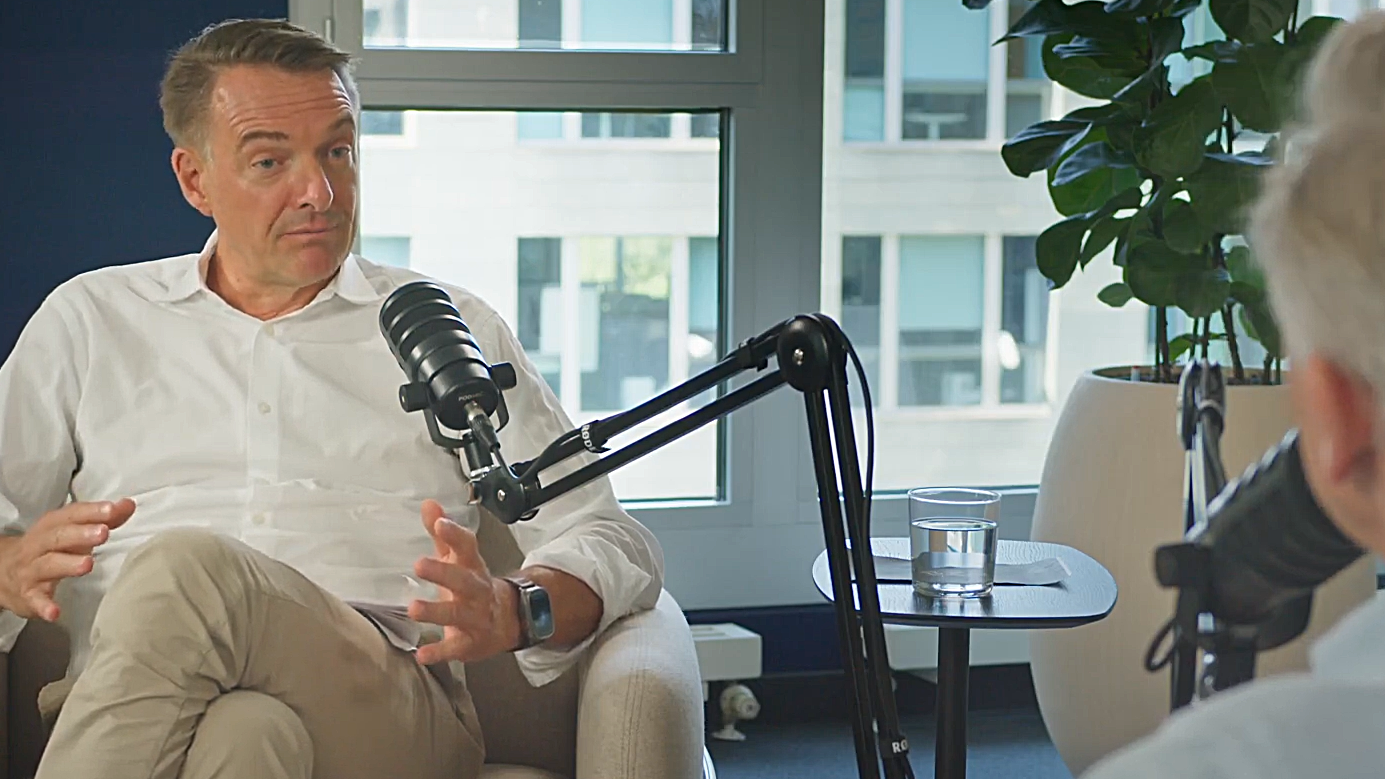
 Customer feedback is our main learning source.25/08/2026. 10,000 reviews, AI and a new course in e‑commerce: from fashion brand with physical stores to modern omnichannel retailer, More & More has gone through a full digital transformation. Jean-Marc Noël, CEO and founder of Trusted Shops, talks to Thomas Forstpointner, Head of E‑Commerce at More & More, about the challenges along the way and how trust works digitally.Customer feedback is our main learning source.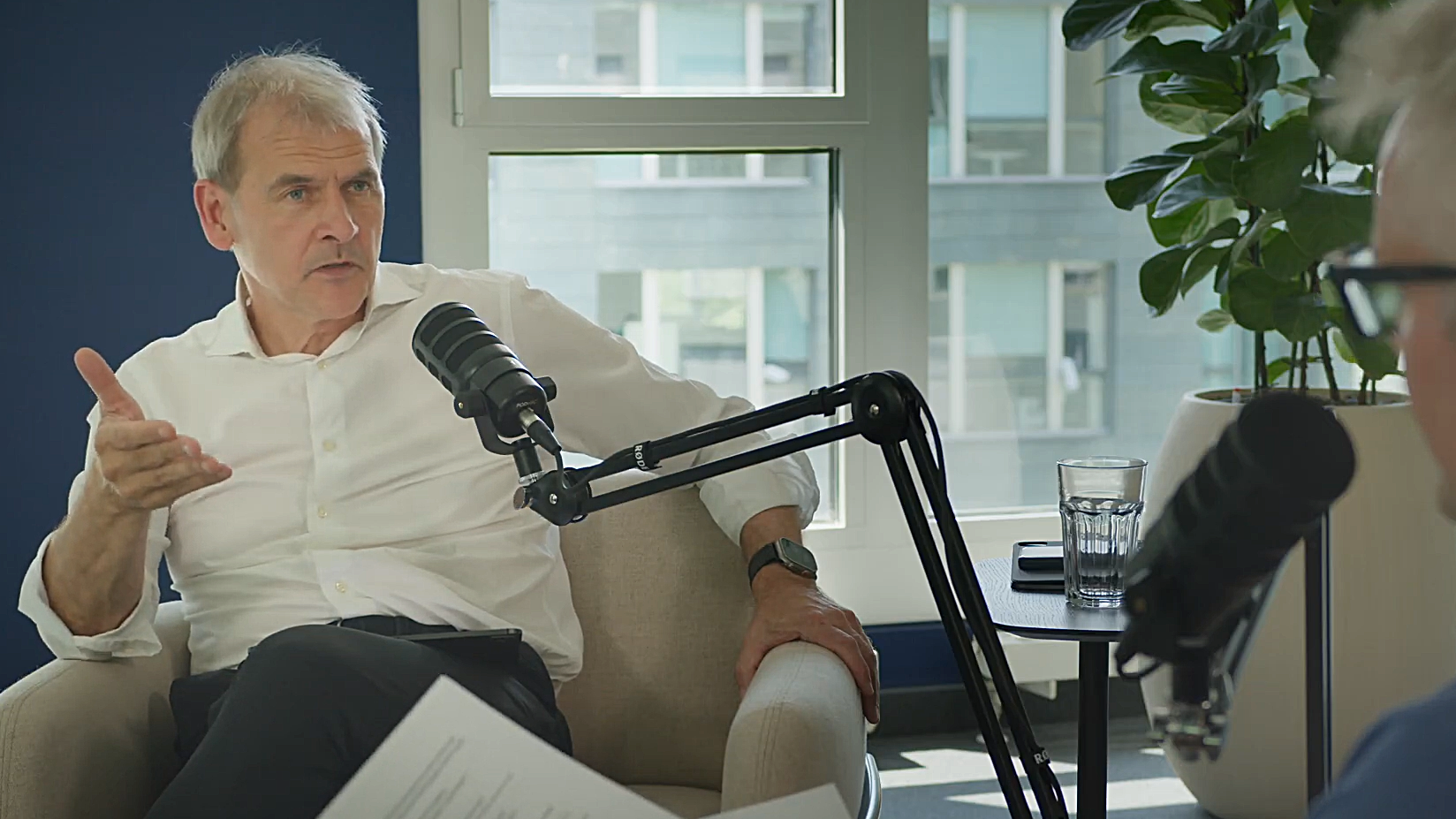
 Unfortunately, those who play by the rules are the ones who lose out.13/08/2026. Fake shops and manipulated reviews harm not only consumers but the whole of online retail. Dr. Carsten Föhlisch talks to Stephan Tromp, Deputy Managing Director of the German Retail Federation (HDE), about the growing threat of online fraud and why trust has become the most important currency in e‑commerce.Unfortunately, those who play by the rules are the ones who lose out.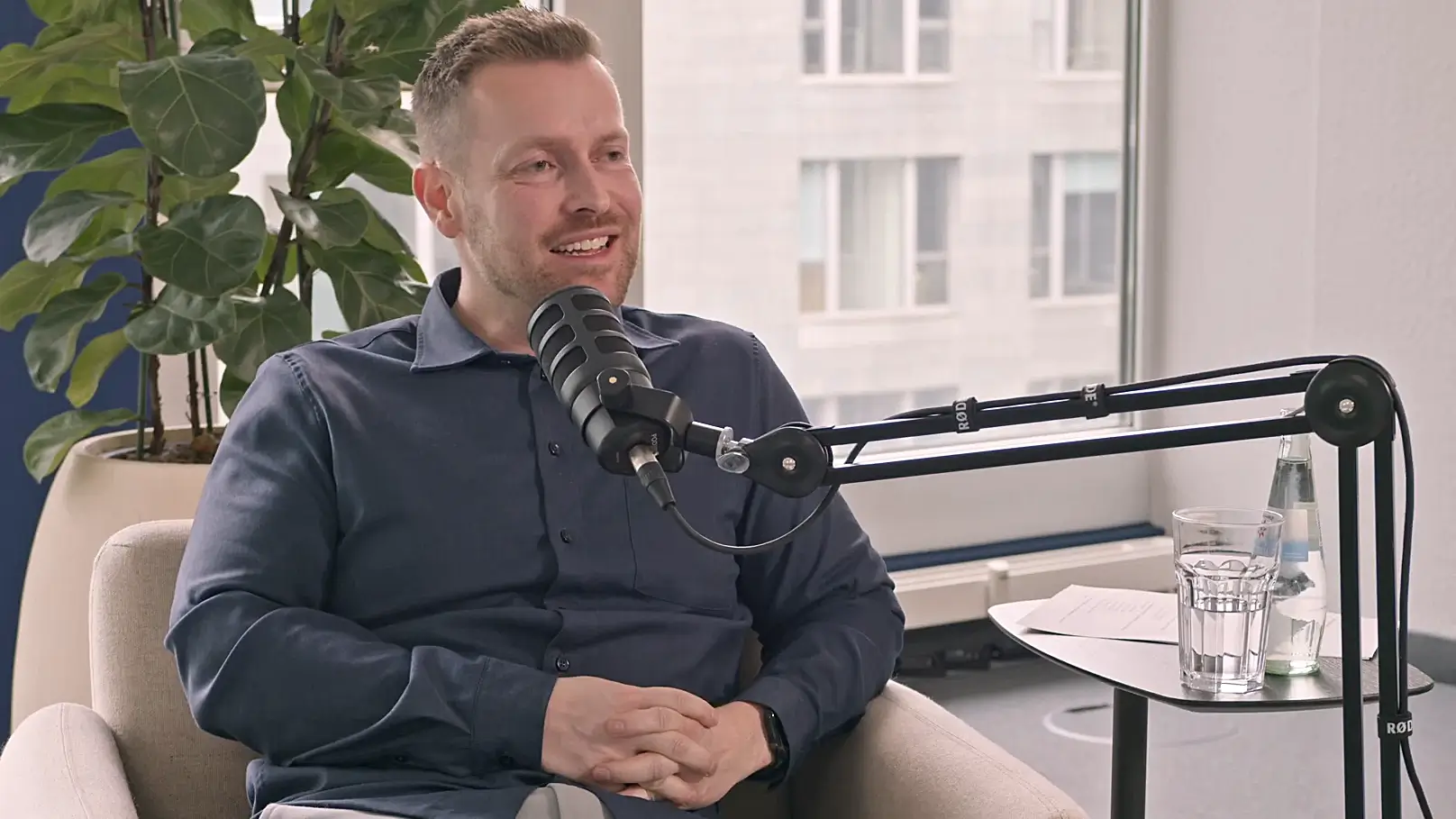

 Hard lessons in logistics, drop-shipping and agency red flags.28/05/2026. Made to measure, down to the centimetre: what DIY stores can't do, Grimberg GmbH turned into a business model. Maurice Grimberg and his sister Leonie run the family company from Sievern, started by their father in 2004 in a hallway, as a modern e‑commerce business with more than 130,000 customers in Germany and the Benelux. How do you notice that an agency doesn't really understand your product – and when do you act on it?Hard lessons in logistics, drop-shipping and agency red flags.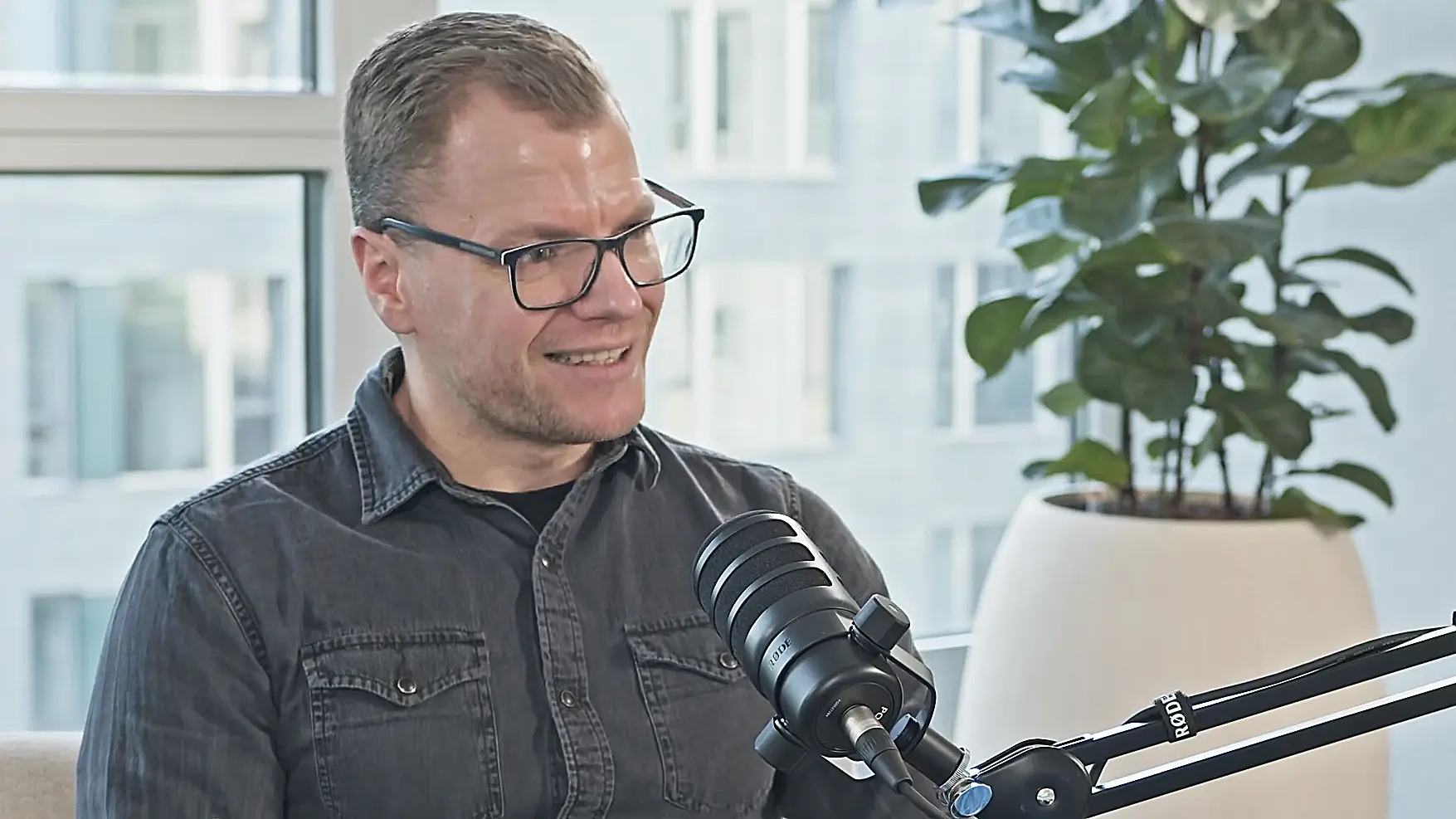
 Trust rocks the cradle: crowdfunding and D2C from scratch.11/03/2026. Starting from zero with a completely unknown product, you need one thing above all: trust. Hendrik Mahncke, founder of Rock My Sleep, knew that from the start. He tells Jean-Marc Noël how a crowdfunding campaign and an idea on a sheet of paper became a serious e‑commerce business, and how an unknown brand earns the trust of parents.Trust rocks the cradle: crowdfunding and D2C from scratch.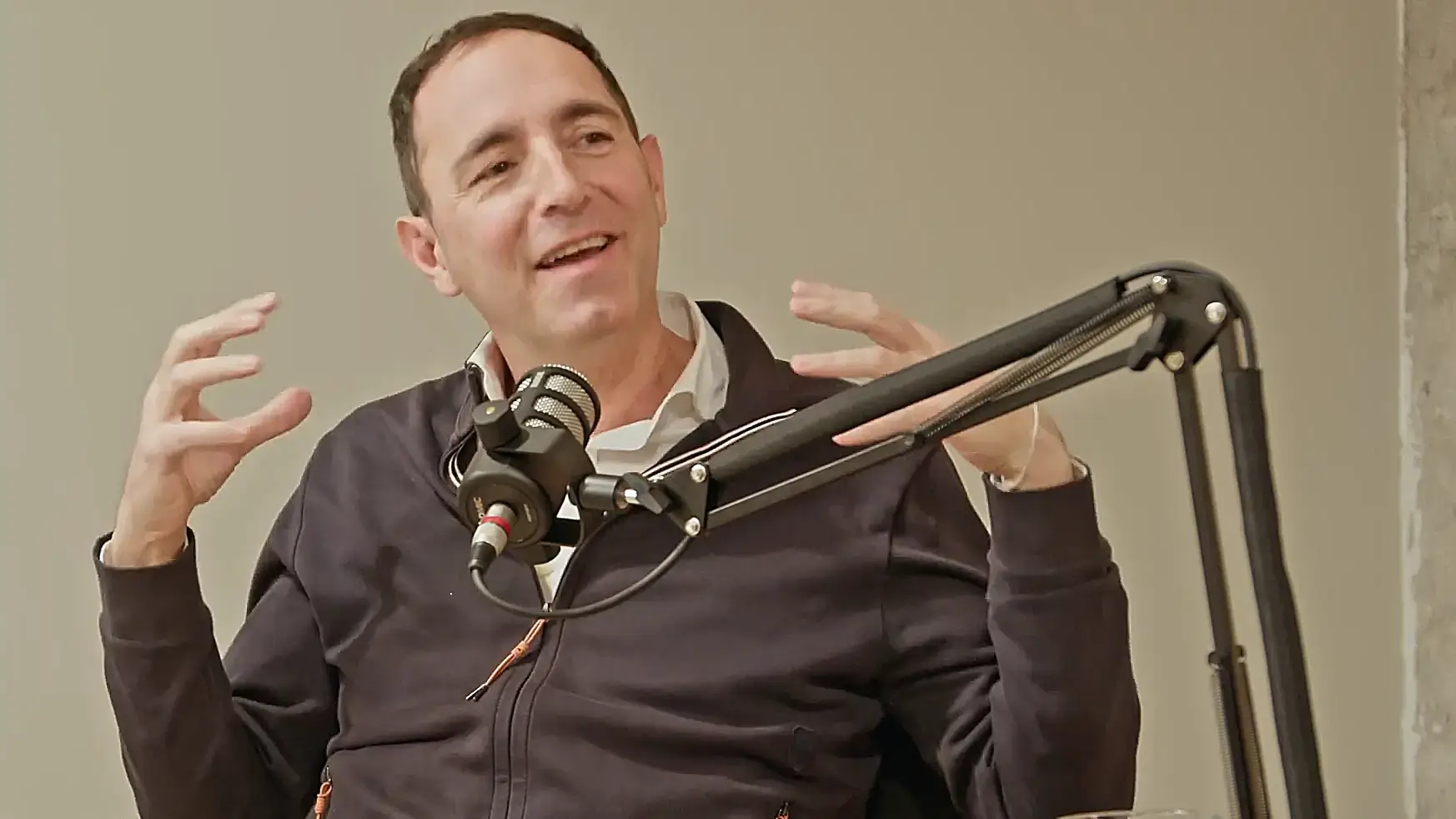
 Market realities: navigating regional differences and subscriptions.12/01/2026. “There are moments when you feel like giving up – and that's often when it becomes clear whether a business will truly grow.” Jean-Marc Noël talks to Marius Rossel, founder and CEO of the Spanish e‑commerce agency TRILOGI, about 25 years of entrepreneurship, technological change and why trust is a decisive success factor in the Spanish market.Market realities: navigating regional differences and subscriptions.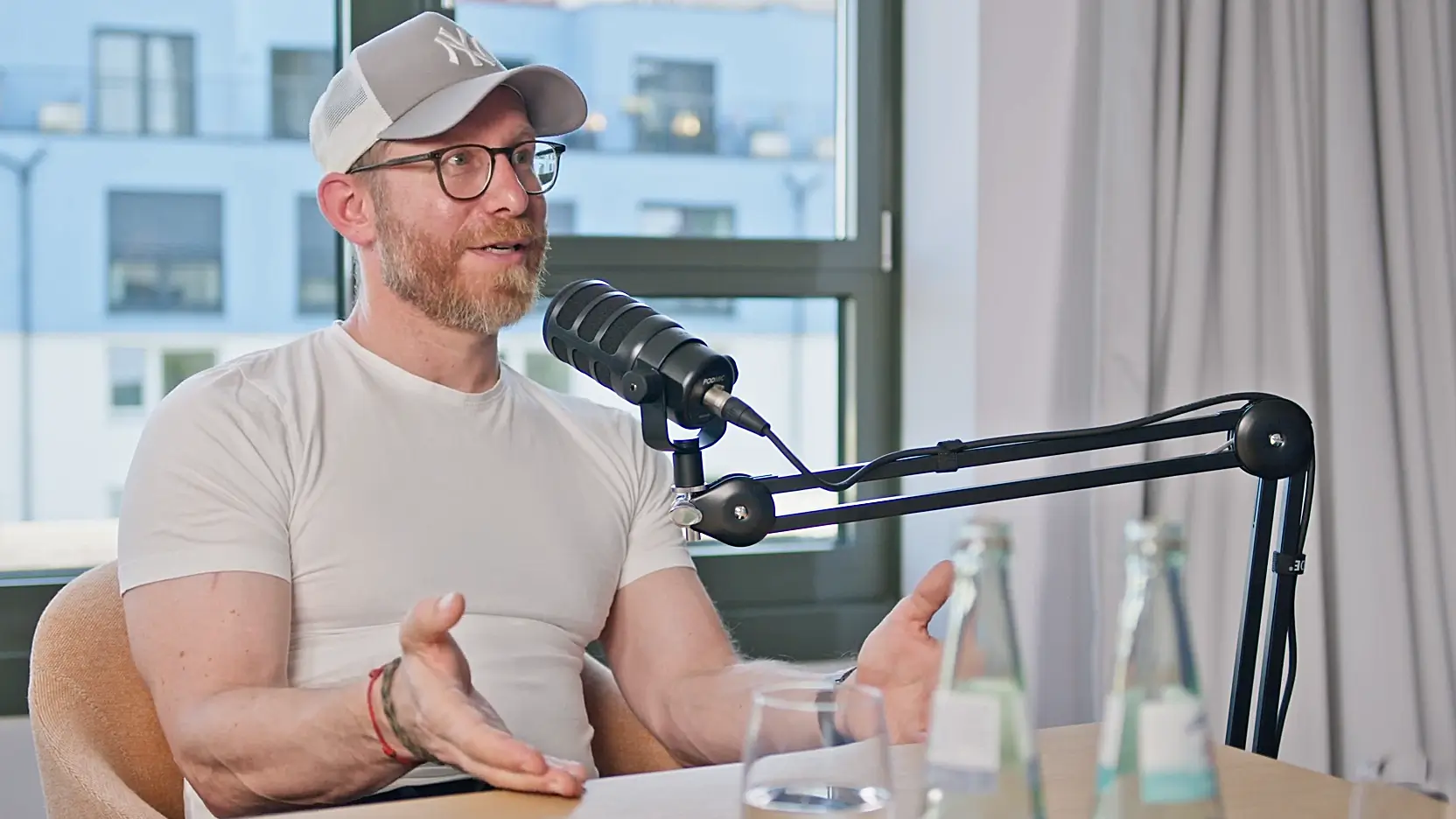
 Always remember what makes you unique – it’s what makes you grow.07/07/2025. Every bag one of a kind, made from real fire hose – that's the idea behind Feuerwear. CEO Robert Klüsener talks to Jean-Marc Noël about sustainable production, building a direct-to-consumer shop and how e‑commerce works when every product exists only once – and why reviews and the Trusted Shops trustmark matter.Always remember what makes you unique – it’s what makes you grow.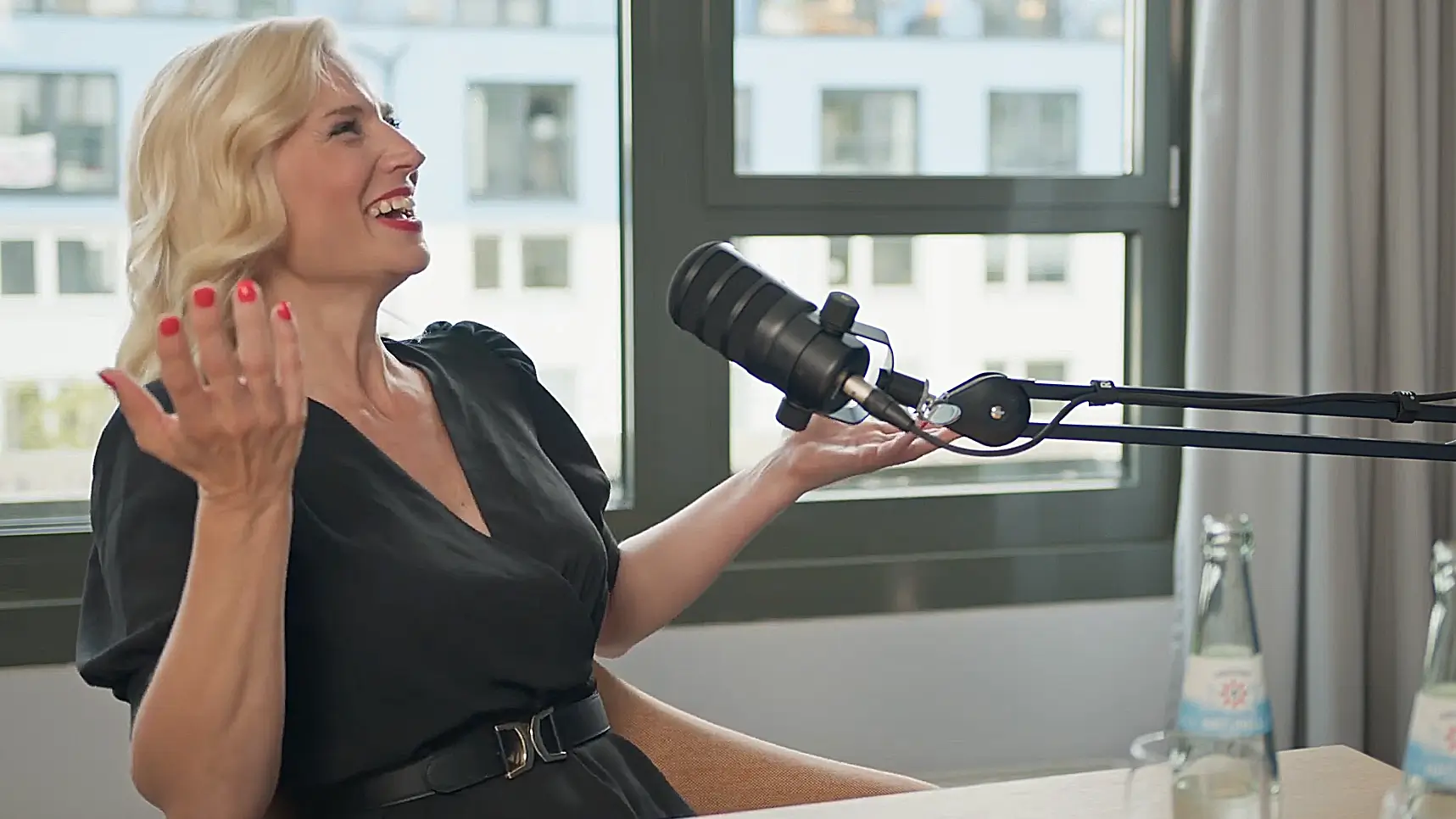
 Screw the manual: why zero‑budget success demands your own unconventional path.21/05/2025. Carolin Handschuh started her online shop missforty germany in 2020, out of a personal crisis and without much starting capital. She talks to Jean-Marc Noël about bold decisions, honest marketing and building a strong community – why she made returns chargeable on purpose and what role TikTok plays in building her brand.Screw the manual: why zero‑budget success demands your own unconventional path.
 AI creates opportunity only if customers trust what you do with it.11/03/2025. Data protection, artificial intelligence, influencer marketing – e‑commerce is changing fast. Pixum has been a leader in photo products for 25 years, but competition is tougher than ever. Pixum CEO Daniel Attallah talks to Jean-Marc Noël about how transparency, data security and the Trusted Shops trustmark keep customers' trust.AI creates opportunity only if customers trust what you do with it.
More from #trstd casts
 We require transparent AI. Trust cannot be built without transparency.29/09/2026. Artificial intelligence has long been more than hype – and yet agentic AI is far from reality everywhere. In conversation with Sabrina Engling, Valentina Kerst of the German AI Association (KI Bundesverband) explains where companies stand today, which topics are underestimated and why good data foundations are decisive for the next stage. Kerst sees the biggest gap in data governance: companies need to know which data they have, where it lives, who may access it and how it is structured. Only a reliable data foundation makes it possible to use AI agents meaningfully.We require transparent AI. Trust cannot be built without transparency.
 A large number of reviews is a major factor for AI.22/09/2026. E‑commerce is changing fast: customers expect good products, fair prices and a smooth experience, while AI and agentic commerce change how people discover and buy products. Bastian Kolmsee, COO of Trusted Shops, talks to David Rissmann, Head of Strategy and Chief of Staff at Flaconi, about the beauty retailer's path from start-up to international e‑commerce company.A large number of reviews is a major factor for AI.
- Customer feedback is our main learning source.25/08/2026. 10,000 reviews, AI and a new course in e‑commerce: from fashion brand with physical stores to modern omnichannel retailer, More & More has gone through a full digital transformation. Jean-Marc Noël, CEO and founder of Trusted Shops, talks to Thomas Forstpointner, Head of E‑Commerce at More & More, about the challenges along the way and how trust works digitally.Customer feedback is our main learning source.
- Unfortunately, those who play by the rules are the ones who lose out.13/08/2026. Fake shops and manipulated reviews harm not only consumers but the whole of online retail. Dr. Carsten Föhlisch talks to Stephan Tromp, Deputy Managing Director of the German Retail Federation (HDE), about the growing threat of online fraud and why trust has become the most important currency in e‑commerce.Unfortunately, those who play by the rules are the ones who lose out.
 When emotions play a role, rationality goes out the window.28/07/2026. Why do we often trust a website within seconds? And why is a professional design often enough to switch off our critical thinking? Dr. Carsten Föhlisch talks to Michael Rasimus, head of the eye-tracking lab at DHBW Karlsruhe, about the psychology behind fake shops and online fraud, and what eye tracking reveals about where people really look.When emotions play a role, rationality goes out the window.
 Fake shops with AI: highly professional, fast-rising fraud.29/05/2026. Fake shops can hardly be told apart from real ones any more – AI makes it possible, and the numbers show online fraud is rising sharply. Dr. Carsten Föhlisch talks to Isabelle Rosière, Managing Director of Deutschland sicher im Netz e.V. (DsiN), about the rapid professionalisation of online fraud and what it means for consumers.Fake shops with AI: highly professional, fast-rising fraud.
- Hard lessons in logistics, drop-shipping and agency red flags.28/05/2026. Made to measure, down to the centimetre: what DIY stores can't do, Grimberg GmbH turned into a business model. Maurice Grimberg and his sister Leonie run the family company from Sievern, started by their father in 2004 in a hallway, as a modern e‑commerce business with more than 130,000 customers in Germany and the Benelux. How do you notice that an agency doesn't really understand your product – and when do you act on it?Hard lessons in logistics, drop-shipping and agency red flags.
 76,000 fake shops uncovered: the industrial scale of global e‑commerce fraud.18/05/2026. When Matthias Marx started investigating open data leaks on the internet, he came across something he couldn't place at first: thousands of professionally designed web shops on the same technical base, with hidden code to skim credit card data. What followed was the discovery of BogusBazaar, a criminal network of more than 76,000 fake shops, run like a real company from China.76,000 fake shops uncovered: the industrial scale of global e‑commerce fraud.
 Differentiating the indifferent for a 20% conversion uplift.14/04/2026. Electricity and gas are invisible products. That's exactly why trust at E wie Einfach is not a phrase but a conversion strategy. Roman Philippi tells Jean-Marc Noël how the Cologne-based E.ON subsidiary brings innovation, customer focus and measurable trust signals together in a highly regulated market – and what difference a trustmark really makes at checkout.Differentiating the indifferent for a 20% conversion uplift.
- Trust rocks the cradle: crowdfunding and D2C from scratch.11/03/2026. Starting from zero with a completely unknown product, you need one thing above all: trust. Hendrik Mahncke, founder of Rock My Sleep, knew that from the start. He tells Jean-Marc Noël how a crowdfunding campaign and an idea on a sheet of paper became a serious e‑commerce business, and how an unknown brand earns the trust of parents.Trust rocks the cradle: crowdfunding and D2C from scratch.
- Market realities: navigating regional differences and subscriptions.12/01/2026. “There are moments when you feel like giving up – and that's often when it becomes clear whether a business will truly grow.” Jean-Marc Noël talks to Marius Rossel, founder and CEO of the Spanish e‑commerce agency TRILOGI, about 25 years of entrepreneurship, technological change and why trust is a decisive success factor in the Spanish market.Market realities: navigating regional differences and subscriptions.
 From negative reviews to pure anticipation: rewriting the customer experience through feedback.03/11/2025. How do you build trust in a market where products need explaining – and scale internationally with it? Kevin Föllmer, Head of Sales at DF Automotive, describes the journey from the first unique selling point (“Which part fits my car?”) to a buying experience that systematically removes uncertainty.From negative reviews to pure anticipation: rewriting the customer experience through feedback.