Screw the manual: why zero‑budget success demands your own unconventional path.
21/05/202532:05CommunityE‑commerce

The audio player is provided by Letscast, which sets cookies.
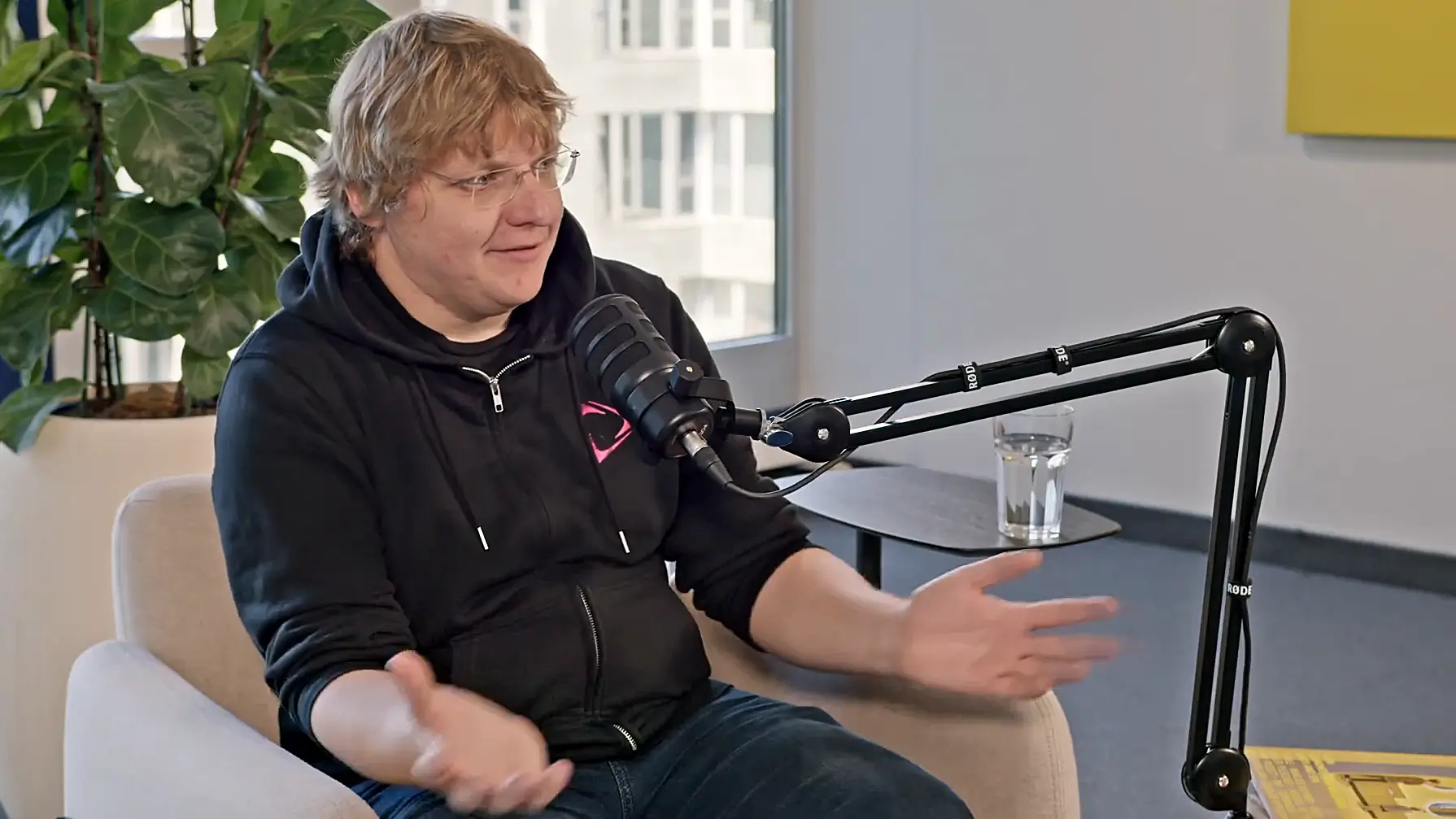
Carolin Handschuh started her online shop missforty germany in 2020, out of a personal crisis and without much starting capital. She talks to Jean-Marc Noël about bold decisions, honest marketing and building a strong community – why she made returns chargeable on purpose and what role TikTok plays in building her brand.
Comment onYouTube (opens in a new window)
Original language: German
In this episode: Jean‑Marc Noël, Carolin Handschuh (missforty.de)
Transcript
# Community of Trust — missforty germany with Carolin Handschuh
Carolin Handschuh: A lot of retailers will say again: do it, you have to do it. But my tip is: if it doesn't pay off, stop it. Don't do something just because everyone else is doing it.
Don't do things just because everybody tells you that you have to. "You have to be on Otto." It simply didn't pay off for us.
Jean-Marc Noël: Community of Trust, the podcast. Today with Carolin Handschuh, CEO of missforty germany.
Today I'm speaking with Carolin Handschuh, founder and CEO of missforty.
You're a very inspiring entrepreneur. I think you founded missforty in 2020.
Carolin Handschuh: That's right.
Jean-Marc Noël: And I've got it here: your online shop is aimed at women in the prime of life — which I can confirm — and, alongside women's fashion, also offers decoration and home accessories.
I'm a little excited about today's episode because I'm really pleased to have you here.
It's about something that is very close to my heart: founding and building an online shop.
You'll take us through the founding story step by step and talk about the challenges you've overcome.
And of course, for everyone listening, the idea is that they may be able to improve their own online shop and perhaps learn from what you've done.
Carolin, thank you very much and welcome to Community of Trust.
Carolin Handschuh: Thank you very much for having me. Thank you for the invitation.
You just said something that fits quite well: the challenges I overcame in the past.
The nice thing is that they don't stop.
And you also said that perhaps other people can copy what I've done.
I can tell you straight away: we live in such turbulent times that I rarely have a master plan in my pocket, because things are constantly changing.
But I'm very happy to be here and I hope I can give a few useful tips.
Jean-Marc Noël: I'm absolutely sure you can.
Let's start with your online shop.
What makes it special? How did you come up with the idea, and how did you manage to build it?
Carolin Handschuh: Maybe I'll start at the beginning.
As you said, I've been doing this since 2020, during the COVID pandemic.
At the time, I was working full-time in field sales. I don't mind naming my former employer: Deutsche Post DHL.
The pandemic changed a lot for me because I was suddenly forced to move completely from field sales to a desk.
And I realised: this is no longer what I want to do.
I'd always dreamed a little about becoming self-employed.
Of course, it isn't that easy to leave that comfort zone.
A lot of people already know this, but I'll say it openly again today: in 2020, I was diagnosed with cervical cancer.
That was a low point for me, but also a major turning point in my life.
I thought: I only have this one life. Put everything on this one card now. Somehow, things will always move forward.
So I actually decided to leave the big yellow corporation.
One Sunday morning I got up and thought: what could the business be called?
Then I thought: I'm 40 now — missforty.
The domain was still available.
I sat down and designed the logo myself that same Sunday.
And missforty germany was born.
Then I thought: I have the domain, I have my logo, now I can start.
So I began with a lot of enthusiasm and energy.
But it was a difficult time.
People often say to me: "Carolin, you make all of this look so easy."
As if I do everything on the side.
Maybe part of the art is making it look that way.
But I can tell you that becoming self-employed is not as easy as it often looks from the outside.
And six years later, it still isn't easy.
Jean-Marc Noël: Completely. I can absolutely confirm that.
I've written before that, from my perspective, it's the most beautiful but also the most frightening thing you can do.
But you made the decision and started with all that energy.
What was the biggest challenge at the very beginning in getting missforty off the ground?
Carolin Handschuh: The biggest challenge was that I had no money.
I had no budget, no advertising budget.
Basically, I only had myself.
And you quickly start comparing yourself with the big players.
That doesn't work at all, of course.
At one point I spent €100 on ads.
After two hours, the money was gone.
And I thought: oh no, my money's gone. What do I do now?
I quickly realised that this wasn't going to work.
At that time, I was only selling third-party brands as well.
So there was complete price comparability.
Then marketplaces such as eBay and Amazon came into the picture.
And I realised there would always be a retailer who was cheaper than me.
I also realised that I couldn't build reach through third-party brands and paid advertising — especially because, again, my biggest problem was that I had no money.
And on top of that: no network and no experience.
Jean-Marc Noël: So basically you didn't have very much.
The perfect conditions for starting a business.
Carolin Handschuh: No. There really wasn't much there.
No money, no experience, no network. Nothing.
Jean-Marc Noël: When you realised those €100 were gone, what was your next thought?
Carolin Handschuh: I asked around among other retailers, and they said: you need to spend €200, €300.
And I said: no, guys, I have to be careful with my money. It's gone immediately.
So more and more I started thinking: what can you do differently?
I couldn't compare myself with the big players.
I couldn't compare myself with retailers who had already been doing this for ten years.
I kept asking myself: what can you do differently?
Then, two or three years later, I had a funny idea.
I made myself a cap with my logo embroidered on it — missforty germany.
Very cheaply.
I had 15 made, so again, not the kinds of quantities other companies were producing.
Then I posted it on Instagram and started getting messages: "Carolin, where can I buy that cap?"
I thought: somebody actually wants to buy the cap?
Then the next question was: how do I do that?
I've produced something — what are the legal requirements in Germany? How can I actually sell this cap?
So I did my research.
And that's how I started selling a few caps.
Again: always small quantities.
And that's one of my main tips: don't compare yourselves with others.
We see other people's success.
Whether everything we're seeing is actually true, we don't know.
I often let myself be blinded by that and thought: okay, I can't keep up with them.
Instead, I had to ask: what can I realistically do?
That's how the brand really started, with that cap on Instagram.
And I realised: okay, this works, and I enjoy it.
Jean-Marc Noël: That's a great tip: focus on your own strengths and differentiate yourself.
You just mentioned Instagram.
Is that now an important channel for building your brand, and how do you use it?
Carolin Handschuh: It's extremely important to me, just like LinkedIn and TikTok.
Jean-Marc Noël: LinkedIn as well?
Carolin Handschuh: LinkedIn is very important. Instagram is important.
And we're currently working on TikTok Shop.
TikTok Shop is coming. It's already in the first implementation steps.
Social media is hugely important for me.
What surprised me was that women suddenly started buying things from me.
Then T-shirts were added, sweatpants, sweatshirts.
Women bought them and sent me photos.
I said: post it, tag me in your story, and I'll repost it.
That's how it kept growing.
And to come back to how I do it: I'm a very spontaneous person.
I do it when I feel like it — and luckily I often feel like it.
I don't write big scripts when I make a video or take a photo.
Sometimes I'm just standing in front of the mirror and saying: "Hi everyone, how are you?"
And that's how it developed little by little.
With Instagram, the more success and reach you have, the bigger the community becomes, and the more fun it is as well.
Jean-Marc Noël: Do you have a particular rhythm?
You say you're spontaneous, but you still have to publish regularly.
Do you do it every week?
Carolin Handschuh: Almost every day.
And recently I've really started looking at TikTok trends.
My tip would be: almost everything that becomes a trend on TikTok eventually becomes a trend on Instagram.
And, surprisingly, it can even become a trend on LinkedIn.
Jean-Marc Noël: That's interesting.
LinkedIn has changed a lot as a social network as well.
Carolin Handschuh: Absolutely.
TikTok is where a lot of things start, and then they spill over.
If you've had a viral TikTok video — which I've managed a few times — it can become a little addictive.
You immediately want that feeling again.
So you do have to be a bit careful with it.
But the trend then goes to Instagram and eventually LinkedIn.
That's why I tell retailers: use TikTok and try TikTok Shop.
I believe in it. Other retailers may disagree.
I also think brands can no longer simply say: "I don't do TikTok. My target group isn't there."
Then I ask: how do you know?
How do you know those people aren't there?
You simply have to try it.
Jean-Marc Noël: That's really interesting, because what stands out about you — and we discussed this beforehand — is that you're authentic.
You're present yourself, you're spontaneous.
And authenticity is an absolute prerequisite for trust.
We also know that if I don't trust a shop, I may not buy from it.
missforty started from nothing. Nobody knew the brand.
How did you build trust with potential customers through all these channels?
Carolin Handschuh: That also came partly from having no budget.
For the first T-shirt, I needed a model.
And I thought: you can do that yourself. Take your iPhone.
Put on the sweatshirt and take the pictures yourself.
At some point I bought myself a ring light for €39.
Even that was something I had to earn first.
Then I started making the content with myself in it.
And I realised that people began identifying with me as a person.
The brand is very closely connected to me and to my face.
Trust is incredibly important because I've realised that this is actually a purchase criterion.
Customers want to know: who am I buying from? Who is behind this?
I haven't reinvented the wheel with my products.
I sell textiles, basics, the missforty germany logo — great products, but I'm not claiming to change the world.
So the person and the authenticity behind the brand matter.
Jean-Marc Noël: Absolutely.
We've also seen many issues around dropshipping.
Consumers would contact us and say: I bought something, and now I need to return it.
Then they discover that the shop isn't actually in Europe at all, but in China.
They had no idea.
So authenticity has become extremely important in a world where it's increasingly difficult to distinguish what is real and what isn't.
But there's another interesting question: what responsibility does the consumer have? What should the consumer actually know?
Carolin Handschuh: Personally, I'd rather customers didn't have to think quite so much about returns, because returns are a major issue for me.
Jean-Marc Noël: Let's talk about that.
What is your experience with returns?
Carolin Handschuh: In fashion, it's insane.
We were on Otto for a long time, and I ended it because returns destroyed the economics for us.
And again, many retailers will say: "You have to do it. You have to be on Otto."
My tip is: if it doesn't pay off, stop it.
Don't do something because everyone else does it.
That's also part of the core message of my shop and my label.
Don't do things just because everyone says you have to.
"Be on Otto."
It didn't work financially for us. It was as simple as that.
The returns ruined it.
And for about a year now, we've also introduced paid returns in our own shop.
Colleagues told me not to do that either.
Jean-Marc Noël: What has your experience been?
Carolin Handschuh: There was one point — I also told this story to TextilWirtschaft — when one customer ordered ten leather jackets in size 36.
The retail value was around €2,000.
All ten jackets came back.
You have to imagine the process.
They are unpacked in the warehouse.
The carton is disposed of.
The paperwork goes back into accounting.
The entire administrative effort is huge.
Then there is the environmental impact of sending parcels back and forth.
And some of the merchandise is no longer in fully saleable condition.
We receive plenty of returns where items have clearly been worn.
Consumers in Germany can be somewhat insensitive to that topic.
I'll put it politely.
So we made returns chargeable.
That did lead to fewer orders.
But we also have hardly any returns now.
Jean-Marc Noël: And perhaps the orders you still receive are more valuable because the customers are more committed.
I assume your return rate has fallen significantly.
Carolin Handschuh: Absolutely.
And I still have the option in our system to send a customer a free return label at any time.
Sometimes someone calls and they're lovely, friendly customers, and you just say: come on, I'll send you the label.
And then you notice that the customer thinks: "Oh, that's great, I got a free label from her."
So the customer has received something as a gesture.
Jean-Marc Noël: Returns could probably be a podcast episode of their own.
Even large fashion retailers are now starting to charge €1.99 or €2.99 to make customers more aware that returns cost money.
Of course, customers value the flexibility to order.
But as you've rightly said, there are many costs connected with that flexibility.
And we also live in a world where we need to take care of the environment.
Carolin Handschuh: Exactly.
Jean-Marc Noël: So one of your principles is: stay true to yourself and do what actually makes commercial sense.
Carolin Handschuh: Yes.
As a founder, you start out somewhat naively and want to do everything.
Jean-Marc Noël: Which is probably good. Otherwise you might never start.
Carolin Handschuh: Exactly.
You make mistakes.
But once you can see the financial reality and something simply doesn't make sense, stop it.
Even if other retailers say: you have to be on Otto.
If I'm losing money every month, what's the point?
Jean-Marc Noël: You just mentioned mistakes.
Looking back, what would you do differently?
Carolin Handschuh: Trust is obviously one of your key words.
For my first missforty germany collection, I had production in Turkey.
I paid a deposit.
After that, the supplier went bankrupt.
It was a large supplier producing for major German brands.
I'd been there personally.
I'd looked at everything.
And that's the thing with trust: you can check and check and check.
The money was still gone.
In my situation, that was very hard.
Everything is self-financed.
It really hurt.
What I learned was: be very careful when money and major decisions are involved.
Don't believe everything immediately.
Let people deliver something first.
Even today, people tell me all kinds of things, and I think: deliver something to me first. Show me what you can do.
Do something for me, and then perhaps we can work together.
I have many agencies that want to sell me things.
I have suppliers that want to produce for me.
And I say: do something first. Let me see it.
That's something I'd recommend to every founder.
Don't commit immediately.
Of course, the enthusiasm at the beginning is important and good.
But a little caution protects you from disappointment.
Jean-Marc Noël: That's exactly the mixture.
You need the enthusiasm and the energy.
And sometimes it's also good not to know everything.
You need a certain amount of naivety to go after your dream.
You did that, and it's a great achievement.
When you look at other online shops, do you see things where you think: they could do that better?
Or the other way round: things where you say, that's really good and I've learned from it?
Carolin Handschuh: I don't really see it as my role to judge other companies and say they're doing things badly.
I assume they're doing their best as well.
I do look at other shops to get ideas.
But one thing I strongly recommend is looking beyond your own industry.
Don't only look at fashion.
I like looking at completely different online shops.
I'll say it openly here: changing our shop system is something I find fundamentally interesting.
But that naturally involves investment and a lot of work.
There are constantly new functions — 3D animations, video content, all kinds of things.
Some shops are extremely well done.
It's definitely something I look at.
Not this year, but I'm always keeping an eye on it.
At the same time, the question is always: are they actually making more money because of it?
We don't know.
It can look fantastic, but I don't know whether it really generates more profit.
I believe you ultimately make money with something other people don't have.
So simply copying things because someone else's shop looks great isn't necessarily the answer.
Of course, I'll still look at a checkout and think: wow, that's a good feature.
But you have to try things within your own possibilities and decide quickly: does this work, or doesn't it?
Jean-Marc Noël: Speaking of making money: you use TikTok, Instagram and so on.
What is your marketing mix?
If someone is in fashion or home decoration, what would you recommend today?
Carolin Handschuh: I wouldn't limit it to the product category or the assortment.
Something that has developed for me, especially through LinkedIn, is cooperation with large companies that have absolutely nothing to do with fashion.
For example, I had a cooperation with Lufthansa Holidays.
If someone buys a holiday, they can also buy a missforty germany sweatshirt.
Then they're well dressed for the flight.
That was great for me.
Jean-Marc Noël: You're selling a feeling.
Carolin Handschuh: Exactly. I sell the feeling.
Another example came when we were on holiday at Lake Tegernsee.
I thought: whenever I'm on holiday, I always buy something.
Always.
I already have so many clothes, but it's the feeling: I'm on holiday, I want to take something home with me.
So we managed to get into the hotel shop at Bachmair Weissach at Tegernsee, and we sell our collection there as well.
My advice isn't only to ask: what's the next marketing tool?
Ask: where does the customer buy?
Create lots of touchpoints.
B2B cooperation is extremely exciting for me.
Jean-Marc Noël: You're also part of our Community of Trust, and that's something we'll talk about more, perhaps in another episode.
Carolin Handschuh: Gladly.
For me, B2B cooperation around things like travel and holidays is very motivating.
When you're in one hotel shop, other retailers ask: how did you manage to get in there?
And my answer is very simple: I picked up the phone and asked.
Jean-Marc Noël: You just called.
Carolin Handschuh: Exactly.
Don't make it so complicated.
You don't always need the next marketing tool.
Pick up the phone.
Business is still done between people.
You talk about it and say: what would it look like if I sold ten sweatshirts in your shop?
That's how it works for me.
B2B cooperation is incredibly important.
Why shouldn't we make each other bigger together?
Of course, Lufthansa Holidays was slightly bigger than me.
Jean-Marc Noël: Just a little.
Carolin Handschuh: Just a little.
But that's okay.
Jean-Marc Noël: We've also spoken about customers.
You have to understand the target group very closely.
And when it comes to trust, reviews play a major role.
What's your relationship with reviews?
Carolin Handschuh: I use your tool, of course.
And I know that reviews are extremely important.
People read them.
On my website, you can see what customer X wrote.
But I also know that, as a retailer, I need to do much more to ask for positive reviews.
Because here's what I see: people who have something to complain about write quickly.
The satisfied customers often say nothing.
I just see: oh, they've ordered again.
And it continues that way.
There's another side to reviews as well.
People are sometimes very demanding.
Things such as a DHL strike are simply ignored.
I can't do anything about it if a parcel takes five days.
Some customers — and I don't want to generalise — don't read their emails.
The parcel is waiting in a Packstation and isn't collected.
Then a review is posted saying: "The parcel never reached me. This is unacceptable."
People have become used to big players such as Amazon: everything immediately, free shipping, free returns.
It has become an expectation.
Jean-Marc Noël: Absolutely.
At the same time, many consumers are able to distinguish between those situations.
And this is one of the challenges for retailers: you have an enormous number of different things to manage.
But from our experience, consumers often look at the negative reviews first.
And a negative review, such as the DHL case you just mentioned, is also a great opportunity to reply and explain what happened.
That would be my tip.
Carolin Handschuh: You can give me that tip today.
Jean-Marc Noël: It genuinely works.
We've seen it many times.
People read the response and think: okay, now I understand what happened.
Then they can put the review into context.
Carolin Handschuh: You're right.
I think retailers should use the review system much more as a communication tool.
You just said: respond to negative reviews.
But you can also respond to positive reviews.
Why not write: "Thank you very much, I'm really happy about your feedback."
That's something I'll take away from today.
As a retailer, I also have a responsibility to reinforce the positive.
Jean-Marc Noël: Absolutely.
What you're describing is basically best practice.
Of course, it also takes time.
You need to sit down and write a proper answer.
And it shouldn't be a canned response, otherwise it looks like a robot and the authenticity disappears.
Carolin Handschuh: I know.
That's definitely today's message for me. I'll do that.
Jean-Marc Noël: We've talked about a lot of tips.
Let's try to summarise a little.
Are there any tools, resources, books or anything else that helped you on your way?
Perhaps there's a "Carolin Handschuh method".
Carolin Handschuh: People often ask me whether I have role models or people who inspired me.
And I always say no.
Comparing yourself with others can be harmful.
You can't simply copy someone else's path.
It's also important for me to say that I don't have a master plan.
There is no manual for becoming the CEO of a fashion label.
There isn't one marketing tool that suddenly changes everything.
What I've learned is: try to do something differently from everyone else.
Again, we were in a luxury hotel at Lake Tegernsee and I simply picked up the phone.
All I needed was my phone and the idea.
I dialled the number.
And if they say no, then my old salesperson mentality comes through: the customer hasn't bought yet anyway.
So just try it.
What's the worst that can happen?
They say no, and then that's fine.
Free yourself from people who promise you too much.
Let other people deliver something first.
And stay yourself.
When it comes to social media, don't do anything that makes you uncomfortable.
I know many people who say: "Caro, that's not me. I don't want to do that."
Then I say: don't do it.
Find another way.
There definitely is one.
I also have two children, almost 18 and almost 21.
I really value what they tell me.
They're far outside my bubble, but they're very well informed about social media.
Of course, they quickly say: "Mum, embarrassing."
But then I think: okay, how does Snapchat work?
I tried it and realised it wasn't for me, so I stopped.
With TikTok trends, my daughter will dance and I'll say: okay, show Mum what you're doing.
Then I look at the views.
So be open to ideas from your children, or even from your parents.
Just stay open to new ideas.
Jean-Marc Noël: Carolin, those are really excellent tips.
Where can our listeners learn more about you?
Is there a Carolin Handschuh website, for example?
Carolin Handschuh: There actually is.
Was that a spontaneous question or did you research it?
Jean-Marc Noël: Completely spontaneous.
Carolin Handschuh: Over the last year, a few new areas have opened up for me.
For example, I'm now invited as a speaker and as a business influencer for eBay.
I'm happy to say that here.
There is carolinhandschuh.de.
It's not a huge elaborate website, but there are some photos and videos there.
And I'm always happy to hear about business collaborations and speaker enquiries.
Jean-Marc Noël: Fantastic.
That's it for this episode of Community of Trust.
Thank you so much for bringing all this energy.
You're full of ideas, and I think that really characterises you as a founder.
I hope everyone listening has taken away practical tips they can apply directly to their own online shop.
If you enjoyed the episode, please subscribe to the podcast and leave us a review.
Carolin Handschuh: Definitely.
Jean-Marc Noël: Of course, a review.
That helps us reach more online retailers and share more insights and useful resources.
You'll also find those resources at TrustedShops.com.
And, of course, become part of our community.
Thank you for listening. See you in the next episode, and good luck with your online business.
Carolin, thank you very much for joining us on Community of Trust today.
Carolin Handschuh: Thank you for the invitation. It was lovely.
I really enjoyed it.
Jean-Marc Noël: Me too. Thank you very much.
Community of Trust. Subscribe wherever you get your podcasts.
Share this episode
Get in touch with our team

Because you listened to »Screw the manual: why zero‑budget success demands your own unconventional path.«
 Market realities: navigating regional differences and subscriptions.12/01/2026. “There are moments when you feel like giving up – and that's often when it becomes clear whether a business will truly grow.” Jean-Marc Noël talks to Marius Rossel, founder and CEO of the Spanish e‑commerce agency TRILOGI, about 25 years of entrepreneurship, technological change and why trust is a decisive success factor in the Spanish market.Market realities: navigating regional differences and subscriptions.
 A large number of reviews is a major factor for AI.22/09/2026. E‑commerce is changing fast: customers expect good products, fair prices and a smooth experience, while AI and agentic commerce change how people discover and buy products. Bastian Kolmsee, COO of Trusted Shops, talks to David Rissmann, Head of Strategy and Chief of Staff at Flaconi, about the beauty retailer's path from start-up to international e‑commerce company.A large number of reviews is a major factor for AI.
 Customer feedback is our main learning source.25/08/2026. 10,000 reviews, AI and a new course in e‑commerce: from fashion brand with physical stores to modern omnichannel retailer, More & More has gone through a full digital transformation. Jean-Marc Noël, CEO and founder of Trusted Shops, talks to Thomas Forstpointner, Head of E‑Commerce at More & More, about the challenges along the way and how trust works digitally.Customer feedback is our main learning source.

 Hard lessons in logistics, drop-shipping and agency red flags.28/05/2026. Made to measure, down to the centimetre: what DIY stores can't do, Grimberg GmbH turned into a business model. Maurice Grimberg and his sister Leonie run the family company from Sievern, started by their father in 2004 in a hallway, as a modern e‑commerce business with more than 130,000 customers in Germany and the Benelux. How do you notice that an agency doesn't really understand your product – and when do you act on it?Hard lessons in logistics, drop-shipping and agency red flags.
 Differentiating the indifferent for a 20% conversion uplift.14/04/2026. Electricity and gas are invisible products. That's exactly why trust at E wie Einfach is not a phrase but a conversion strategy. Roman Philippi tells Jean-Marc Noël how the Cologne-based E.ON subsidiary brings innovation, customer focus and measurable trust signals together in a highly regulated market – and what difference a trustmark really makes at checkout.Differentiating the indifferent for a 20% conversion uplift.
 Trust rocks the cradle: crowdfunding and D2C from scratch.11/03/2026. Starting from zero with a completely unknown product, you need one thing above all: trust. Hendrik Mahncke, founder of Rock My Sleep, knew that from the start. He tells Jean-Marc Noël how a crowdfunding campaign and an idea on a sheet of paper became a serious e‑commerce business, and how an unknown brand earns the trust of parents.Trust rocks the cradle: crowdfunding and D2C from scratch.
 From negative reviews to pure anticipation: rewriting the customer experience through feedback.03/11/2025. How do you build trust in a market where products need explaining – and scale internationally with it? Kevin Föllmer, Head of Sales at DF Automotive, describes the journey from the first unique selling point (“Which part fits my car?”) to a buying experience that systematically removes uncertainty.From negative reviews to pure anticipation: rewriting the customer experience through feedback.
 A shop for a beloved brand has to carry its DNA.18/09/2025. Iconic football pictures turned into a complete shop: the 11FREUNDE shop sells wall art, retro jerseys, accessories, books – and tickets. Shop manager Mattias Benesch explains to Jean-Marc Noël why trust in e‑commerce is more than a nice-to-have, and how to sell high-priced products online to a community that is critical of consumerism.A shop for a beloved brand has to carry its DNA.
 Meraki in e‑commerce: how radically authentic storytelling beats a falsified market.24/07/2025. It all started with a few bottles of olive oil and a dream: as a student, Floris Reurts brought fresh olive oil from Crete to the Netherlands – and soon realised he was onto something bigger. Today Gkazas.com is a growing online brand. Floris tells Jean-Marc Noël how he built it by focusing on origin, transparency and trust.Meraki in e‑commerce: how radically authentic storytelling beats a falsified market.
 Your customers are already telling you how to grow – listen to them.28/04/2025. How do you build real trust in the digital age? Beate Rank, CEO and co-founder of Fred & Felia, shares her personal motivation, product development and clever community building. Fred & Felia relies on quality, transparency and genuine customer reviews – and turns dog owners into loyal fans.Your customers are already telling you how to grow – listen to them.
 Be the exact fit when it matters: how precision products win through precise UX.03/04/2025. Custom-made sheet metal, an online configurator and more than 10,000 orders a year: Kantfuchs24 shows how a seemingly simple product can change B2B e‑commerce. The real success factor? Trust. Frank Schulz, COO and co-founder, tells Jean-Marc Noël how speed, precision and customer focus made the company a pioneer.Be the exact fit when it matters: how precision products win through precise UX.
More from #trstd casts
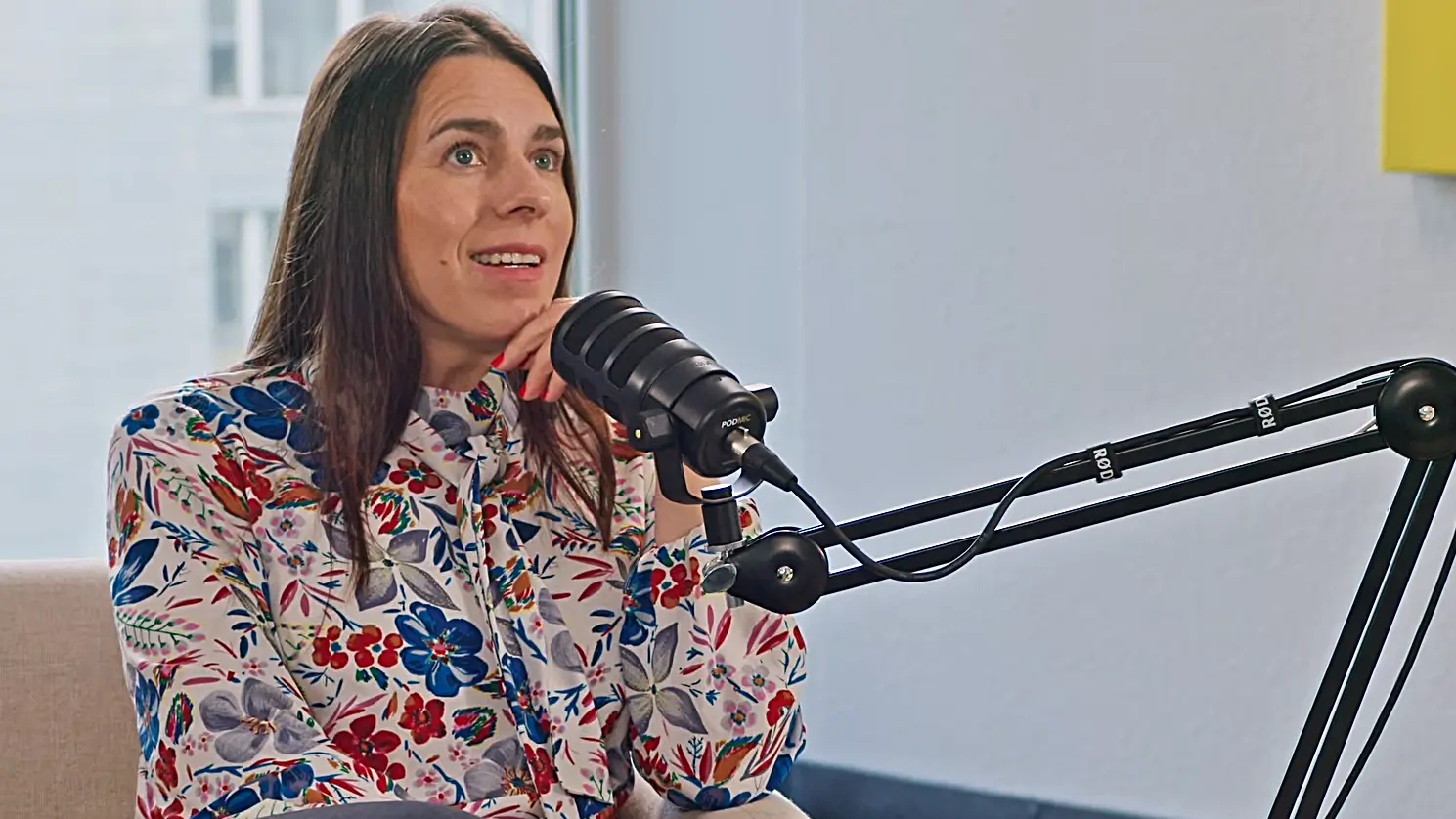
 We require transparent AI. Trust cannot be built without transparency.29/09/2026. Artificial intelligence has long been more than hype – and yet agentic AI is far from reality everywhere. In conversation with Sabrina Engling, Valentina Kerst of the German AI Association (KI Bundesverband) explains where companies stand today, which topics are underestimated and why good data foundations are decisive for the next stage. Kerst sees the biggest gap in data governance: companies need to know which data they have, where it lives, who may access it and how it is structured. Only a reliable data foundation makes it possible to use AI agents meaningfully.We require transparent AI. Trust cannot be built without transparency.
- A large number of reviews is a major factor for AI.22/09/2026. E‑commerce is changing fast: customers expect good products, fair prices and a smooth experience, while AI and agentic commerce change how people discover and buy products. Bastian Kolmsee, COO of Trusted Shops, talks to David Rissmann, Head of Strategy and Chief of Staff at Flaconi, about the beauty retailer's path from start-up to international e‑commerce company.A large number of reviews is a major factor for AI.
- Customer feedback is our main learning source.25/08/2026. 10,000 reviews, AI and a new course in e‑commerce: from fashion brand with physical stores to modern omnichannel retailer, More & More has gone through a full digital transformation. Jean-Marc Noël, CEO and founder of Trusted Shops, talks to Thomas Forstpointner, Head of E‑Commerce at More & More, about the challenges along the way and how trust works digitally.Customer feedback is our main learning source.
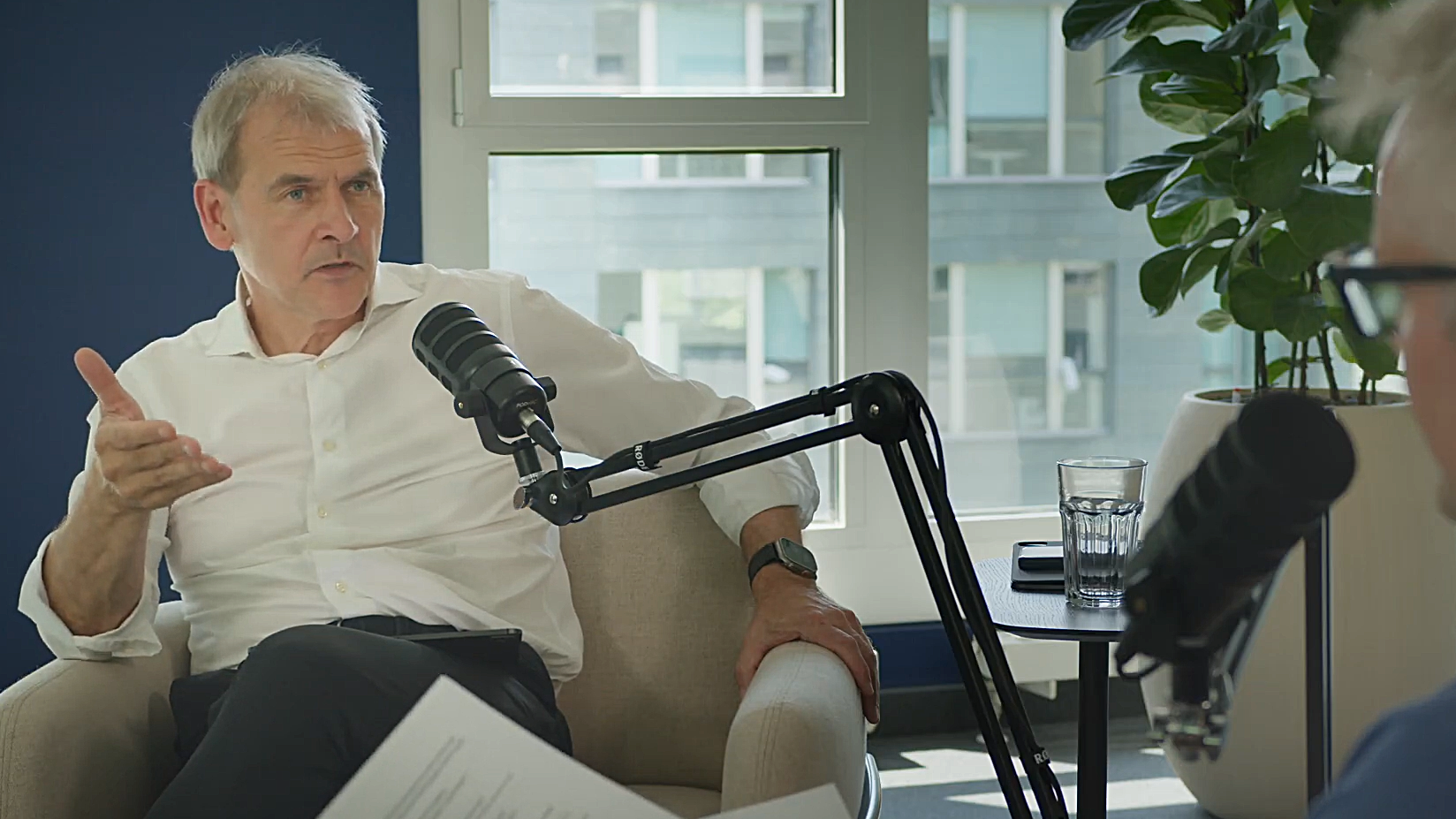
 Unfortunately, those who play by the rules are the ones who lose out.13/08/2026. Fake shops and manipulated reviews harm not only consumers but the whole of online retail. Dr. Carsten Föhlisch talks to Stephan Tromp, Deputy Managing Director of the German Retail Federation (HDE), about the growing threat of online fraud and why trust has become the most important currency in e‑commerce.Unfortunately, those who play by the rules are the ones who lose out.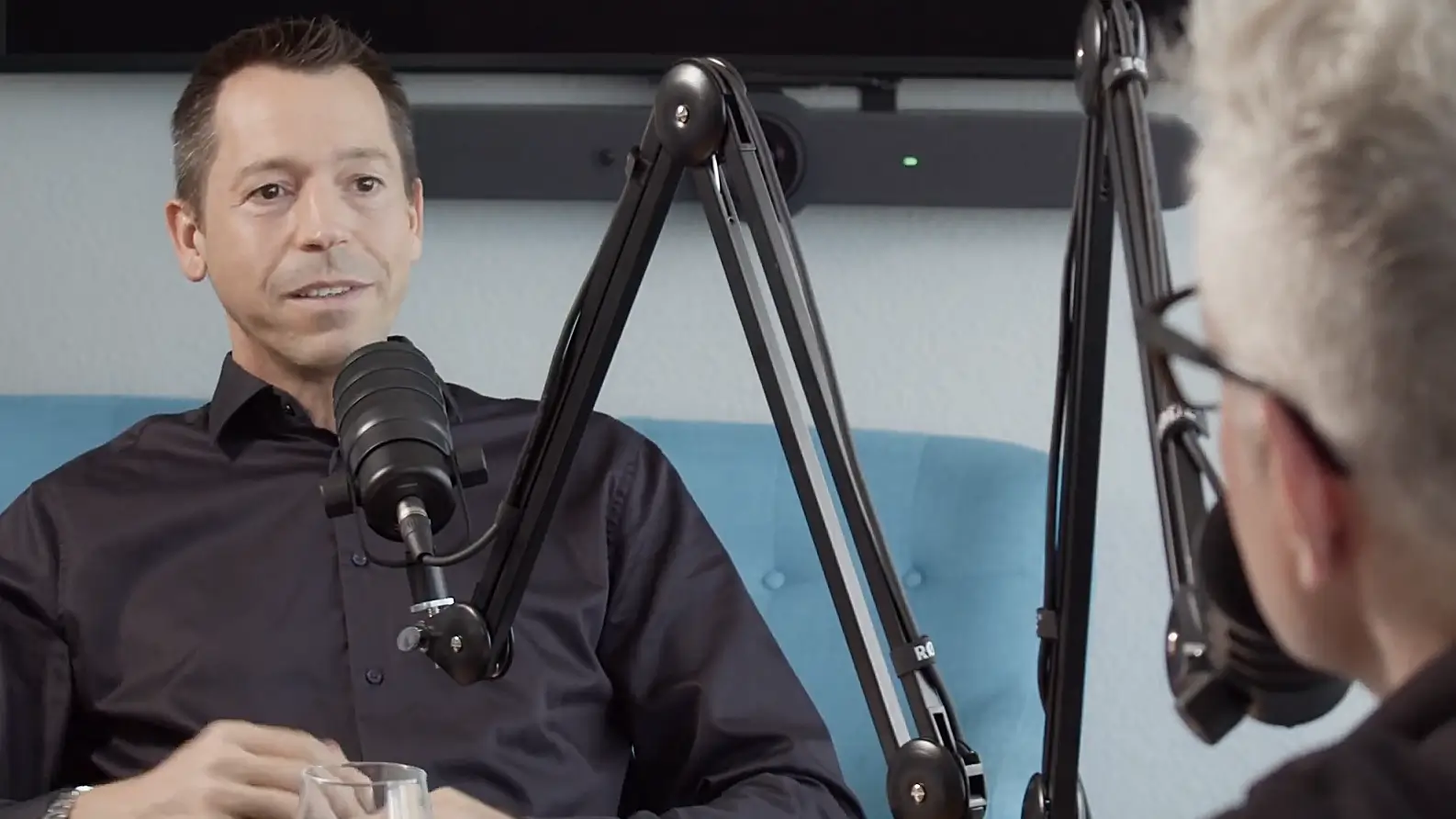
 When emotions play a role, rationality goes out the window.28/07/2026. Why do we often trust a website within seconds? And why is a professional design often enough to switch off our critical thinking? Dr. Carsten Föhlisch talks to Michael Rasimus, head of the eye-tracking lab at DHBW Karlsruhe, about the psychology behind fake shops and online fraud, and what eye tracking reveals about where people really look.When emotions play a role, rationality goes out the window.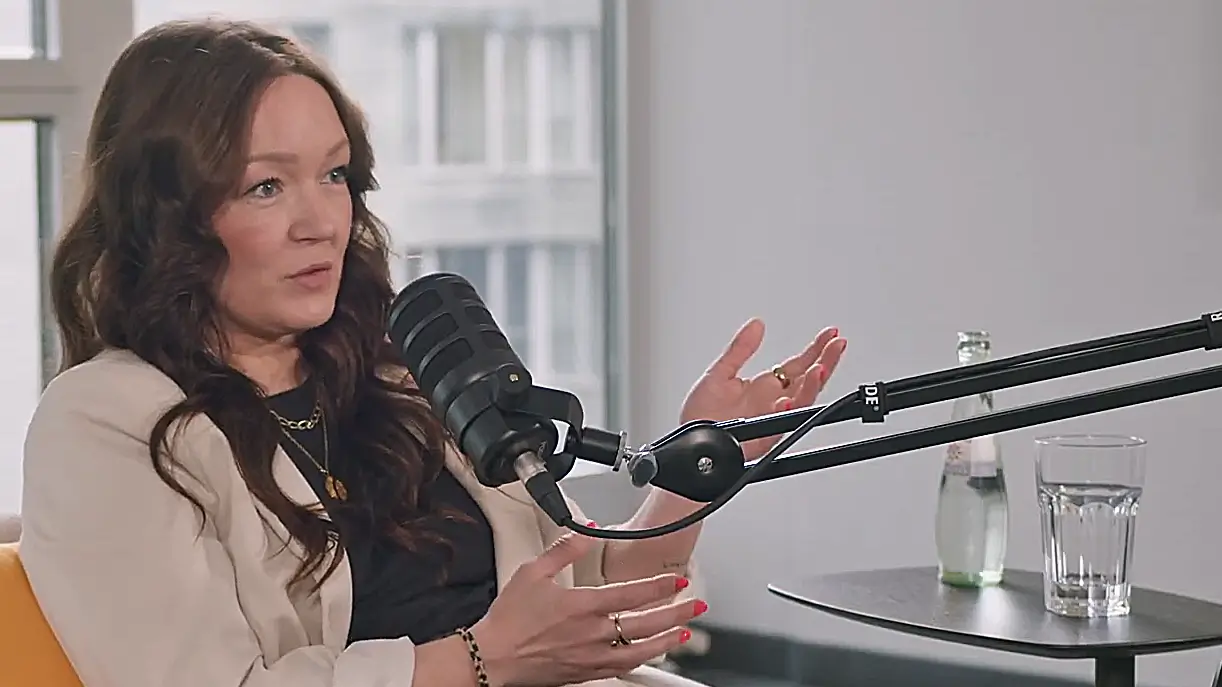
 Fake shops with AI: highly professional, fast-rising fraud.29/05/2026. Fake shops can hardly be told apart from real ones any more – AI makes it possible, and the numbers show online fraud is rising sharply. Dr. Carsten Föhlisch talks to Isabelle Rosière, Managing Director of Deutschland sicher im Netz e.V. (DsiN), about the rapid professionalisation of online fraud and what it means for consumers.Fake shops with AI: highly professional, fast-rising fraud.
- Hard lessons in logistics, drop-shipping and agency red flags.28/05/2026. Made to measure, down to the centimetre: what DIY stores can't do, Grimberg GmbH turned into a business model. Maurice Grimberg and his sister Leonie run the family company from Sievern, started by their father in 2004 in a hallway, as a modern e‑commerce business with more than 130,000 customers in Germany and the Benelux. How do you notice that an agency doesn't really understand your product – and when do you act on it?Hard lessons in logistics, drop-shipping and agency red flags.
 76,000 fake shops uncovered: the industrial scale of global e‑commerce fraud.18/05/2026. When Matthias Marx started investigating open data leaks on the internet, he came across something he couldn't place at first: thousands of professionally designed web shops on the same technical base, with hidden code to skim credit card data. What followed was the discovery of BogusBazaar, a criminal network of more than 76,000 fake shops, run like a real company from China.76,000 fake shops uncovered: the industrial scale of global e‑commerce fraud.
- Differentiating the indifferent for a 20% conversion uplift.14/04/2026. Electricity and gas are invisible products. That's exactly why trust at E wie Einfach is not a phrase but a conversion strategy. Roman Philippi tells Jean-Marc Noël how the Cologne-based E.ON subsidiary brings innovation, customer focus and measurable trust signals together in a highly regulated market – and what difference a trustmark really makes at checkout.Differentiating the indifferent for a 20% conversion uplift.
- Trust rocks the cradle: crowdfunding and D2C from scratch.11/03/2026. Starting from zero with a completely unknown product, you need one thing above all: trust. Hendrik Mahncke, founder of Rock My Sleep, knew that from the start. He tells Jean-Marc Noël how a crowdfunding campaign and an idea on a sheet of paper became a serious e‑commerce business, and how an unknown brand earns the trust of parents.Trust rocks the cradle: crowdfunding and D2C from scratch.
- Market realities: navigating regional differences and subscriptions.12/01/2026. “There are moments when you feel like giving up – and that's often when it becomes clear whether a business will truly grow.” Jean-Marc Noël talks to Marius Rossel, founder and CEO of the Spanish e‑commerce agency TRILOGI, about 25 years of entrepreneurship, technological change and why trust is a decisive success factor in the Spanish market.Market realities: navigating regional differences and subscriptions.
- From negative reviews to pure anticipation: rewriting the customer experience through feedback.03/11/2025. How do you build trust in a market where products need explaining – and scale internationally with it? Kevin Föllmer, Head of Sales at DF Automotive, describes the journey from the first unique selling point (“Which part fits my car?”) to a buying experience that systematically removes uncertainty.From negative reviews to pure anticipation: rewriting the customer experience through feedback.