Customer feedback is our main learning source.
25/08/202632:22ReputationE‑commerce

The audio player is provided by Letscast, which sets cookies.
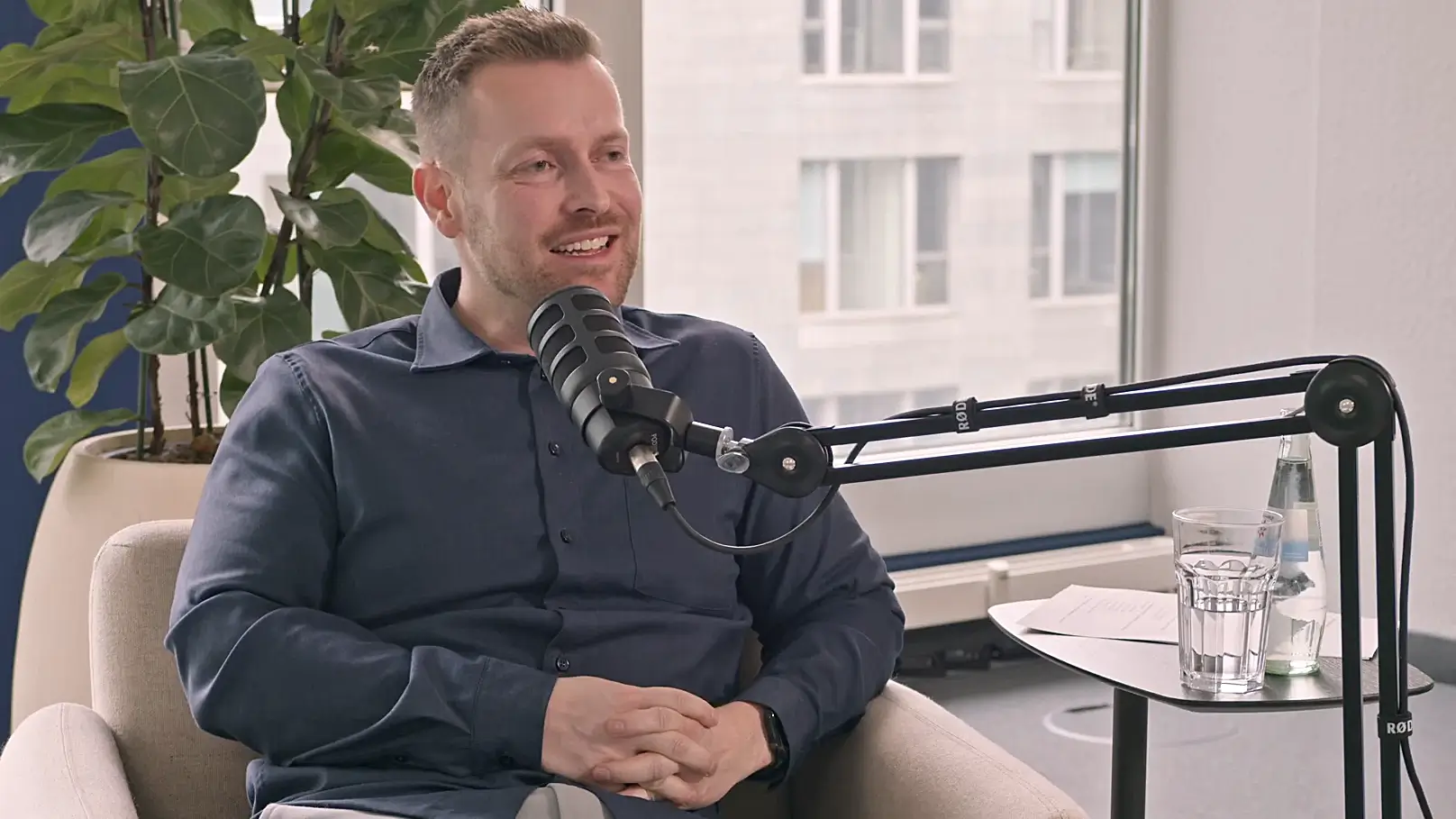
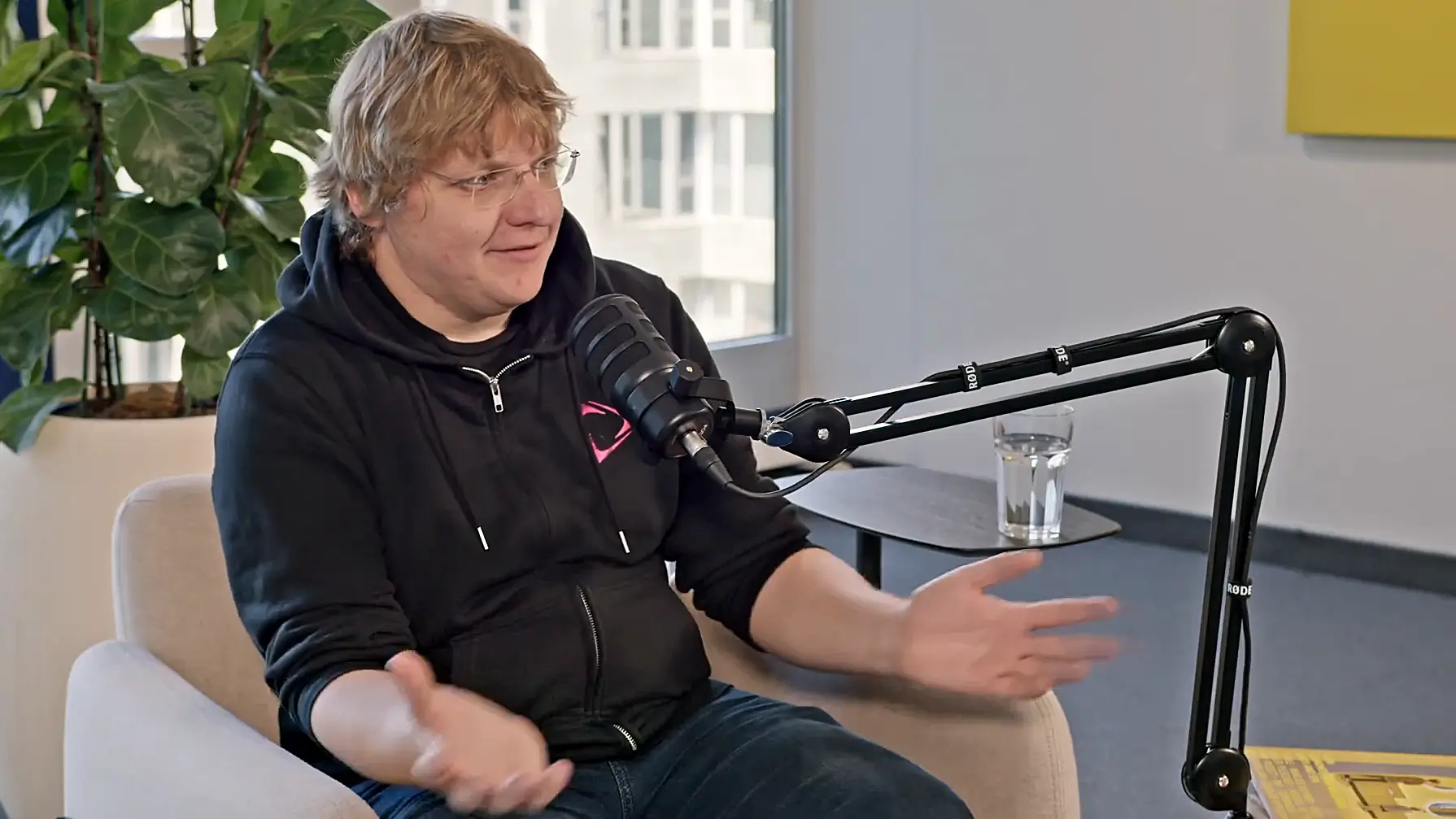
10,000 reviews, AI and a new course in e‑commerce: from fashion brand with physical stores to modern omnichannel retailer, More & More has gone through a full digital transformation. Jean-Marc Noël, CEO and founder of Trusted Shops, talks to Thomas Forstpointner, Head of E‑Commerce at More & More, about the challenges along the way and how trust works digitally.
Comment onYouTube (opens in a new window)
Original language: German
In this episode: Jean‑Marc Noël, Thomas Forstpointner (More & More)
Transcript
# Community of Trust — More & More with Thomas Forstpointner
Thomas Forstpointner: I think we still need to learn much more from customer reviews. You can learn a lot about product quality from reviews, and I think we need to use and analyse them much more systematically so that the individual learnings can then be fed back into the relevant specialist departments.
Jean-Marc Noël: Yes, we also consider that extremely important. This kind of qualified feedback from customers on the basis of the product is enormously important, particularly when it comes to reducing returns. I'm genuinely convinced that you can avoid returns that way. You may have a size advisor that works, but if you can also analyse customer opinions and reflect them back, the level of trust is probably even higher.
Jean-Marc Noël: Welcome to a new episode of Community of Trust. I'm Jean-Marc Noël, CEO and founder of Trusted Shops, and today I'm talking to Thomas Forstpointner. Thomas is Head of E‑Commerce at More & More.
More & More is a fashion company founded in 1982, and I'm particularly pleased about today's conversation because we have a lot of topics to discuss. Welcome to the podcast, Thomas.
Thomas Forstpointner: Thank you very much for the invitation. I'm very happy to be here with you today.
Jean-Marc Noël: Great. You can already hear a bit of an accent. You've travelled quite a long way. Where are you based? Where did you come from today?
Thomas Forstpointner: More & More is headquartered in Starnberg, about 30 kilometres south of Munich, and I'm actually lucky enough to be able to cycle to the office.
Jean-Marc Noël: Just like me — except today, because it's really very hot here in Cologne and I didn't want to sit in front of my guest completely drenched in sweat. I hope everything is fine from an olfactory perspective.
Thomas Forstpointner: Everything is perfectly fine here.
Jean-Marc Noël: Excellent. So tell us a little about More & More. What makes the company special? What do you do, and how long have you been around, so that we can put everything into context?
Thomas Forstpointner: More & More is, as you already mentioned, a women's fashion manufacturer founded in Munich in 1982.
We have a three-channel sales strategy. We primarily sell wholesale — that's how More & More originally started — we operate our own stores, and since 2000 we've also had a strong e‑commerce business.
Jean-Marc Noël: You mentioned the stores. How many do you have, and where are you represented?
Thomas Forstpointner: We have around 40 stores across Germany, including the outlets, and by now around 15 stores in Austria. So altogether, we're at roughly 60 locations where we sell directly to consumers.
Jean-Marc Noël: And you also mentioned wholesale almost in passing. Tell us a bit about the model. How does More & More distribute its products? In our conversation beforehand, I also heard that you have a pretty high throughput when it comes to women's fashion collections. Tell us a little about that.
Thomas Forstpointner: More & More is a little different from some other brands. We launch twelve monthly collections per year. So we have the right clothing for every season.
On the wholesale side, we supply around 950 retailers in 16 countries. The direct-to-consumer business is focused mainly on Germany and Austria, while our online shop of course delivers across the EU.
Jean-Marc Noël: So, founded in 1982, around 60 stores — and then you experienced the whole Covid period. That must have been a major challenge. How did the company respond? I assume e‑commerce also received a major boost. What happened?
Thomas Forstpointner: Absolutely. The stores were closed. That was a difficult phase for More & More because the costs were still there and the fixed costs kept running. At the same time, online retail really took off, and from that point onwards we saw very strong growth in e‑commerce.
At the time, More & More had a strong partner that handled the entire e‑commerce business for us, while the internal team was very small.
Jean-Marc Noël: How small was the team?
Thomas Forstpointner: Two or three people. Very manageable.
Jean-Marc Noël: So essentially a full-service outsourcing model that More & More was operating at the time.
Thomas Forstpointner: Exactly.
Jean-Marc Noël: I understand. So that gave you the initial momentum to really develop e‑commerce. What does it look like today? What did you change?
You're a very successful Trusted Shops member. We'll talk about that later as well, but I saw that you've already collected more than 10,000 reviews. That clearly points to a certain level of growth. So what did you do, and what did you get right?
Thomas Forstpointner: We saw that the e‑commerce growth continued after Covid. That was a very exciting phase for us.
But we also saw that full-service outsourcing eventually reaches its limits, or rather that we wanted to regain more control internally.
Jean-Marc Noël: Explain that a little more, because that's interesting. I think some of the people listening may be in a similar situation. When you say you reached the limits, what exactly were those limits? How did you recognise them?
Thomas Forstpointner: It's quite simple. Once you reach a certain level of growth, you need economies of scale, otherwise you stop being profitable.
That becomes difficult when you don't have direct control and you're operating a relatively rigid system.
That said, we were very successful with the service provider over the years. But we decided to bring more work back in-house, while of course still working with partners, because the implementation team and the internal resources simply weren't there in full.
Today, however, we have a much more modular system in which individual components can be replaced very flexibly so that we can respond better to market requirements.
Jean-Marc Noël: So you had an outsourced system and then said: okay, we're bringing this back in-house. That means rebuilding everything from the ground up.
Thomas Forstpointner: Yes, actually everything.
Jean-Marc Noël: Tell us a bit about that period. How did you do it? How long did it take, and how did you approach the whole thing?
Thomas Forstpointner: We started the tender process in 2024.
For me, it was clear that we needed a new online-shop system. It was also clear that we needed to change the entire order structure, and we ultimately decided to replace the complete system.
We developed a new online shop, introduced a new backend system, and also replaced the order-management system.
Jean-Marc Noël: Which systems are you using today?
Thomas Forstpointner: For order management, we're working with ACL Advanced Commerce Labs in Austria. They're part of Austrian Post. They're very flexible and highly individualised because it isn't a rigid standard system. They currently handle that for us, as well as customer service and accounts receivable.
Jean-Marc Noël: And what is the shop system based on?
Thomas Forstpointner: Shopware 6.
Jean-Marc Noël: Shopware 6. Got it. And do you run that together with an agency or development partner? How have you organised it?
Thomas Forstpointner: Yes. We work with an agency that manages the headless frontend and Shopware.
At the moment, it's a bit of a wave pattern. You always have a project phase when you're implementing something, and then there is a certain level of ongoing maintenance in the background.
We managed the entire relaunch in just under eight months and went live.
Jean-Marc Noël: Eight months — that's really tight. Extremely tight.
Thomas Forstpointner: I would definitely give myself a little more time next time, because it was very challenging for the teams. We went live in July last year.
Jean-Marc Noël: Tell us a little about that. Anyone who has done something like this before can probably relate to how stressful it is. How did you approach it? What worked well, and what didn't?
Thomas Forstpointner: I had actually assumed that in today's agile project environment, when working with agencies, it would be easier if you didn't prescribe too much upfront.
But the challenge was essentially this: take the existing system and its existing functionality and move all of it onto a completely new infrastructure.
And I think the briefing for the agencies has to be much more detailed in that kind of situation, because there often isn't enough understanding of the processes — how the end customer uses a system and how a system that has grown over many years actually works.
Thomas Forstpointner: Looking back, we probably briefed the agency too little and perhaps managed them a bit too loosely in the end — maybe a little too laissez-faire. We weren't entirely happy with the result we ended up with.
Jean-Marc Noël: So how did you get things back on track? What did you do?
Thomas Forstpointner: We actually changed the frontend agency after the launch and then went through the system module by module to rework it.
And I'll be honest: during that period, we lost some long-standing customers because certain things simply weren't working optimally.
For us, the real challenge then was to rebuild trust. And that's where, towards the end of 2025, Trusted Shops came into play.
Jean-Marc Noël: As I mentioned earlier, you've already collected a substantial number of reviews. What was especially important to you at that point when it came to rebuilding trust? And why Trusted Shops?
Thomas Forstpointner: Trusted Shops actually approached us through cold outreach.
I had known Trusted Shops for a long time from different projects I'd worked on. For us, the approach was simply the most convenient and the easiest to integrate.
And to be completely honest, it was also a trust issue for me. Because I already knew Trusted Shops, I trusted that it would work.
Jean-Marc Noël: And rightly so, I have to say.
Thomas Forstpointner: Unfortunately, I didn't make a bet with the key account manager at the time.
I asked: "What kind of results do you normally see?" We launched on 19 January, and she said: "If you get to around 1,000 reviews by the end of February, that's already excellent."
I said: "We'll be well above that. Do you want to bet?" She said no, she doesn't bet.
We ended up with more than 3,000 reviews in that period. I should have insisted on the bet.
Jean-Marc Noël: That would have been nice.
And trust obviously plays an especially important role in the world we're experiencing now, because everything around us is changing again very rapidly.
We also talked before the recording about what AI means to you in this development. How do you see its role in the evolution of e‑commerce? Can you tell us a bit about how you're currently working with these AI tools — perhaps to become more productive? I think a lot of people are interested in that.
Thomas Forstpointner: I think it's a multi-layered topic.
A few weeks ago I was at K5 in Berlin, and there wasn't a single presentation that didn't have AI somewhere in the title or content.
For me, there are several layers to it. On the one hand, many things that used to be called algorithms are now simply called AI. On the other hand, there are genuinely innovative applications that really are AI and create real added value.
At More & More, for example, we use it very heavily for image generation.
You can present models in a situational, weather-dependent way. Imagine preparing a newsletter with a beach, sunshine and a summer dress — and then it rains all day. Customers aren't buying summer dresses.
With AI, you can generate models and moods incredibly quickly and adapt the communication to the actual situation.
Another area is accessibility. We now generate the texts needed to make content machine-readable with AI, as well as advertising copy.
At the moment, we still do that semi-automatically, but we're currently integrating it directly into the PIM so that, based on the specifications of a garment, you can automatically generate properly optimised Google copy and machine-readable product text.
Because visibility is no longer just about SEO. SEO is still important — that's been the game for years — but now GEO, visibility for generative AI and chatbots, is becoming increasingly important as well.
Jean-Marc Noël: Can you be a little more specific about what you're using? Which tools are you working with, and what kind of experiences have you had with them? That's probably interesting for people as well.
Thomas Forstpointner: In the AI space, we use Lovable. It's very important for us as an experimentation tool, for example to test clickstreams and to move very quickly with layouts.
Then of course we use the classic tools such as Claude and ChatGPT to generate text suggestions. We're currently working on embedding that directly into the PIM.
We use Pimcore as our PIM system, mainly to generate text content.
And with our photo studio, we're currently building a virtual shooting workflow. Products still come into the studio for standard product photography, but we're then using AI to build virtual model shoots from those assets.
Those are some of the next steps we're working on.
Jean-Marc Noël: That sounds very sensible and genuinely productive.
Of course, generative AI can create convincing content very quickly. That's very useful for the things you've described, but it can also be abused.
We touched on that briefly before the recording, particularly in relation to fakes, fake content and fake shops. Have you already had experience with that?
Thomas Forstpointner: Yes, we have.
Two years ago, a customer alerted us to the fact that a complete clone of More & More was online.
It even had an imprint with an address in the region — everything looked convincing.
We reported it to the authorities and discovered that the IP addresses couldn't be traced in any meaningful way.
It was a very unpleasant experience because a number of customers had actually bought there and then contacted our customer service because they thought they had ordered from us.
That's exactly why certification will be important in future, so that end customers can recognise what's real.
We talked beforehand about the work you're doing in this area: how can autonomous agents be certified? How can I recognise a fake agent? How can agents connect to shop systems in a way that creates genuine trust?
Because I think AI has opened the door even wider to generating convincing fakes at scale.
Jean-Marc Noël: Exactly. We need to protect ourselves from that as humans as well.
If I land on a fake More & More site that looks exactly like the real one, buy something and then receive nothing, of course I'm going to contact you.
And since you mentioned it, we've just rolled out #trstd Login. That gives our millions of consumer members a way to verify whether a site is genuine.
I can recommend that people visit the More & More site, look at the Trustbadge and verify it. With one click, you know you're on the genuine site. That's extremely important.
You mentioned the 10,000 reviews earlier. Reviews obviously play a major role, especially in this AI world, because data are increasingly important.
How are you currently working with customer reviews? What are you doing today, and what would you still like to do on top of that?
Thomas Forstpointner: I think we need to learn much more from customer reviews.
Of course, there are the classic cases: if logistics delivers late, the customer complains.
Generally speaking, negative reviews tend to come when something has gone wrong.
We're fortunate — and you can see this in our 4.79-star rating on Trusted Shops with more than 10,000 reviews — that we're clearly doing a lot right. Otherwise customers wouldn't accept us and rate us that way.
But I think there is still much more we can learn about product quality from the reviews.
We can also learn much more about customer behaviour: when customers buy certain products, how they evaluate them, and what patterns emerge.
So I think we need to bring reviews much more strongly into our analysis and then feed the individual learnings back into the relevant specialist departments.
Jean-Marc Noël: How do you deal with poor reviews, for example?
Thomas Forstpointner: We answer them individually through customer service.
Anything customer service can answer directly, they answer themselves.
If there are genuinely questions about the quality of a product, those go directly back to the product department so they can answer them properly.
Jean-Marc Noël: When we're talking about reviews, do you still remember the worst review you've ever received from a customer? And how did you deal with it?
Thomas Forstpointner: There was one review where a seam on a dress had simply come apart. The customer had worn the dress for the first time and the thing basically fell apart.
Jean-Marc Noël: Oh God.
Thomas Forstpointner: Of course we contacted the customer and gave her a nice shopping voucher.
But things like that can simply happen. Normally everything leaves production quality-checked, but you can never rule out a defect completely.
Jean-Marc Noël: Even though More & More really stands for high-quality fashion and good quality.
You also explained to me that one of your competitive advantages is the level of control you have over your products, including production. I think that's interesting to understand. How are you set up there?
Thomas Forstpointner: Since 2016, More & More has belonged to the Turkish Cemsel Group and is owner-managed.
Our entire production is in Turkey. That was a huge advantage during Covid because we were still able to deliver during that period.
For us, another advantage of belonging to a producer is that the company has a real feel for fashion. We're very close to the market and to current trends, and we receive products at a consistently high quality.
That also allows us to offer a very attractive price-performance ratio.
Jean-Marc Noël: That's a real advantage.
You also explained that you operate stores in Germany and Austria, but a large part of your business is wholesale. Can you explain how that works?
Thomas Forstpointner: We have showrooms across Germany.
In wholesale, we usually sell two collections at a time. They're presented in the showrooms, and the regional buyers from both large and small retailers come in and order the collections there.
That's one part of the business.
Then we have our own retail stores, which stock the most important parts of the assortment in different store sizes.
And in e‑commerce, we're almost a full-range retailer.
Jean-Marc Noël: So More & More is clearly a multichannel business.
What are the immediate challenges that creates for a company like yours — especially in this world of AI, AI agents and fakes, but also simply in terms of operating multiple channels? What are you focusing on right now?
Thomas Forstpointner: The main challenge is still connecting the channels more effectively.
Historically, wholesale, retail and e‑commerce grew as separate silos. We're already much better than we used to be, but the next major step is to establish a proper customer-loyalty programme.
The goal is to make the direct-to-consumer area much more seamless for the customer — so vouchers can be redeemed across channels, points can be collected across channels, and customers have even more reasons to buy directly from us.
Jean-Marc Noël: So really interlinking the channels.
Do you already have some concrete ideas about the direction you want to take and how you want to implement it?
Thomas Forstpointner: We're currently talking to partners that can cover those areas.
And that brings us back to something that's generally very important for More & More: long-term, good, reliable partners that allow you to build the business properly.
Jean-Marc Noël: Are you mainly doing that around Starnberg, or how do you select partners?
Thomas Forstpointner: We actually work with partners all across Germany.
Personally, I find it very practical to work with German-speaking partners. I run a lot of projects, and I simply see that when people are working in a foreign language rather than their native language, around 30% of the effectiveness still gets lost somewhere along the way.
Of course companies today are internationally set up, but there are very good partners in Germany offering these systems, and I'm confident we'll find the right one.
Jean-Marc Noël: Absolutely.
Fashion still has one major topic we briefly discussed earlier: returns.
What are you doing to improve your returns rate? What are the issues you're currently working on, perhaps with AI or other approaches? How can technology help you improve there?
Thomas Forstpointner: For us, the first thing is always to understand why customers return products.
There is the classic case where a customer orders one product in two colours and two sizes, keeps one, and you've already got a 75% return rate on that order.
Fortunately our overall return rate isn't quite that high, but it's still too high.
We're currently trying to reduce selection orders by introducing a size advisor. It has been live on the site for about six weeks now, and we're already seeing the first positive results.
Customers enter their body measurements and the system recommends suitable sizes.
The next step for us would be to analyse much more product content and to include customer experience as well — essentially using input from customer to customer to make even better size recommendations.
Jean-Marc Noël: We also consider that extremely important.
The teams at Trusted Shops have been working very intensively on this. We recently looked specifically at product reviews and asked: how do you get the most relevant review information for a particular product?
With AI, we've developed a system that can ask the appropriate questions and dimensions for specific products and guide customers towards the kinds of information that are actually useful.
Because we're convinced of exactly what you're saying.
We don't only see it at More & More, but with other customers as well: qualified customer feedback at product level is extremely important if you want to reduce returns.
At the same time, it helps products become visible to AI, because structured information like this is highly usable for machines.
Maybe after this recording we'll take another look at that specifically for More & More, because I'm genuinely convinced it can help reduce returns.
You can have a size advisor that works, but if you can also analyse and reflect the opinions of other customers, the trust level is probably even higher. The recommendation becomes more credible.
Thomas Forstpointner: Absolutely.
Jean-Marc Noël: So, you've successfully completed a relaunch. You're developing the business, you have the multichannel challenge, you're using AI tools.
What would you recommend to an online retailer that wants to start today?
Very concretely: if you were launching a new online business, what would the key steps be, and what are the things you absolutely shouldn't do?
Thomas Forstpointner: For me, the most important step — and one that many retailers forget — is to put the customer at the centre.
Start by asking: who is my target audience? Who are my customers? What do they expect from the product and from the shopping experience?
If it's a purely functional product, I need to get the customer to the result quickly.
If it's something like fashion, where you're selling through emotion, experience and positive feelings, then the experience has to reflect that.
A lot of companies still forget this.
So for me, customer centricity is absolutely crucial.
Jean-Marc Noël: I understand the idea of customer centricity, but let me push you on that.
It sounds logical and obvious, but we both know from experience that it isn't always simple or obvious. Sometimes you lose sight of it.
What would you recommend to make sure it doesn't get lost?
When you're starting as an online retailer, you have a huge number of things to pay attention to. Are there rituals, tools or methods you would recommend? What's your recipe?
Thomas Forstpointner: I would try to stay as close as possible to standards today.
I would make sure I get direct customer feedback as quickly as possible so that I can serve customers as well as possible.
And I would always keep the system flexible enough to react quickly to new requirements.
One thing we've seen at More & More is that, compared with last year, we now have around 10% more online visitors.
Our mobile visitor share is now consistently above 70%.
That means a mobile-first approach is essential today.
And if you're starting a retail business now, you also can't ignore the fact that agentic commerce will arrive over the next one or two years.
So you need to prepare your system for that.
You need to generate as much machine-readable content as possible.
You need to create trust so customers feel confident buying from you.
And, of course, you need to create relevance for your product.
I had a really interesting conversation on the train to K5 with the founder of a company selling olive oil.
I said: "Olive oil? There are thousands of them on the market."
He said: "Yes, but look at the website."
He sells olive oil from Crete, and he's selling it together with the feeling of being on holiday and with a whole lifestyle around it.
That's how he's built the site, and he works on it continuously with a lot of passion.
And passion, by the way, should never be missing when you're building a company, in my opinion.
Then it works.
Jean-Marc Noël: Absolutely. For founders in particular, that passion is obviously important because you really stand behind your business.
But eventually you're no longer alone. You have a team.
How do you make sure your team actually keeps that customer focus? Do you have any particular tricks you can share?
Thomas Forstpointner: It's actually very simple.
I always ask the team: how would you want to shop yourself? What would be important to you? Put yourself in the customer's position.
That alone is already a very good starting point for getting the team to think in the right direction.
And one thing I've learned over the last 30 years is that the partners you choose also need to fit the company.
The size of the partner matters too.
A medium-sized company often understands another medium-sized company much better than a very large agency does. Large agencies can sometimes work in a much more complicated way, while as a medium-sized business you may need an agile partner who can occasionally be pragmatic and let five be an even number.
Jean-Marc Noël: So, in other words, you shouldn't automatically be dazzled by the biggest names. It's more important to ask whether the partner actually fits you and whether the collaboration works.
Thomas Forstpointner: Exactly. Ultimately, it's always about price-performance.
I always say: cheap is usually bad, but good value is always good.
Jean-Marc Noël: That's a good closing thought.
With all the AI, all the technological development and all the fakes, it always comes back to the customer and the customer's needs.
And, as you say, it's also about keeping your feet on the ground and having the right partners by your side — just as we're now partners on this journey as well.
Thomas, thank you very much for the conversation.
We really did dive into your world, including all the challenges you've had along the way. Congratulations on the development More & More has made, because none of that is something you can take for granted.
I hope our listeners and viewers have been able to take something useful away from this episode.
And of course, if you enjoyed the podcast, don't forget to leave us a review. That helps us spread it further.
Until then, take care and see you next time.
Thomas, thank you very much for being here.
Thomas Forstpointner: Thank you for having me. I really enjoyed the conversation.
Jean-Marc Noël: Great. Thank you.
Share this episode
Get in touch with our team

Because you listened to »Customer feedback is our main learning source.«

 Hard lessons in logistics, drop-shipping and agency red flags.28/05/2026. Made to measure, down to the centimetre: what DIY stores can't do, Grimberg GmbH turned into a business model. Maurice Grimberg and his sister Leonie run the family company from Sievern, started by their father in 2004 in a hallway, as a modern e‑commerce business with more than 130,000 customers in Germany and the Benelux. How do you notice that an agency doesn't really understand your product – and when do you act on it?Hard lessons in logistics, drop-shipping and agency red flags.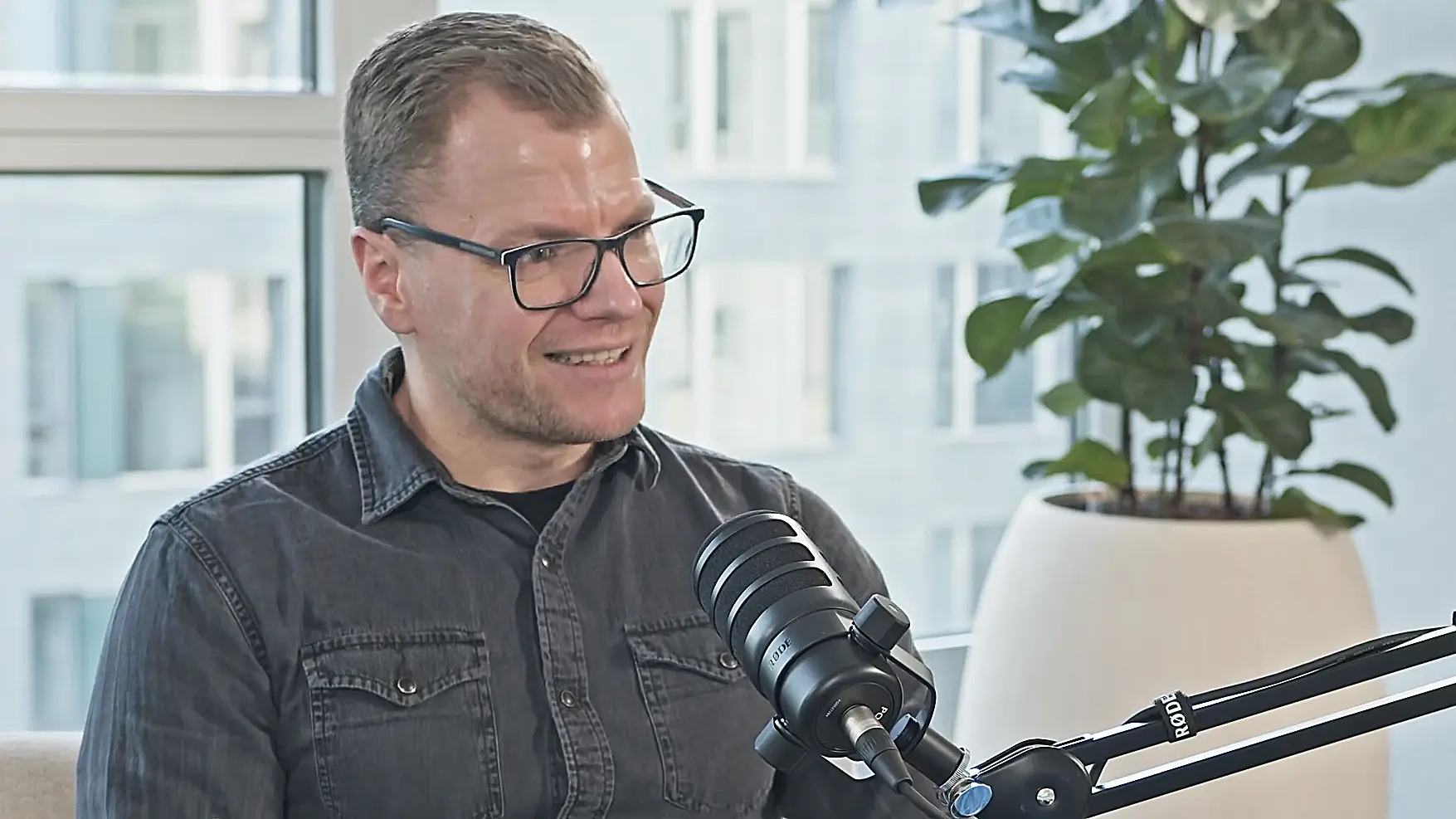
 Trust rocks the cradle: crowdfunding and D2C from scratch.11/03/2026. Starting from zero with a completely unknown product, you need one thing above all: trust. Hendrik Mahncke, founder of Rock My Sleep, knew that from the start. He tells Jean-Marc Noël how a crowdfunding campaign and an idea on a sheet of paper became a serious e‑commerce business, and how an unknown brand earns the trust of parents.Trust rocks the cradle: crowdfunding and D2C from scratch.
 A large number of reviews is a major factor for AI.22/09/2026. E‑commerce is changing fast: customers expect good products, fair prices and a smooth experience, while AI and agentic commerce change how people discover and buy products. Bastian Kolmsee, COO of Trusted Shops, talks to David Rissmann, Head of Strategy and Chief of Staff at Flaconi, about the beauty retailer's path from start-up to international e‑commerce company.A large number of reviews is a major factor for AI.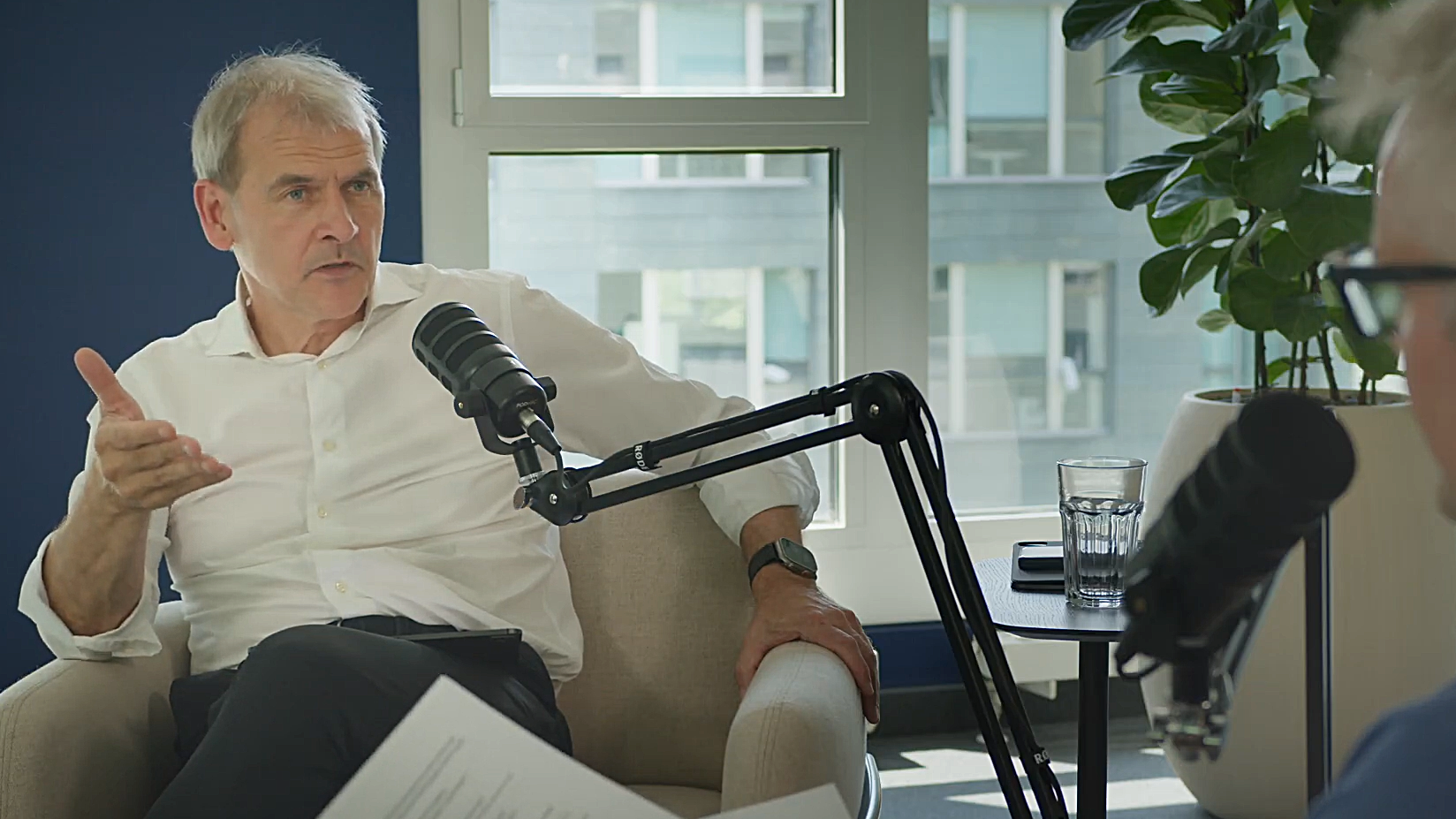
 Unfortunately, those who play by the rules are the ones who lose out.13/08/2026. Fake shops and manipulated reviews harm not only consumers but the whole of online retail. Dr. Carsten Föhlisch talks to Stephan Tromp, Deputy Managing Director of the German Retail Federation (HDE), about the growing threat of online fraud and why trust has become the most important currency in e‑commerce.Unfortunately, those who play by the rules are the ones who lose out.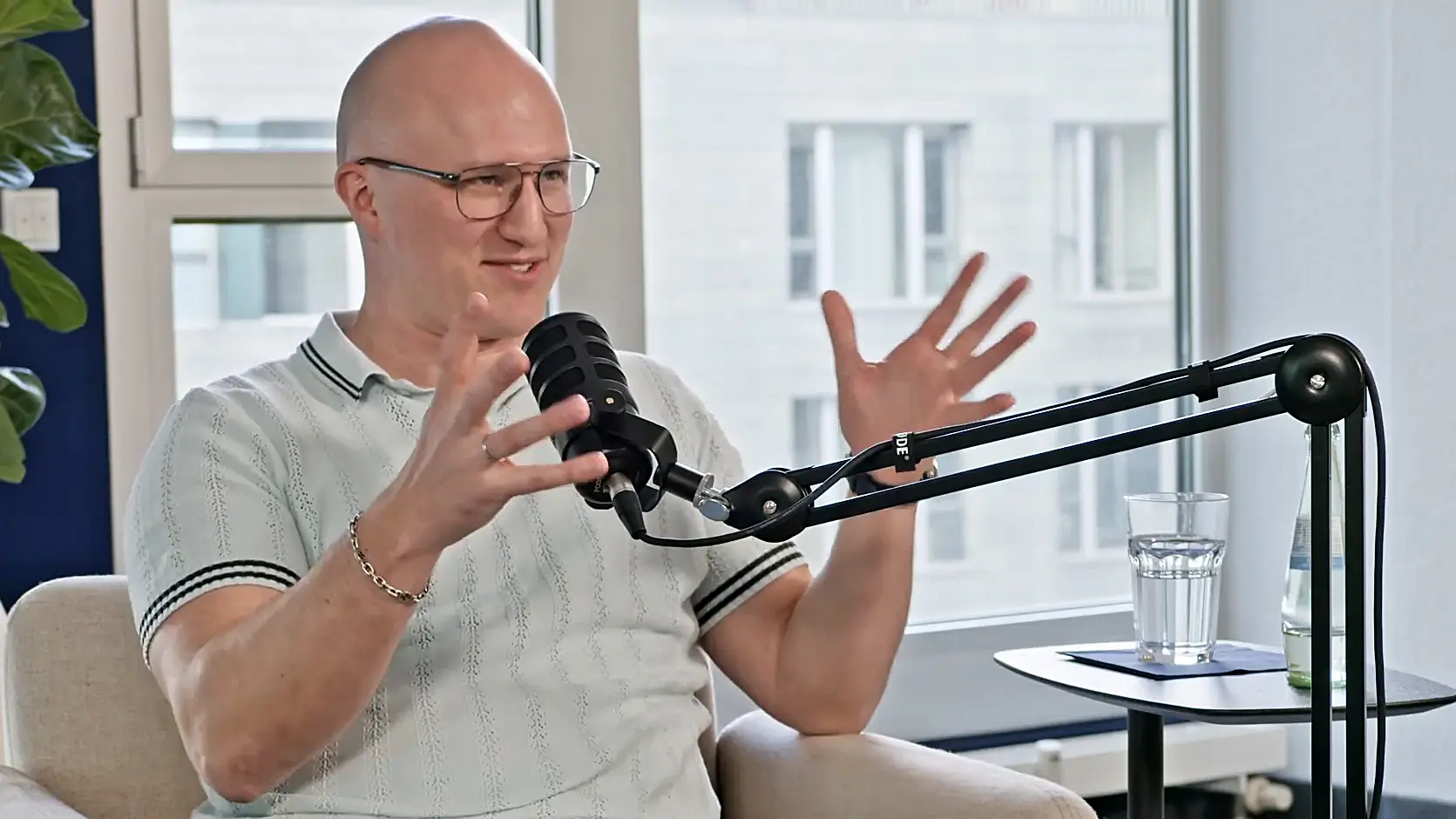
 Differentiating the indifferent for a 20% conversion uplift.14/04/2026. Electricity and gas are invisible products. That's exactly why trust at E wie Einfach is not a phrase but a conversion strategy. Roman Philippi tells Jean-Marc Noël how the Cologne-based E.ON subsidiary brings innovation, customer focus and measurable trust signals together in a highly regulated market – and what difference a trustmark really makes at checkout.Differentiating the indifferent for a 20% conversion uplift.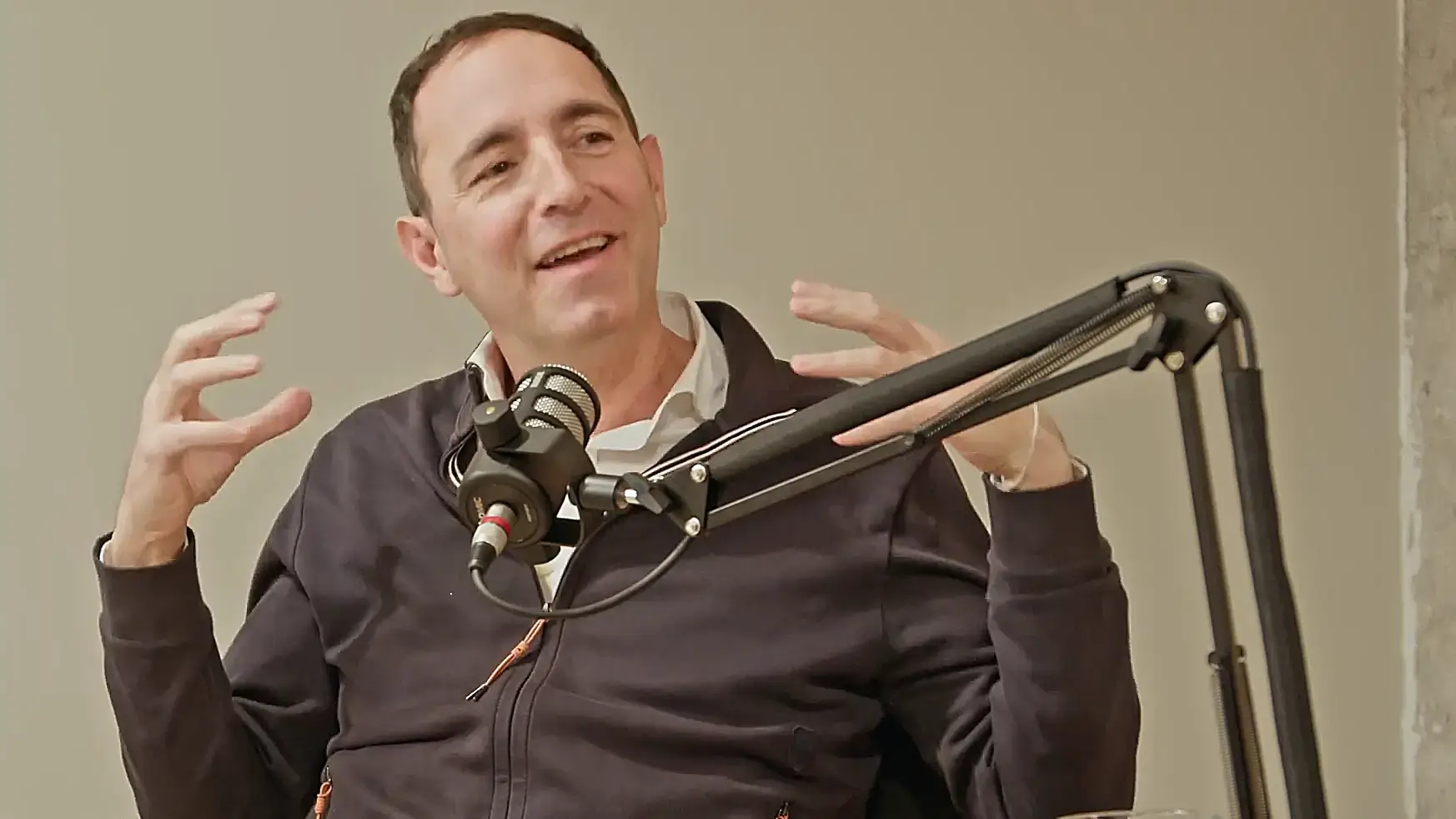
 Market realities: navigating regional differences and subscriptions.12/01/2026. “There are moments when you feel like giving up – and that's often when it becomes clear whether a business will truly grow.” Jean-Marc Noël talks to Marius Rossel, founder and CEO of the Spanish e‑commerce agency TRILOGI, about 25 years of entrepreneurship, technological change and why trust is a decisive success factor in the Spanish market.Market realities: navigating regional differences and subscriptions.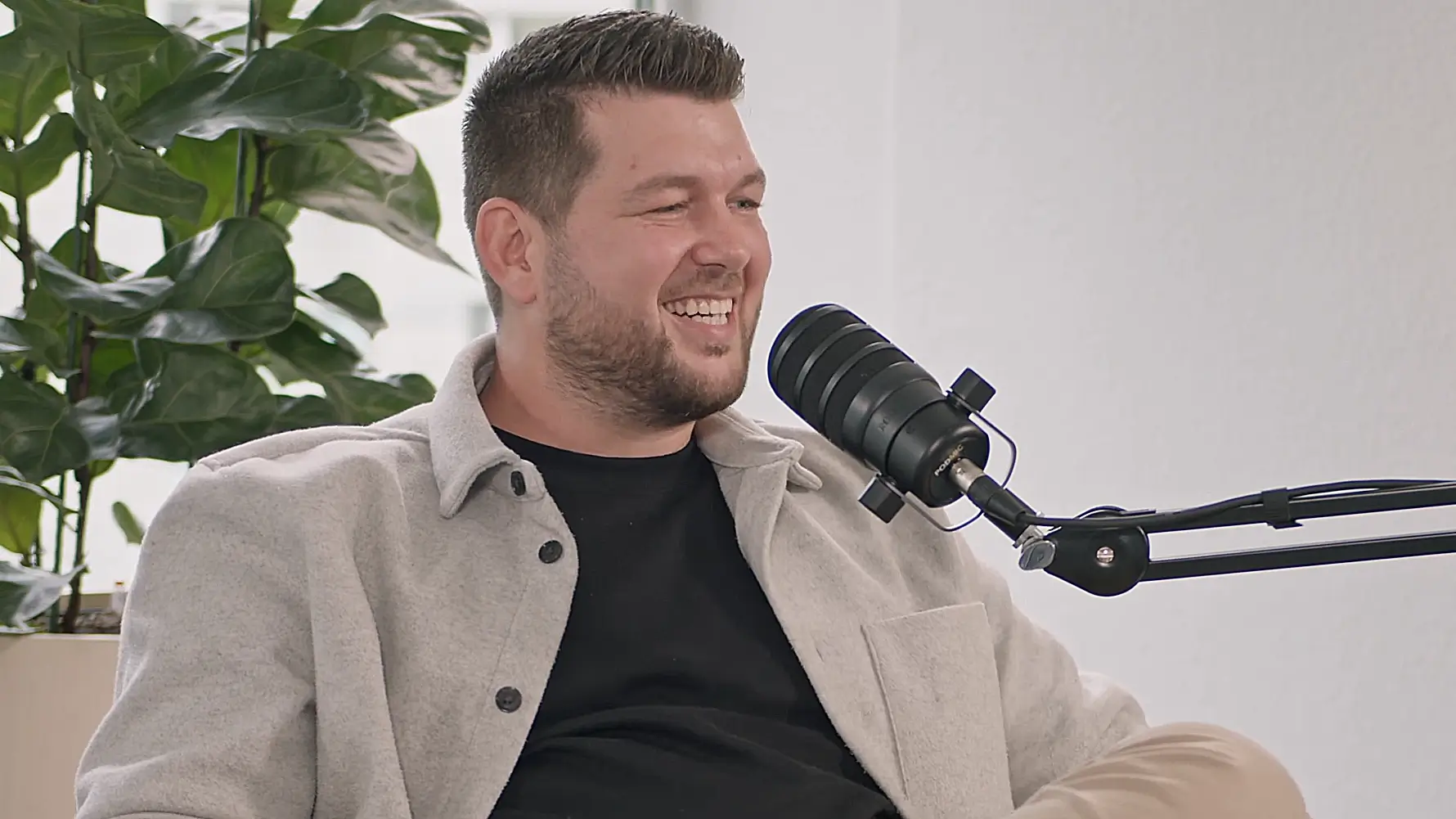
 From negative reviews to pure anticipation: rewriting the customer experience through feedback.03/11/2025. How do you build trust in a market where products need explaining – and scale internationally with it? Kevin Föllmer, Head of Sales at DF Automotive, describes the journey from the first unique selling point (“Which part fits my car?”) to a buying experience that systematically removes uncertainty.From negative reviews to pure anticipation: rewriting the customer experience through feedback.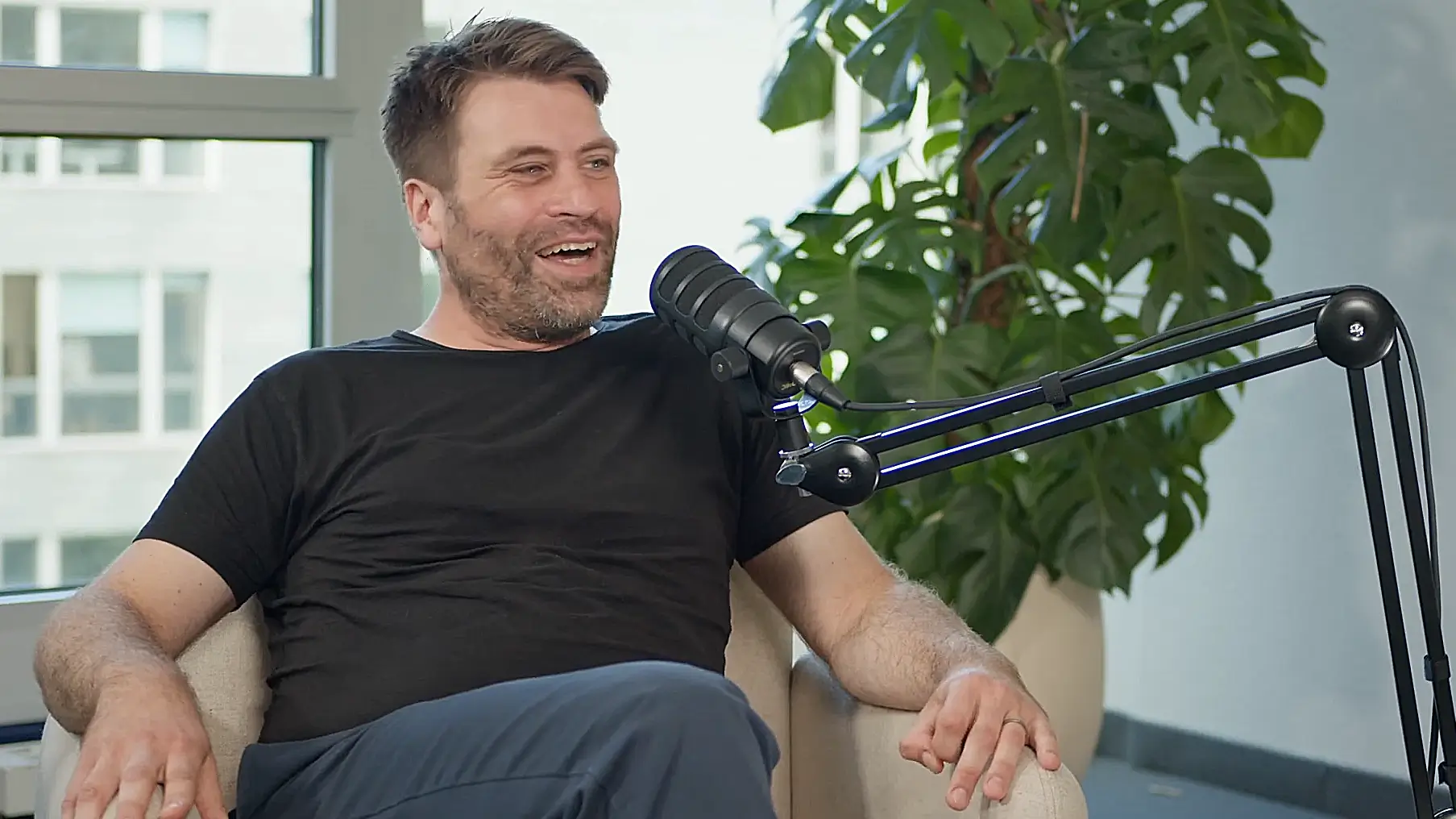
 A shop for a beloved brand has to carry its DNA.18/09/2025. Iconic football pictures turned into a complete shop: the 11FREUNDE shop sells wall art, retro jerseys, accessories, books – and tickets. Shop manager Mattias Benesch explains to Jean-Marc Noël why trust in e‑commerce is more than a nice-to-have, and how to sell high-priced products online to a community that is critical of consumerism.A shop for a beloved brand has to carry its DNA.
 Meraki in e‑commerce: how radically authentic storytelling beats a falsified market.24/07/2025. It all started with a few bottles of olive oil and a dream: as a student, Floris Reurts brought fresh olive oil from Crete to the Netherlands – and soon realised he was onto something bigger. Today Gkazas.com is a growing online brand. Floris tells Jean-Marc Noël how he built it by focusing on origin, transparency and trust.Meraki in e‑commerce: how radically authentic storytelling beats a falsified market.
 Always remember what makes you unique – it’s what makes you grow.07/07/2025. Every bag one of a kind, made from real fire hose – that's the idea behind Feuerwear. CEO Robert Klüsener talks to Jean-Marc Noël about sustainable production, building a direct-to-consumer shop and how e‑commerce works when every product exists only once – and why reviews and the Trusted Shops trustmark matter.Always remember what makes you unique – it’s what makes you grow.
 Screw the manual: why zero‑budget success demands your own unconventional path.21/05/2025. Carolin Handschuh started her online shop missforty germany in 2020, out of a personal crisis and without much starting capital. She talks to Jean-Marc Noël about bold decisions, honest marketing and building a strong community – why she made returns chargeable on purpose and what role TikTok plays in building her brand.Screw the manual: why zero‑budget success demands your own unconventional path.
 Your customers are already telling you how to grow – listen to them.28/04/2025. How do you build real trust in the digital age? Beate Rank, CEO and co-founder of Fred & Felia, shares her personal motivation, product development and clever community building. Fred & Felia relies on quality, transparency and genuine customer reviews – and turns dog owners into loyal fans.Your customers are already telling you how to grow – listen to them.
 Be the exact fit when it matters: how precision products win through precise UX.03/04/2025. Custom-made sheet metal, an online configurator and more than 10,000 orders a year: Kantfuchs24 shows how a seemingly simple product can change B2B e‑commerce. The real success factor? Trust. Frank Schulz, COO and co-founder, tells Jean-Marc Noël how speed, precision and customer focus made the company a pioneer.Be the exact fit when it matters: how precision products win through precise UX.
 AI creates opportunity only if customers trust what you do with it.11/03/2025. Data protection, artificial intelligence, influencer marketing – e‑commerce is changing fast. Pixum has been a leader in photo products for 25 years, but competition is tougher than ever. Pixum CEO Daniel Attallah talks to Jean-Marc Noël about how transparency, data security and the Trusted Shops trustmark keep customers' trust.AI creates opportunity only if customers trust what you do with it.
More from #trstd casts
 We require transparent AI. Trust cannot be built without transparency.29/09/2026. Artificial intelligence has long been more than hype – and yet agentic AI is far from reality everywhere. In conversation with Sabrina Engling, Valentina Kerst of the German AI Association (KI Bundesverband) explains where companies stand today, which topics are underestimated and why good data foundations are decisive for the next stage. Kerst sees the biggest gap in data governance: companies need to know which data they have, where it lives, who may access it and how it is structured. Only a reliable data foundation makes it possible to use AI agents meaningfully.We require transparent AI. Trust cannot be built without transparency.
- A large number of reviews is a major factor for AI.22/09/2026. E‑commerce is changing fast: customers expect good products, fair prices and a smooth experience, while AI and agentic commerce change how people discover and buy products. Bastian Kolmsee, COO of Trusted Shops, talks to David Rissmann, Head of Strategy and Chief of Staff at Flaconi, about the beauty retailer's path from start-up to international e‑commerce company.A large number of reviews is a major factor for AI.
- Unfortunately, those who play by the rules are the ones who lose out.13/08/2026. Fake shops and manipulated reviews harm not only consumers but the whole of online retail. Dr. Carsten Föhlisch talks to Stephan Tromp, Deputy Managing Director of the German Retail Federation (HDE), about the growing threat of online fraud and why trust has become the most important currency in e‑commerce.Unfortunately, those who play by the rules are the ones who lose out.
 When emotions play a role, rationality goes out the window.28/07/2026. Why do we often trust a website within seconds? And why is a professional design often enough to switch off our critical thinking? Dr. Carsten Föhlisch talks to Michael Rasimus, head of the eye-tracking lab at DHBW Karlsruhe, about the psychology behind fake shops and online fraud, and what eye tracking reveals about where people really look.When emotions play a role, rationality goes out the window.
 Fake shops with AI: highly professional, fast-rising fraud.29/05/2026. Fake shops can hardly be told apart from real ones any more – AI makes it possible, and the numbers show online fraud is rising sharply. Dr. Carsten Föhlisch talks to Isabelle Rosière, Managing Director of Deutschland sicher im Netz e.V. (DsiN), about the rapid professionalisation of online fraud and what it means for consumers.Fake shops with AI: highly professional, fast-rising fraud.
- Hard lessons in logistics, drop-shipping and agency red flags.28/05/2026. Made to measure, down to the centimetre: what DIY stores can't do, Grimberg GmbH turned into a business model. Maurice Grimberg and his sister Leonie run the family company from Sievern, started by their father in 2004 in a hallway, as a modern e‑commerce business with more than 130,000 customers in Germany and the Benelux. How do you notice that an agency doesn't really understand your product – and when do you act on it?Hard lessons in logistics, drop-shipping and agency red flags.
 76,000 fake shops uncovered: the industrial scale of global e‑commerce fraud.18/05/2026. When Matthias Marx started investigating open data leaks on the internet, he came across something he couldn't place at first: thousands of professionally designed web shops on the same technical base, with hidden code to skim credit card data. What followed was the discovery of BogusBazaar, a criminal network of more than 76,000 fake shops, run like a real company from China.76,000 fake shops uncovered: the industrial scale of global e‑commerce fraud.
- Differentiating the indifferent for a 20% conversion uplift.14/04/2026. Electricity and gas are invisible products. That's exactly why trust at E wie Einfach is not a phrase but a conversion strategy. Roman Philippi tells Jean-Marc Noël how the Cologne-based E.ON subsidiary brings innovation, customer focus and measurable trust signals together in a highly regulated market – and what difference a trustmark really makes at checkout.Differentiating the indifferent for a 20% conversion uplift.
- Trust rocks the cradle: crowdfunding and D2C from scratch.11/03/2026. Starting from zero with a completely unknown product, you need one thing above all: trust. Hendrik Mahncke, founder of Rock My Sleep, knew that from the start. He tells Jean-Marc Noël how a crowdfunding campaign and an idea on a sheet of paper became a serious e‑commerce business, and how an unknown brand earns the trust of parents.Trust rocks the cradle: crowdfunding and D2C from scratch.
- Market realities: navigating regional differences and subscriptions.12/01/2026. “There are moments when you feel like giving up – and that's often when it becomes clear whether a business will truly grow.” Jean-Marc Noël talks to Marius Rossel, founder and CEO of the Spanish e‑commerce agency TRILOGI, about 25 years of entrepreneurship, technological change and why trust is a decisive success factor in the Spanish market.Market realities: navigating regional differences and subscriptions.
- From negative reviews to pure anticipation: rewriting the customer experience through feedback.03/11/2025. How do you build trust in a market where products need explaining – and scale internationally with it? Kevin Föllmer, Head of Sales at DF Automotive, describes the journey from the first unique selling point (“Which part fits my car?”) to a buying experience that systematically removes uncertainty.From negative reviews to pure anticipation: rewriting the customer experience through feedback.
- A shop for a beloved brand has to carry its DNA.18/09/2025. Iconic football pictures turned into a complete shop: the 11FREUNDE shop sells wall art, retro jerseys, accessories, books – and tickets. Shop manager Mattias Benesch explains to Jean-Marc Noël why trust in e‑commerce is more than a nice-to-have, and how to sell high-priced products online to a community that is critical of consumerism.A shop for a beloved brand has to carry its DNA.