AI creates opportunity only if customers trust what you do with it.
11/03/202531:02ReputationVerifiable trust

The audio player is provided by Letscast, which sets cookies.
Data protection, artificial intelligence, influencer marketing – e‑commerce is changing fast. Pixum has been a leader in photo products for 25 years, but competition is tougher than ever. Pixum CEO Daniel Attallah talks to Jean-Marc Noël about how transparency, data security and the Trusted Shops trustmark keep customers' trust.
Comment onYouTube (opens in a new window)
Original language: German
In this episode: Jean‑Marc Noël, Daniel Attallah (Pixum)
Transcript
# Community of Trust — Pixum with Daniel Attallah
Daniel Attallah: When I entrust you with my photos, I'm really entrusting you with something very personal — you could say something from deep inside me.
And especially now, in the age of AI, customers ask: are you doing anything with my photos using AI?
That's a major concern for our customers.
So we rely on maximum transparency.
Trust has been one of the most important aspects for us from the very beginning, 25 years ago, until today.
We have to communicate to our customers: you can trust us.
Jean-Marc Noël: Community of Trust, the podcast in which successful online retailers share their real experiences and proven strategies.
Daniel, we've known each other for a few years now, I'd say. We'll talk about that as well.
And this episode is also a special one: it's the pilot episode of Community of Trust.
We want to talk about what you're doing with Pixum in this period of major change — after COVID, with the development of AI and everything else — to continue running a successful online business.
And that's what makes this podcast special: we'll go through it step by step.
How did you overcome the challenges you've faced? How do you want to deal with the challenges of the future?
And perhaps listeners can take something from that and apply it themselves.
Welcome, Daniel, to Community of Trust.
Daniel Attallah: Thank you, Jean-Marc. Thank you for having me.
It's a special honour to do the pilot podcast with you.
I'm very happy to be here.
Jean-Marc Noël: Tell us a little about your online shop.
What do you sell, and what makes Pixum special?
Daniel Attallah: One thing that's special, similar to Trusted Shops, is that we've been around for 25 years.
So we came out of the very beginnings of e‑commerce.
We've been in the market for 25 years, and we've been successful for 25 years.
What do we actually do?
We're an online photo service.
We offer direct-to-consumer websites and apps that let you turn your digital photos into products you can experience again.
That sounds a little abstract.
In practice, those are photo books, wall art, photo prints, Advent calendars, calendars you give to your parents, mugs, puzzles and so on.
Basically, anything where your digital photos become a physical product.
Jean-Marc Noël: It's a great story because today it's almost impossible to imagine the world without images.
Smartphones have changed that enormously.
But what are your biggest challenges at the moment?
Daniel Attallah: Right now, we're seeing two very important changes in our industry.
One is that customers increasingly have their photos directly on mobile devices.
Everyone knows this themselves.
The cameras on phones have become so good that most people no longer take a second camera with them.
Even I, as someone who's enthusiastic about photography, rarely take my professional camera with me anymore.
It's simply too heavy.
I did take one on a longer trip to Japan last year — I even bought a new one specifically for that trip.
But even then, I'd say I took around 80% of my photos with my phone.
And for our customers, it's very similar.
For some of them, it's probably 100%.
Then there's no longer a media break if I also create the product on the phone.
But that's not as easy as it used to be on desktop.
Creating a photo book on a 21-inch screen with a mouse, moving pictures around from left to right, is very different from doing the same thing on a six-inch screen.
And you still want the quality of the photo book to be good.
That leads to the second challenge — something that challenges us, but also helps us: artificial intelligence.
How do I build an app that's intelligent enough to pre-arrange the photos you've selected?
How can it make a suggestion for what your photo book could look like?
How can it perhaps enrich that with additional information, or use information already contained in the photos?
A photo isn't only the image.
It can also contain information about where it was taken and when it was taken.
Perhaps we can put that on a map and show you where you travelled on your trip to Japan.
Those are the big challenges for us: the shift to mobile, and at the same time enriching our software with artificial intelligence.
Jean-Marc Noël: That is a major shift for your company.
And of course mobile also means social media and lots of different channels.
But there's another thing that immediately stands out when you mention AI.
If I entrust you with my photos, then I'm really entrusting you with something very personal.
What do you do to make sure I feel comfortable using the Pixum app and handing over all that data, so that in the end I can hold a great photo book in my hands?
That requires a significant amount of trust.
What's your strategy there?
Daniel Attallah: Trust has been one of the most important things for us from the beginning, from 25 years ago until today.
We have to communicate to customers in some way: we are trustworthy. You can trust us.
We handle your intimate and personal photos in the way you'd expect from someone to whom you're giving something that personal.
That's a very high level of trust that we have to provide so that customers are willing to entrust us with those photos.
Twenty or 25 years ago, the trust question was more about the actual purchase.
That's probably where your name also comes from.
Twenty-five years ago, we weren't an established player either.
Amazon wasn't even an established player at that point.
Today, Amazon probably doesn't need a trust logo on its website anymore because everyone knows it.
We're not as well known as Amazon.
For us, it's still important to have a trust mark and to show customers: there is someone who has looked at this company, and they are trustworthy.
The second part is how we handle the photos themselves.
And especially now in the age of AI, customers ask: are you doing anything with my photos using AI?
That's a major concern.
So we rely on maximum transparency.
We have an AI Charter where we tell customers how we use AI and what we do with it.
We say very clearly: whenever we use AI and it affects your images or your personal information, we'll ask your permission.
We will never simply hand your data or images to third parties and have them processed somewhere on dubious server farms, or use them to build large language models or other AI tools.
Jean-Marc Noël: So you rely fully on transparency.
Let's make that a little more concrete.
If you were giving listeners a step-by-step recommendation for how to create that transparency for users and customers, what would you say?
Daniel Attallah: There are many different parts to it.
On the one hand, it's about brand communication.
In our brand communication we use trust marks, seals of quality, reviews, test awards and other awards we've received.
All of those things signal: critical external people have already looked at this company.
They say we're trustworthy.
They say we're good.
They say we make strong photo books.
And today, if you receive an award, that can also communicate trust very strongly.
For example, last year we received a TIPA Award, an international technology award in photography.
Our app was selected as the best app worldwide.
That's a fantastic label to receive.
All of that communicates trust.
Then, when it comes to specific topics such as AI, you have to communicate at the moment you're actually using it.
In the app, for example, if the customer starts a feature and we say: would you like us to create a photo-book suggestion?
Then we tell them: yes, we use AI here — but only locally.
We don't transfer your images.
We use artificial intelligence to help create the photo-book suggestion.
So it's about communication at the right point.
It's also about having trust elements present throughout the experience.
And of course the usability itself needs to be simple and clear enough to inspire trust.
Jean-Marc Noël: Of course, not everyone has the ability to build the best app in the world.
Let's talk about acquiring new customers.
One of the channels today is influencer marketing.
Do you use influencer marketing?
And if you do, what are your tips for making it work?
Daniel Attallah: Influencer marketing is one of our marketing channels and one of our new-customer channels.
But from experience I can say: not every influencer works.
Someone can have a million followers and still not be able to motivate those people to buy a specific product.
We paid a lot of tuition to learn that.
For us, the influencers who work are usually those who are directly connected with the main topic our customers care about — photography in the broadest sense.
One of our most important customer groups is young families.
Young families with children take a huge number of photos.
So if you have mums who are influencers and show how to create a photo book, or how to put pictures of the children into a calendar as a Christmas present for the grandparents, that can work very well.
That can be profitable.
Jean-Marc Noël: So you look very closely at where the customers are and where the product naturally fits.
You mentioned that you paid some tuition.
What were some of the biggest mistakes or flops?
Daniel Attallah: I don't have one specific example because I'm not deeply involved in the day-to-day social-media work anymore.
But I know we've had influencer campaigns where we had a hypothesis.
We said: this influencer has 1.5 million followers, they do this and that, and their audience should fit our target customers quite well.
Then we sign the contract — because of course they want to be paid — and we try it.
And then we discover that the return on ad spend is 60%.
Jean-Marc Noël: That doesn't sound particularly good.
Daniel Attallah: Not at all.
I always tell my people in social media: if you're below 100%, then please just give me the money.
I'll stand on the Hohe Straße and hand out banknotes.
If I give you €100 and say: keep €40 and spend €60 with us, that's obviously a fantastic conversion rate — but it isn't a business model.
So I need a ROAS, a return on ad spend, of at least 150%, and ideally 200%, before it starts to make sense.
That means if I give an influencer €100, I want that to generate €200 in revenue.
Jean-Marc Noël: That's a very important point.
With all these marketing options, measurement is critical.
You need to draw conclusions from the numbers.
What about more traditional methods of acquiring customers, such as SEO or SEA?
Do those still work?
Daniel Attallah: Absolutely.
But the world has changed completely.
Twenty years ago, it was simple.
You had a website and you had Google.
Actually, when we started, there wasn't even Google as an advertising platform.
That only really came later.
So we used classic methods.
We ran ads in photography magazines and things like that.
Today we have a much more complex world.
First of all, we have four ordering channels.
We have the website.
The website can be used from a desktop device or a mobile device.
We have desktop software.
And we have an app — technically two apps, one for Android and one for Apple.
They're very similar, but you still need separate development.
So we have to serve all of those channels.
And we have to acquire customers for all of them.
That means SEA, SEO, affiliate marketing, social media, paid social, influencer marketing — name it, we do it.
We have to use the full range of online marketing to reach profitable customers who stay with us and continue buying our products.
Jean-Marc Noël: You told me before that you do a lot of SEO yourselves.
Why is that?
And perhaps you can give a few tips to people who are thinking about doing the same thing.
Daniel Attallah: As an entrepreneur, I think it's important to understand where your value creation is.
If you know what the most important part of your company's value creation is, you can't simply outsource it.
One of the most important parts of our value creation is marketing.
How do we reach customers?
How efficiently do we reach them?
What kind of customers do we reach with the money we spend?
Do they stay?
How can we reactivate them?
How can we make them loyal?
How can we get them to love us?
That's one of our core competencies.
And I can't simply hand that over to an agency, because nobody can do it as well as the people who live and breathe it every day and think about it all the time.
Jean-Marc Noël: But then you need specialists inside the company.
How do you make sure you attract the right specialists and build the right team?
Daniel Attallah: That's a major challenge, especially because we're competing with other large and attractive companies.
And that takes us into another category: company culture.
As an entrepreneur, you need to create an environment where people genuinely want to work.
Where the office is good.
Where the work is interesting and exciting.
Where there's a healthy balance between autonomy — people being able to decide for themselves how to work — and alignment, meaning they still know which direction the company is going in.
You can only give employees autonomy, including the freedom to work from home or from the office, if they know what they're supposed to achieve.
Jean-Marc Noël: How do you create that alignment?
I assume you work hybrid or remote.
What's your recipe for making sure everyone knows what they're working towards?
Daniel Attallah: That's a big challenge for us too.
We experiment with it all the time.
Today, we do a whole range of things.
First, we define a very clear strategy, and that strategy is written down and accessible.
And the strategy isn't just: "We want to be the market leader."
That's not a strategy.
That might be a vision or an ambition.
A strategy says:
Where do I want to win?
How do I want to win?
What do I need in order to win?
And how do I measure whether I'm on the right path?
We write that down.
"Where" doesn't only mean which countries.
It also means with which products and which customers.
Then: what are our USPs?
For example, usability, best customer service, deep customer understanding.
What do we need in order to achieve that?
We need excellent business intelligence.
We need a strong company culture where people feel at home and comfortable.
It's a huge puzzle.
Many pieces have to fit together to create a coherent picture.
Jean-Marc Noël: So you set very clear goals and rely on transparency so that everyone understands the direction.
Of course there will still be challenges.
If you had the perfect solution, you'd probably have written a huge book already.
Daniel Attallah: Exactly. Maybe one day.
Jean-Marc Noël: You've seen a lot over the years.
You founded the business, scaled it, and today you're part of the larger CEWE group, which creates a whole new set of challenges.
So let's think about quick wins.
What can online retailers or entrepreneurs do immediately to help move their businesses forward?
Daniel Attallah: For the business itself: focus, focus, focus.
Focus on the most important challenges and do those things really well first.
It makes very little sense to work on 20 different things at the same time and do all of them only moderately well.
Mediocrity loses on the internet.
You have to be the best.
The customer is only one click away.
So in the area where you offer your service, you need to be the best.
Focusing your topics is therefore one of the most important recipes for success.
Then there's the company itself and the company culture.
Define your company's DNA clearly.
Identify it, put it into words, preserve it, and then keep developing it.
That's another very important part.
Jean-Marc Noël: Let's go one level deeper.
How do you actually communicate those goals and that culture?
Do you have regular meetings with all employees?
A newsletter?
What works for you?
Daniel Attallah: It's a lot of different things.
It starts during onboarding.
In the onboarding weeks, we explain our strategy, our mindset and our working agreements to new employees.
We introduce them to the company culture.
So every employee first understands: where have I actually landed?
How does this company work?
What do we care about?
What are the important points?
You can't do that only in one verbal conversation.
There are things people can watch.
There are things they can read and look up again later.
There are handbooks.
There's an online handbook containing our working agreements.
There are documents where our mindset is written down.
What do we pay attention to?
What is our DNA?
And after onboarding, those things remain important in all regular feedback conversations.
They're part of company meetings.
Once a month, we have a company meeting where we talk about numbers.
We show team successes.
I'm completely transparent and say: this was our revenue, this was what we'd planned, this is what we achieved, and this is our bottom line.
We're very transparent about those things.
And then we also have regular strategy sessions.
Jean-Marc Noël: With the whole company, or cascaded through different groups?
Daniel Attallah: We have a Leadership Circle where we develop the strategy.
Then the Leadership Circle works through it with the respective departments.
Jean-Marc Noël: So your advice is to structure the communication very deliberately from the beginning.
Daniel Attallah: Yes.
And one more thing is important.
Writing something down and hanging it on the wall isn't enough.
That's the first step.
But you have to integrate it into everyday work.
When you're dealing with a problem, say: let's look again at our mindset. Does anything there help us?
You have to keep living it again and again.
Otherwise it just withers away and becomes a poster on the wall.
Jean-Marc Noël: To finish our conversation, are there any tools, resources or books you'd recommend to founders or online retailers?
Something you've personally learned a lot from?
Daniel Attallah: One topic that comes up again and again is strategy.
I got a lot of inspiration from a book called Playing to Win.
Jean-Marc Noël: Playing to Win.
Daniel Attallah: Yes.
For me, it's the most inspiring book when it comes to strategy.
It makes very clear what strategy actually is.
The five questions I mentioned earlier come from that book:
What is your winning aspiration?
Where will you play?
How will you win?
What capabilities do you need?
And which management systems do you need to support that?
It's so good that I get a bit of goosebumps talking about it.
Unfortunately, I didn't write the book, and I don't get any royalties.
But it's genuinely excellent.
It gives you a way to structure your strategy very clearly.
The second thing is: learn about OKRs — Objectives and Key Results — to create alignment.
And the third is: learn about Scrum for technology and for work that can be organised in sprints.
In Scrum environments, there are also Level 1, Level 2 and Level 3 boards that can create alignment and transparency around what teams are currently working on.
Those are probably the three most important things for bringing together technology, marketing, ambition and growth in a modern e‑commerce company.
Jean-Marc Noël: Daniel, thank you very much for those tips.
I hope they're practical and valuable for many people listening, and that they help them develop their own businesses.
And thank you very much for joining me for this pilot episode.
I hope you enjoyed this episode of Community of Trust.
If you did, subscribe to the podcast and leave us a review.
We've talked about reviews today.
Reviews are a currency of trust, and they help us reach more online retailers.
You can find more insights and useful resources at Trusted Shops.
And I'll close this conversation with the invitation to become part of this community and help build a world where we support one another — especially in e‑commerce — and continue creating a strong development for Europe.
Daniel, thank you very much.
Daniel Attallah: Thank you, Jean-Marc.
Community of Trust. Subscribe wherever you get your podcasts.
Share this episode
Get in touch with our team

Because you listened to »AI creates opportunity only if customers trust what you do with it.«
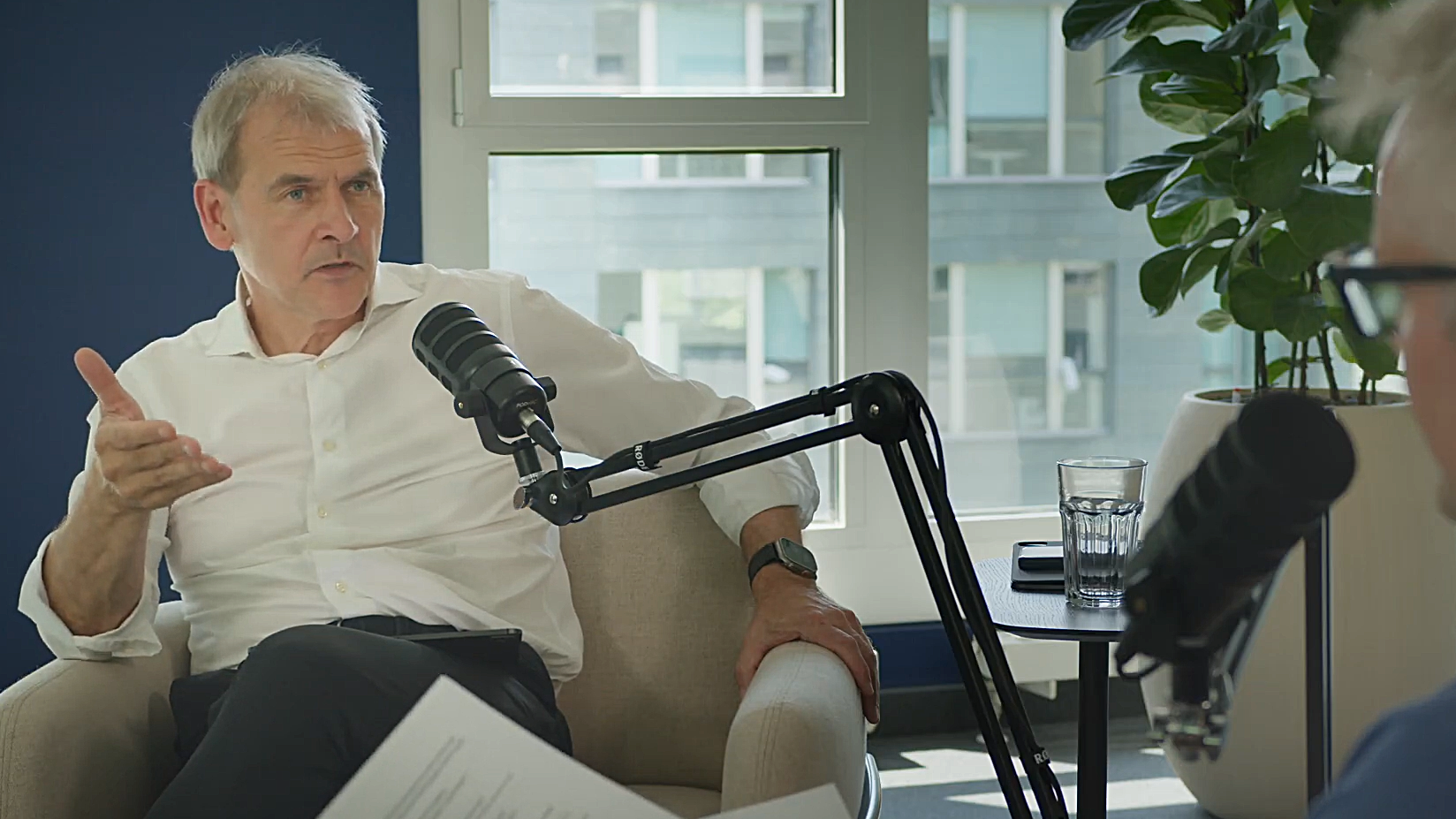
 Unfortunately, those who play by the rules are the ones who lose out.13/08/2026. Fake shops and manipulated reviews harm not only consumers but the whole of online retail. Dr. Carsten Föhlisch talks to Stephan Tromp, Deputy Managing Director of the German Retail Federation (HDE), about the growing threat of online fraud and why trust has become the most important currency in e‑commerce.Unfortunately, those who play by the rules are the ones who lose out.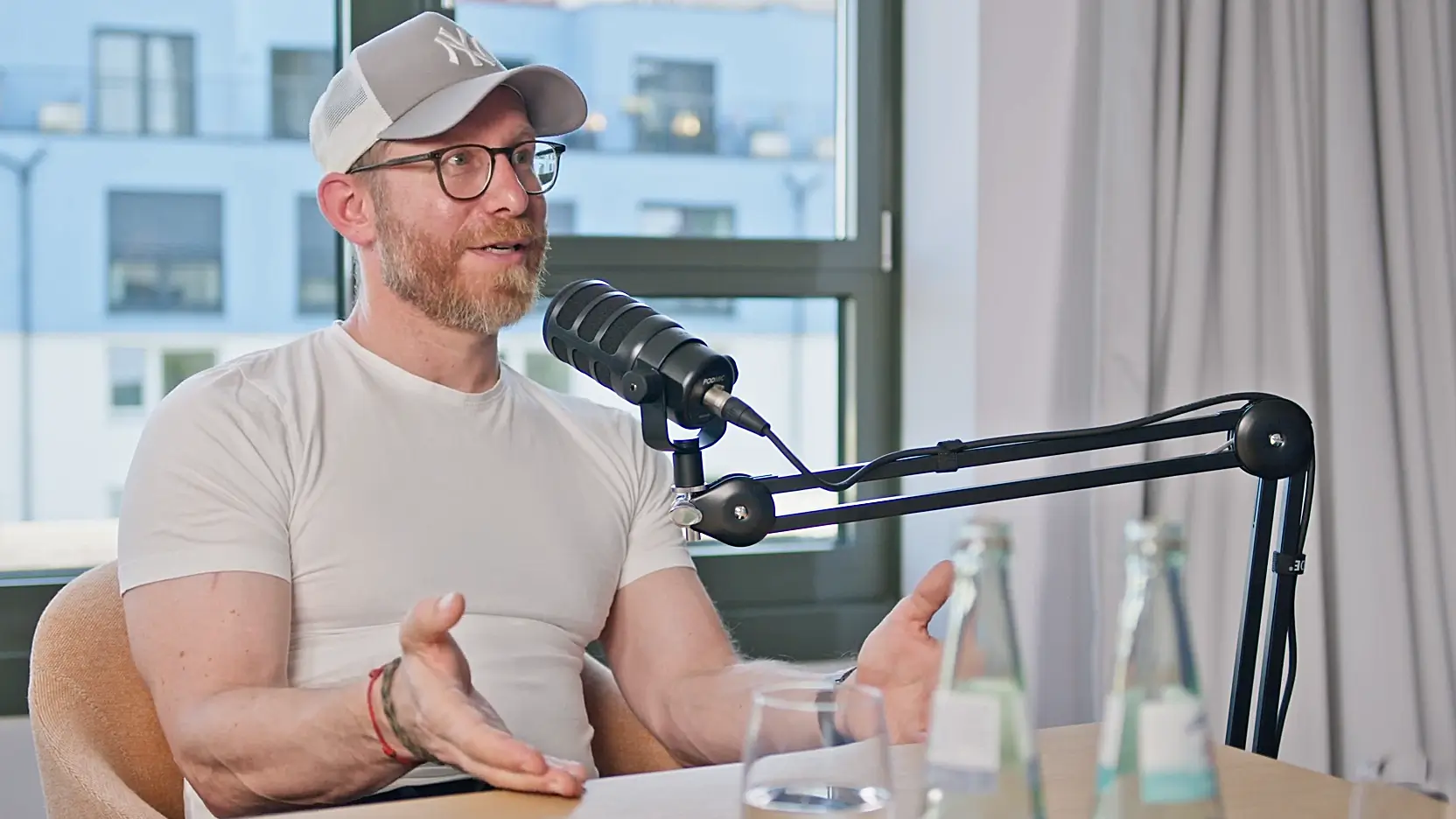
 Always remember what makes you unique – it’s what makes you grow.07/07/2025. Every bag one of a kind, made from real fire hose – that's the idea behind Feuerwear. CEO Robert Klüsener talks to Jean-Marc Noël about sustainable production, building a direct-to-consumer shop and how e‑commerce works when every product exists only once – and why reviews and the Trusted Shops trustmark matter.Always remember what makes you unique – it’s what makes you grow.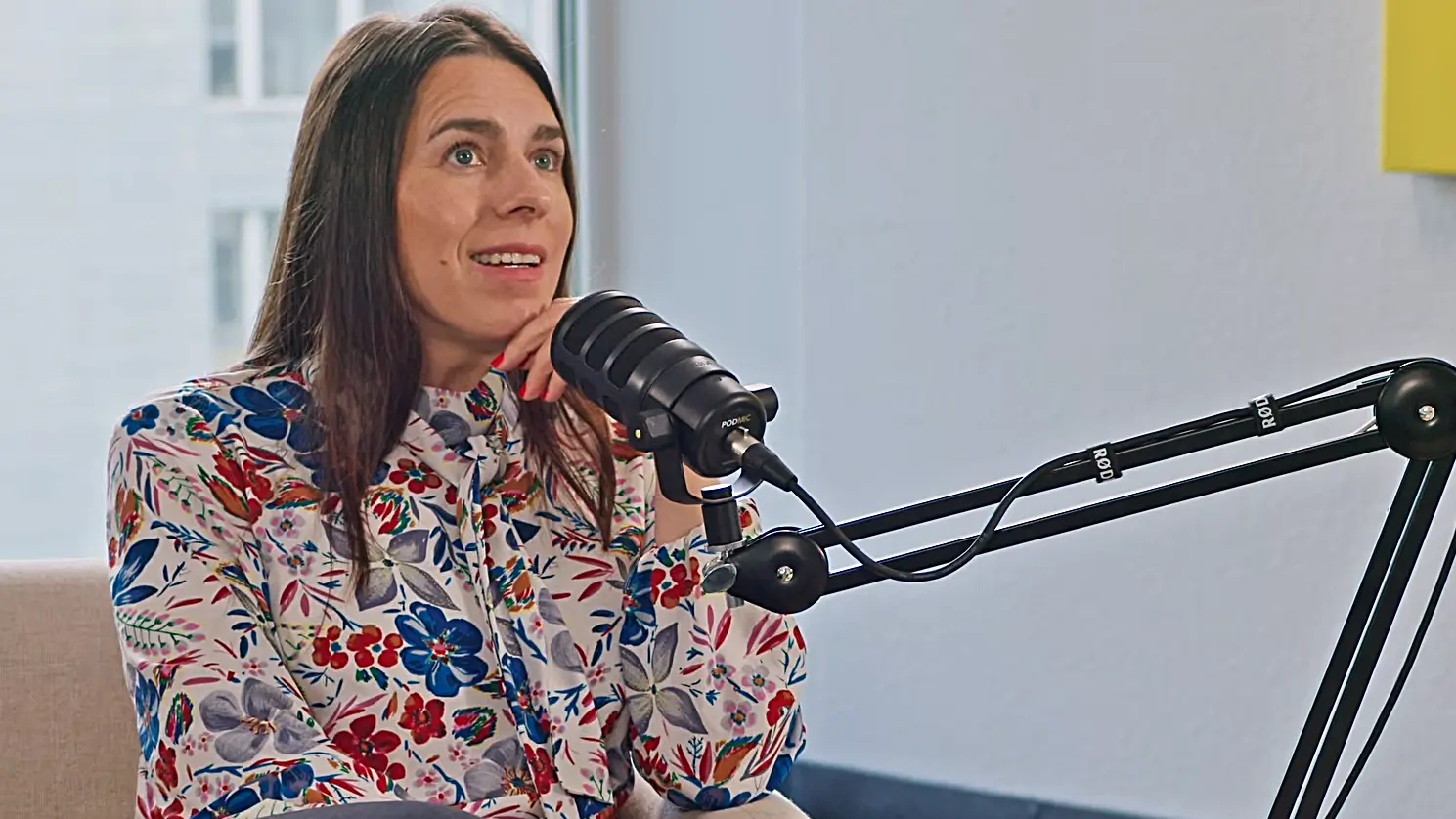
 We require transparent AI. Trust cannot be built without transparency.29/09/2026. Artificial intelligence has long been more than hype – and yet agentic AI is far from reality everywhere. In conversation with Sabrina Engling, Valentina Kerst of the German AI Association (KI Bundesverband) explains where companies stand today, which topics are underestimated and why good data foundations are decisive for the next stage. Kerst sees the biggest gap in data governance: companies need to know which data they have, where it lives, who may access it and how it is structured. Only a reliable data foundation makes it possible to use AI agents meaningfully.We require transparent AI. Trust cannot be built without transparency.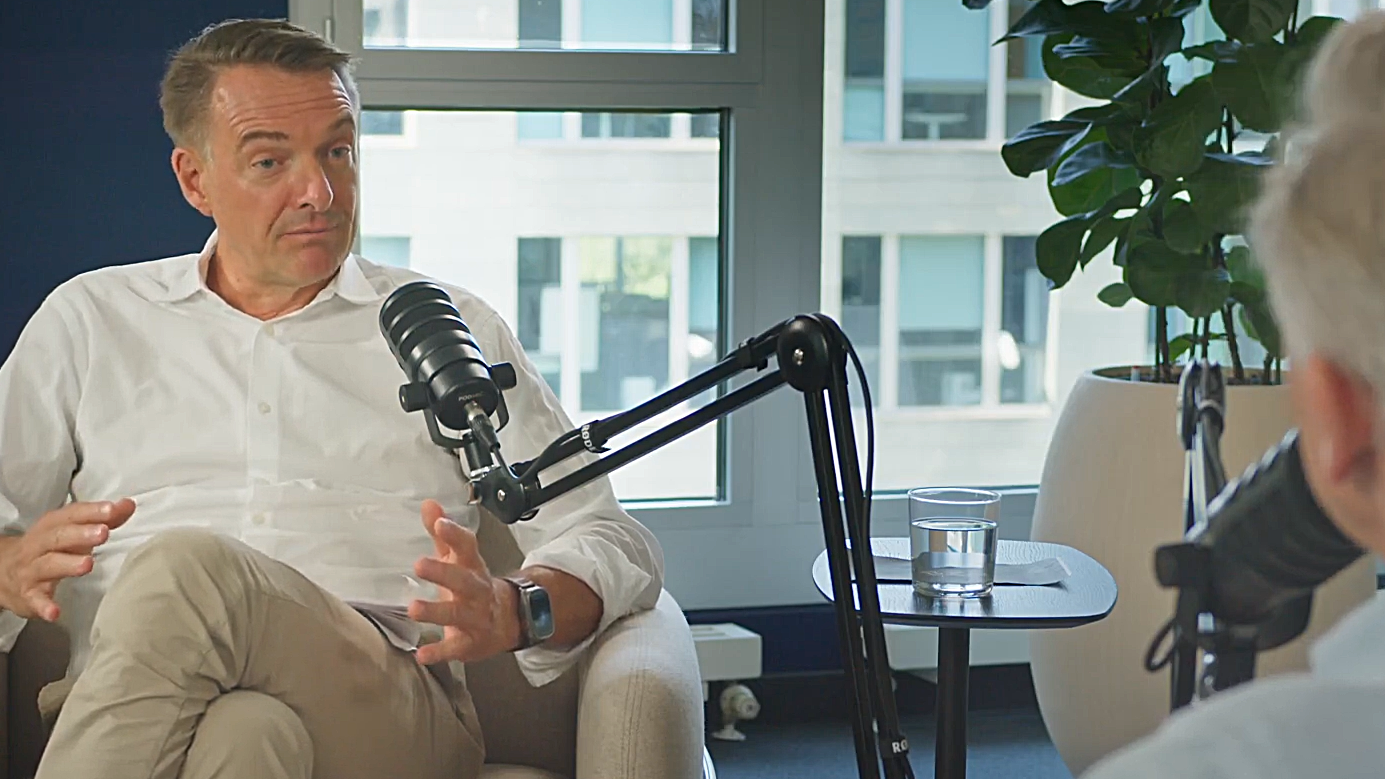
 Customer feedback is our main learning source.25/08/2026. 10,000 reviews, AI and a new course in e‑commerce: from fashion brand with physical stores to modern omnichannel retailer, More & More has gone through a full digital transformation. Jean-Marc Noël, CEO and founder of Trusted Shops, talks to Thomas Forstpointner, Head of E‑Commerce at More & More, about the challenges along the way and how trust works digitally.Customer feedback is our main learning source.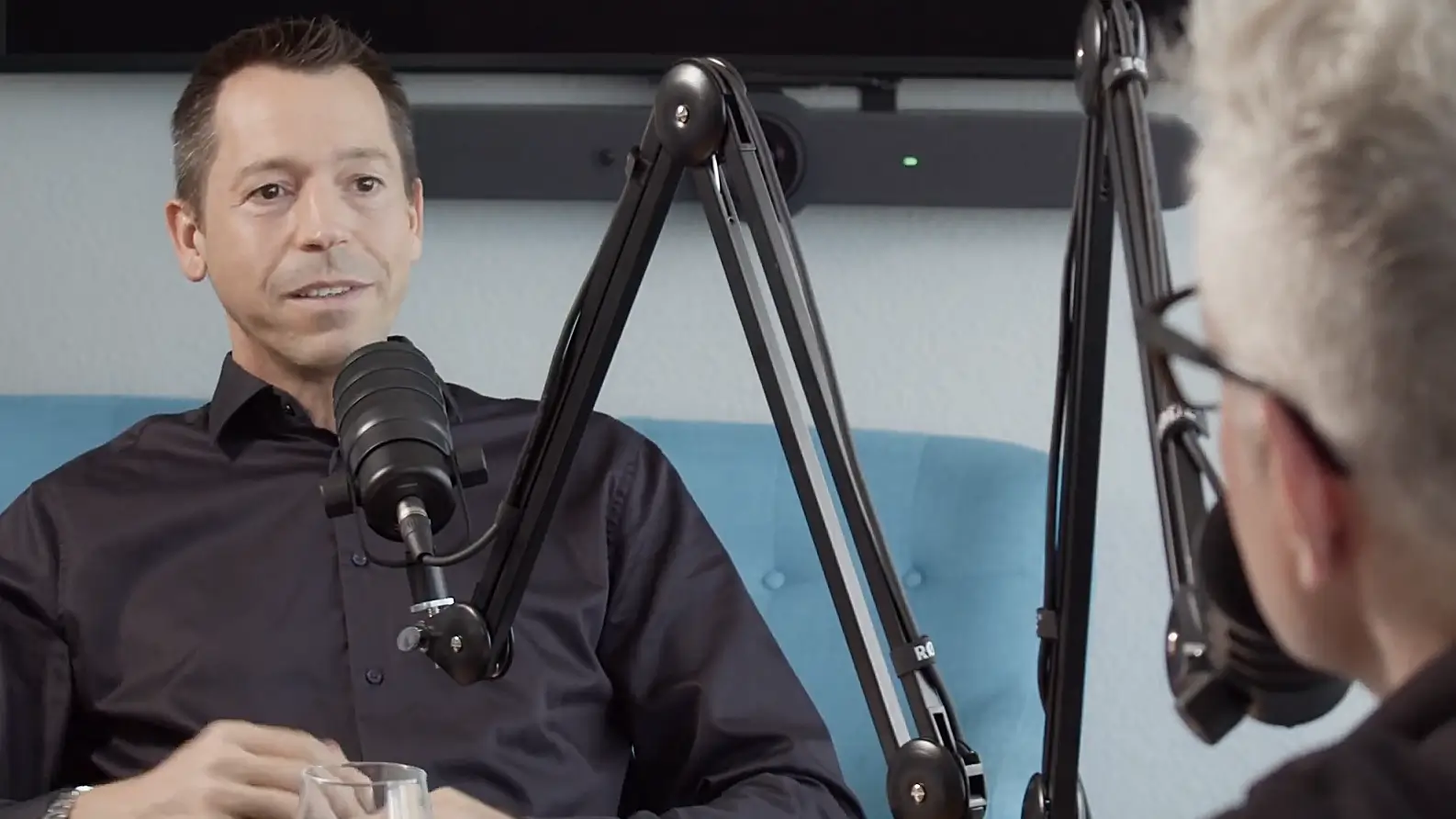
 When emotions play a role, rationality goes out the window.28/07/2026. Why do we often trust a website within seconds? And why is a professional design often enough to switch off our critical thinking? Dr. Carsten Föhlisch talks to Michael Rasimus, head of the eye-tracking lab at DHBW Karlsruhe, about the psychology behind fake shops and online fraud, and what eye tracking reveals about where people really look.When emotions play a role, rationality goes out the window.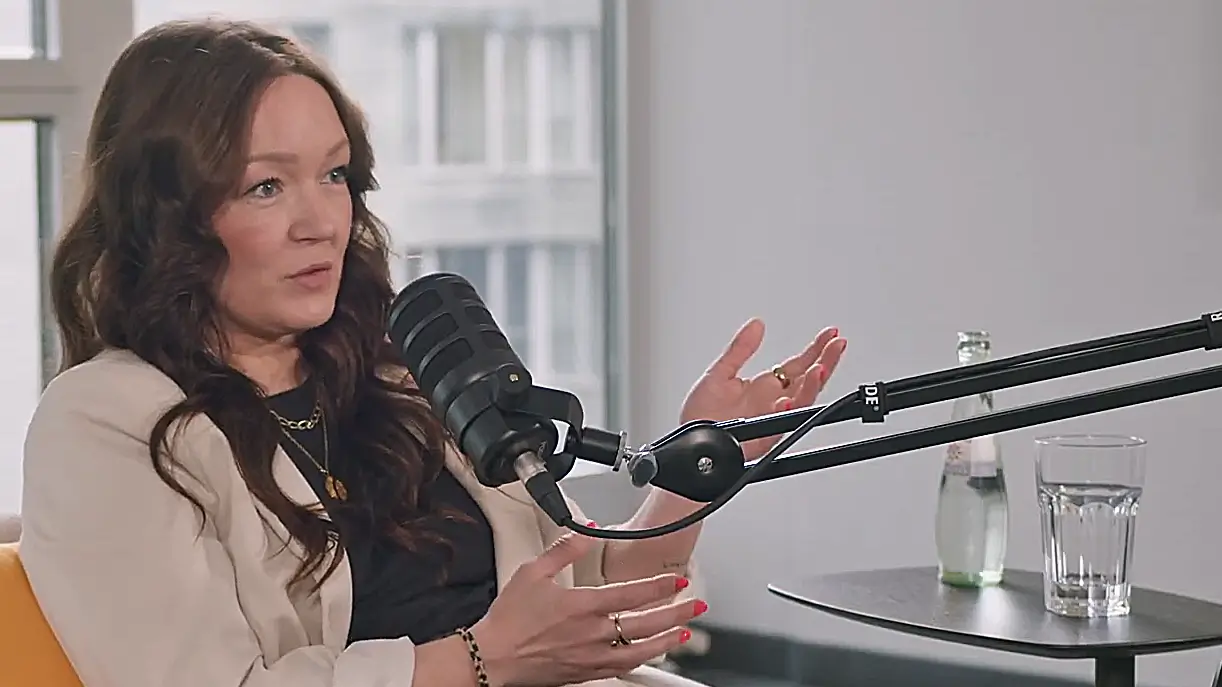
 Fake shops with AI: highly professional, fast-rising fraud.29/05/2026. Fake shops can hardly be told apart from real ones any more – AI makes it possible, and the numbers show online fraud is rising sharply. Dr. Carsten Föhlisch talks to Isabelle Rosière, Managing Director of Deutschland sicher im Netz e.V. (DsiN), about the rapid professionalisation of online fraud and what it means for consumers.Fake shops with AI: highly professional, fast-rising fraud.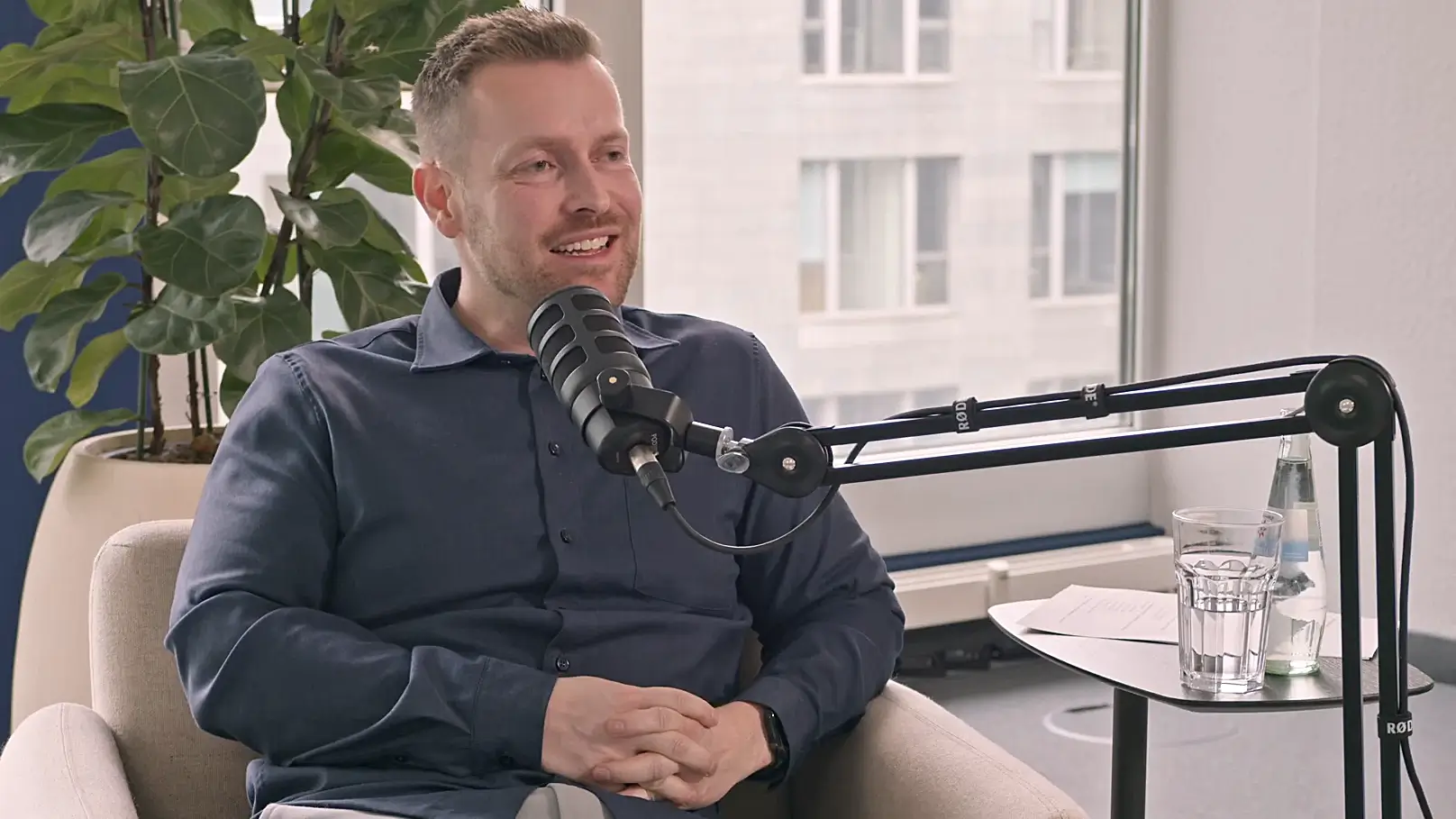

 Hard lessons in logistics, drop-shipping and agency red flags.28/05/2026. Made to measure, down to the centimetre: what DIY stores can't do, Grimberg GmbH turned into a business model. Maurice Grimberg and his sister Leonie run the family company from Sievern, started by their father in 2004 in a hallway, as a modern e‑commerce business with more than 130,000 customers in Germany and the Benelux. How do you notice that an agency doesn't really understand your product – and when do you act on it?Hard lessons in logistics, drop-shipping and agency red flags.
 76,000 fake shops uncovered: the industrial scale of global e‑commerce fraud.18/05/2026. When Matthias Marx started investigating open data leaks on the internet, he came across something he couldn't place at first: thousands of professionally designed web shops on the same technical base, with hidden code to skim credit card data. What followed was the discovery of BogusBazaar, a criminal network of more than 76,000 fake shops, run like a real company from China.76,000 fake shops uncovered: the industrial scale of global e‑commerce fraud.
 Differentiating the indifferent for a 20% conversion uplift.14/04/2026. Electricity and gas are invisible products. That's exactly why trust at E wie Einfach is not a phrase but a conversion strategy. Roman Philippi tells Jean-Marc Noël how the Cologne-based E.ON subsidiary brings innovation, customer focus and measurable trust signals together in a highly regulated market – and what difference a trustmark really makes at checkout.Differentiating the indifferent for a 20% conversion uplift.
 Trust rocks the cradle: crowdfunding and D2C from scratch.11/03/2026. Starting from zero with a completely unknown product, you need one thing above all: trust. Hendrik Mahncke, founder of Rock My Sleep, knew that from the start. He tells Jean-Marc Noël how a crowdfunding campaign and an idea on a sheet of paper became a serious e‑commerce business, and how an unknown brand earns the trust of parents.Trust rocks the cradle: crowdfunding and D2C from scratch.
 From negative reviews to pure anticipation: rewriting the customer experience through feedback.03/11/2025. How do you build trust in a market where products need explaining – and scale internationally with it? Kevin Föllmer, Head of Sales at DF Automotive, describes the journey from the first unique selling point (“Which part fits my car?”) to a buying experience that systematically removes uncertainty.From negative reviews to pure anticipation: rewriting the customer experience through feedback.
 A shop for a beloved brand has to carry its DNA.18/09/2025. Iconic football pictures turned into a complete shop: the 11FREUNDE shop sells wall art, retro jerseys, accessories, books – and tickets. Shop manager Mattias Benesch explains to Jean-Marc Noël why trust in e‑commerce is more than a nice-to-have, and how to sell high-priced products online to a community that is critical of consumerism.A shop for a beloved brand has to carry its DNA.
 Meraki in e‑commerce: how radically authentic storytelling beats a falsified market.24/07/2025. It all started with a few bottles of olive oil and a dream: as a student, Floris Reurts brought fresh olive oil from Crete to the Netherlands – and soon realised he was onto something bigger. Today Gkazas.com is a growing online brand. Floris tells Jean-Marc Noël how he built it by focusing on origin, transparency and trust.Meraki in e‑commerce: how radically authentic storytelling beats a falsified market.
 Your customers are already telling you how to grow – listen to them.28/04/2025. How do you build real trust in the digital age? Beate Rank, CEO and co-founder of Fred & Felia, shares her personal motivation, product development and clever community building. Fred & Felia relies on quality, transparency and genuine customer reviews – and turns dog owners into loyal fans.Your customers are already telling you how to grow – listen to them.
 Be the exact fit when it matters: how precision products win through precise UX.03/04/2025. Custom-made sheet metal, an online configurator and more than 10,000 orders a year: Kantfuchs24 shows how a seemingly simple product can change B2B e‑commerce. The real success factor? Trust. Frank Schulz, COO and co-founder, tells Jean-Marc Noël how speed, precision and customer focus made the company a pioneer.Be the exact fit when it matters: how precision products win through precise UX.
More from #trstd casts
- We require transparent AI. Trust cannot be built without transparency.29/09/2026. Artificial intelligence has long been more than hype – and yet agentic AI is far from reality everywhere. In conversation with Sabrina Engling, Valentina Kerst of the German AI Association (KI Bundesverband) explains where companies stand today, which topics are underestimated and why good data foundations are decisive for the next stage. Kerst sees the biggest gap in data governance: companies need to know which data they have, where it lives, who may access it and how it is structured. Only a reliable data foundation makes it possible to use AI agents meaningfully.We require transparent AI. Trust cannot be built without transparency.

 A large number of reviews is a major factor for AI.22/09/2026. E‑commerce is changing fast: customers expect good products, fair prices and a smooth experience, while AI and agentic commerce change how people discover and buy products. Bastian Kolmsee, COO of Trusted Shops, talks to David Rissmann, Head of Strategy and Chief of Staff at Flaconi, about the beauty retailer's path from start-up to international e‑commerce company.A large number of reviews is a major factor for AI.
- Customer feedback is our main learning source.25/08/2026. 10,000 reviews, AI and a new course in e‑commerce: from fashion brand with physical stores to modern omnichannel retailer, More & More has gone through a full digital transformation. Jean-Marc Noël, CEO and founder of Trusted Shops, talks to Thomas Forstpointner, Head of E‑Commerce at More & More, about the challenges along the way and how trust works digitally.Customer feedback is our main learning source.
- Unfortunately, those who play by the rules are the ones who lose out.13/08/2026. Fake shops and manipulated reviews harm not only consumers but the whole of online retail. Dr. Carsten Föhlisch talks to Stephan Tromp, Deputy Managing Director of the German Retail Federation (HDE), about the growing threat of online fraud and why trust has become the most important currency in e‑commerce.Unfortunately, those who play by the rules are the ones who lose out.
- When emotions play a role, rationality goes out the window.28/07/2026. Why do we often trust a website within seconds? And why is a professional design often enough to switch off our critical thinking? Dr. Carsten Föhlisch talks to Michael Rasimus, head of the eye-tracking lab at DHBW Karlsruhe, about the psychology behind fake shops and online fraud, and what eye tracking reveals about where people really look.When emotions play a role, rationality goes out the window.
- Fake shops with AI: highly professional, fast-rising fraud.29/05/2026. Fake shops can hardly be told apart from real ones any more – AI makes it possible, and the numbers show online fraud is rising sharply. Dr. Carsten Föhlisch talks to Isabelle Rosière, Managing Director of Deutschland sicher im Netz e.V. (DsiN), about the rapid professionalisation of online fraud and what it means for consumers.Fake shops with AI: highly professional, fast-rising fraud.
- Hard lessons in logistics, drop-shipping and agency red flags.28/05/2026. Made to measure, down to the centimetre: what DIY stores can't do, Grimberg GmbH turned into a business model. Maurice Grimberg and his sister Leonie run the family company from Sievern, started by their father in 2004 in a hallway, as a modern e‑commerce business with more than 130,000 customers in Germany and the Benelux. How do you notice that an agency doesn't really understand your product – and when do you act on it?Hard lessons in logistics, drop-shipping and agency red flags.
- 76,000 fake shops uncovered: the industrial scale of global e‑commerce fraud.18/05/2026. When Matthias Marx started investigating open data leaks on the internet, he came across something he couldn't place at first: thousands of professionally designed web shops on the same technical base, with hidden code to skim credit card data. What followed was the discovery of BogusBazaar, a criminal network of more than 76,000 fake shops, run like a real company from China.76,000 fake shops uncovered: the industrial scale of global e‑commerce fraud.
- Differentiating the indifferent for a 20% conversion uplift.14/04/2026. Electricity and gas are invisible products. That's exactly why trust at E wie Einfach is not a phrase but a conversion strategy. Roman Philippi tells Jean-Marc Noël how the Cologne-based E.ON subsidiary brings innovation, customer focus and measurable trust signals together in a highly regulated market – and what difference a trustmark really makes at checkout.Differentiating the indifferent for a 20% conversion uplift.
- Trust rocks the cradle: crowdfunding and D2C from scratch.11/03/2026. Starting from zero with a completely unknown product, you need one thing above all: trust. Hendrik Mahncke, founder of Rock My Sleep, knew that from the start. He tells Jean-Marc Noël how a crowdfunding campaign and an idea on a sheet of paper became a serious e‑commerce business, and how an unknown brand earns the trust of parents.Trust rocks the cradle: crowdfunding and D2C from scratch.
 Market realities: navigating regional differences and subscriptions.12/01/2026. “There are moments when you feel like giving up – and that's often when it becomes clear whether a business will truly grow.” Jean-Marc Noël talks to Marius Rossel, founder and CEO of the Spanish e‑commerce agency TRILOGI, about 25 years of entrepreneurship, technological change and why trust is a decisive success factor in the Spanish market.Market realities: navigating regional differences and subscriptions.
- From negative reviews to pure anticipation: rewriting the customer experience through feedback.03/11/2025. How do you build trust in a market where products need explaining – and scale internationally with it? Kevin Föllmer, Head of Sales at DF Automotive, describes the journey from the first unique selling point (“Which part fits my car?”) to a buying experience that systematically removes uncertainty.From negative reviews to pure anticipation: rewriting the customer experience through feedback.