We require transparent AI. Trust cannot be built without transparency.
29/09/202636:10AIVerifiable trust

The audio player is provided by Letscast, which sets cookies.
Artificial intelligence has long been more than hype – and yet agentic AI is far from reality everywhere. In conversation with Sabrina Engling, Valentina Kerst of the German AI Association (KI Bundesverband) explains where companies stand today, which topics are underestimated and why good data foundations are decisive for the next stage. Kerst sees the biggest gap in data governance: companies need to know which data they have, where it lives, who may access it and how it is structured. Only a reliable data foundation makes it possible to use AI agents meaningfully.
With the rise of agentic systems, the question of trust changes too. Not only companies and products have to be trustworthy – so does the AI itself and the information its decisions are based on. Transparency about which models are used and where information comes from becomes an important trust factor.
Sabrina Engling and Valentina Kerst also talk about European standards, data sovereignty, the role of identity and verification, automated shopping and how much control people want to hand over to AI agents. For Kerst, AI is above all an opportunity – if companies, policymakers and society shape its development together and gain practical experience.
Comment onYouTube (opens in a new window)
Original language: German
In this episode: Sabrina Engling, Valentina Kerst, KI Bundesverband
Transcript
# Community of Trust — Trust in the Age of Agentic AI
Sabrina Engling: What does trust mean to you personally, especially now in a world of agentic AI?
Valentina Kerst: Relatively simple: we need transparent AI. Without transparency, there will be no trust. If we achieve that transparency, it can genuinely lead to trust, and then we can have a really great future.
Sabrina Engling: Welcome to a new episode of Community of Trust, the Trusted Shops podcast about technology, e‑commerce and the future of digital trust.
I'm Sabrina Engling, Head of AI Solutions at Trusted Shops, and today's guest is Valentina Kerst from the KI Bundesverband. She is Managing Director of the Academy for Artificial Intelligence and Senior Partner Manager at the AI Village.
Welcome, Valentina.
Valentina Kerst: Thank you.
Sabrina Engling: Today we're talking about how the role of trust changes when an AI agent doesn't just provide information, but also takes agentic actions.
Let's start with you introducing yourself and perhaps explaining what the KI Bundesverband actually does, and what listeners and companies can take away from it — how they can benefit or get involved.
Valentina Kerst: First of all, thank you very much for the invitation. I'm very happy to be here with you in Cologne and in the studio.
The KI Bundesverband was founded back in 2018, and by now we are the largest AI network in Germany. We have more than 700 members, all of whom are developing or implementing AI.
We grew out of the idea that something new was emerging — even back in 2018, long before OpenAI and many of the things we use today — because we could see that something was changing in the digital market.
We wanted to accompany that change.
Today AI is everywhere, and we want to contribute to making AI trustworthy and sovereign, and to ensuring that companies and people can use it in a trusted context. That's our mission.
We have a very diverse membership structure. Some members have been with us from the beginning. Some are very well-known names. DeepL is part of the network, Merantix is part of it, and we also have many companies that have discovered AI and work with SMEs on implementations and further development.
Beyond the membership itself, which strengthens us and forms our foundation, we are also active in projects and consortium partnerships.
Near Cologne, for example, we have the AI Village. It's a physical hub supporting the transformation process in the Rhineland mining region.
The question there is: what happens when an important industry disappears? Where can AI help? Where can AI help shape the future?
A lot of events and encounters take place there.
The people and companies who become members are usually people who want to shape the future. They say: we want to help create something here. We aren't simply at the mercy of what happens. We can create something ourselves — an ecosystem with our own rules and ideas.
That's very exciting.
We're now also developing a continuing-education track because we want to empower people who want to move confidently within the AI ecosystem.
So that's the KI Bundesverband in a nutshell.
Sabrina Engling: Very exciting, and very diverse.
We'll come back later to how AI is changing industries. But because you get insight into so many different companies and sectors through the KI Bundesverband, I'd like to start with the question: what is hype, and what is actually the current state of AI?
One person says everything will be fully automated tomorrow. Someone else says it's all headlines and clickbait. On LinkedIn, everything supposedly works perfectly with AI.
What is your personal assessment, based on what you're seeing in different companies? Where are we today?
Valentina Kerst: We've basically been saying throughout the year that this is the year of agentic AI.
You see it in publications, event formats and conversations with companies. Both our member companies and the companies that want to implement AI are talking about agentic AI.
What I would call slightly overrated is the idea that agentic AI is already real and live everywhere.
The topic has arrived, but it hasn't fully penetrated organisations yet.
There is a strong desire for it. The expectation is almost: I press the AI button and it solves all the problems I've had in my company.
You also have to remember that there is economic pressure. We have global crises and multiple crises happening at the same time.
So AI can sometimes be seen almost as a saviour that will create some breathing room or relief.
But we're not there yet.
Maybe that will come in 2027 or 2028. Right now, we're in the process of getting there.
So I think AI agents themselves are slightly overrated at the moment when it comes to implementation.
What I think is underrated is data governance.
How are my data structured? What data do I have?
We've been talking about data being the new gold for a long time, but now it matters even more.
Companies are worried about business secrets ending up somewhere in an AI system. But the data are still the foundation for everything.
Data governance means asking: what data do I have? Who has access to them? Where are they stored? How can I structure them properly?
That's incredibly important.
You need that foundation before you can properly guide an agent.
You can send an agent off to do something, but if it has no access to the right places — or has the wrong access — things become chaotic very quickly.
And data are stored in very different ways. Every company has a different data structure. One person organises data by years or seasons, another by topic.
A lot of it is very unstructured.
So there needs to be a parallel movement: understand and structure the data you have while also developing the agents.
If we sit here again in two years, the world may already look completely different.
Sabrina Engling: Definitely.
And data quality has always been a topic. Everyone knew they needed to work on it.
Now it becomes even more critical, especially when we talk about agentic commerce and wanting to be found in AI search.
The data need to be available in a structured way so the AI can read them.
Another thing we're pushing very strongly is machine-readable trust.
What is important to you when an AI agent starts taking actions for the user and you want to be sure you can trust it?
Valentina Kerst: I think this is another complete shift in the whole area of trust and commerce.
If we take one step back, companies have spent years building trust with customers around their products, whatever those products may be.
That can come from good management, good principles, good products, good prices, reliable delivery — all of those things.
Now AI enters the picture, and the question becomes: how trustworthy is the AI itself?
A company saying, "We use AI," may sound very modern and state of the art. And of course companies should use it.
But we're already seeing that people will start asking: what AI are you actually using? Where does the information come from? What are the sources?
Users are going to question those things.
Whether someone actually decides not to buy something because they believe the data come from a certain source is another question. But trustworthiness itself will become relevant.
This is closely related to the discussion around sovereignty.
AI and sovereignty again lead back to trust.
We're still defining what that actually means.
Does it mean using a German or European AI model, even though those models don't yet exist at the same level of performance?
Maybe in one or two years we'll have smaller modules or models. It doesn't always have to be OpenAI or Anthropic.
It could also be another tool developed in Germany or Europe.
That can create trust again, in the same way companies already say: your data are stored on German servers.
That's a challenge, but it's a development that's gaining momentum.
Many people are working on it. The KI Bundesverband is currently working on a German model as well, although we think of it in a European way and around European values.
There is a lot of demand for that.
Companies tell us: this is great — can we train our data with you?
At that stage, it almost doesn't matter what the data are. They may not even be properly structured yet. The desire is simply there to train something, to create a digital twin of something and test it in a secure environment.
That's important, because eventually it reaches the end customer again.
I think a very interesting ecosystem is going to develop around this.
And that also reinforces what I said earlier: I don't believe we're simply at the mercy of whatever arrives from elsewhere.
I think a great deal can still be created by us ourselves.
Sabrina Engling: We share that view.
And that's exactly why we're working on the trust infrastructure.
We now have this new actor — the AI agent — rather than only the user and the online shop or brand.
Ultimately, we need mutual trust. As you said, I also need to make sure the agent itself is trustworthy.
For 25 years we've verified online shops. The next step is to verify AI agents as well, so we can establish whether they can actually be trusted.
You also mentioned the user perspective.
If we focus on consumers, how much expertise can we reasonably expect them to have?
Do they need to understand how an AI agent works and be able to assess the risks themselves?
Valentina Kerst: That's extremely interesting.
When we talk about AI today, we're often talking about LLMs, and there is sometimes very ambivalent behaviour around them.
Everyone says they want a secure environment.
At the same time, people use services that aren't secure at all, or where they have no idea what happens to the data they upload.
That's partly because the technology itself is so appealing.
What can the AI do?
Even for me personally, I still find it fascinating to watch an LLM go through its reasoning process.
And the better I express what I want and make my requirements concrete, the better the result gets.
So there is this strong urge to try it.
People don't necessarily want to wait until some European solution eventually arrives.
How much expertise does the user need in the end?
Perhaps not very much.
Maybe it's similar to your model: if someone sees your logo on a website, that provides brand-level reassurance.
That might already be enough.
If there are no data leaks or security incidents, users may simply say: that's sufficient for me.
I still think they'll ask for reassurance.
People do want to feel safe, even if they can't always understand every technical detail.
Expecting them to understand everything would be too much.
Even for those of us who are fortunate enough to work on these topics every day, keeping up with the state of the art is difficult.
For someone who isn't immersed in this world, it's completely different.
That person may simply say: the main thing is that it works.
And if it works, and it's safe, and someone I trust tells me it's safe — and that could be you — then that's enough.
That's okay.
Nobody can understand every topic at 100% depth.
But you need partners who can provide and communicate that security.
Sabrina Engling: Exactly.
Our perspective is also that people shouldn't need specialist expertise just to determine whether an online shop or a website is trustworthy.
You mentioned the logo.
AI makes that more difficult again.
We're seeing fake e‑commerce and fake shops being created at scale. Original online shops can be copied extremely quickly and easily.
That's why we said we need to develop our product further and created the #trstd Login.
The idea is that the user activates it once and can then receive confirmation — for example via a push notification on their smartphone — that the site has been verified.
We said the traditional Trustbadge alone is no longer enough.
You can click on it, but with AI it can also be copied very quickly — and it is being copied precisely because it's a trust signal.
So for humans, we need a more secure mechanism through #trstd Login.
The same applies to AI agents.
We can't expect everyone to understand the technical background or complex logic of an AI agent.
We need a simple way for humans to verify that something is trustworthy, and for AI agents to do the same.
That's where we're currently trying to help shape the future.
That brings me to the European perspective.
Europe is somewhat behind in some areas of AI.
In agentic commerce, we're seeing Google, OpenAI and others trying to define many of the standards.
What do we need at European level so that AI agents can act autonomously in the interests of users, but also in the interests of the shops?
Valentina Kerst: Europe is an interesting market because it has really come into focus.
Among other things, we're a co-founder of the European AI Forum. It's an alliance of 13 AI organisations across Europe, representing close to 3,000 members in total.
And many of those members say: I don't want to leave the standards entirely to the big players.
With AI, we have a new field in front of us.
It's different from the early internet or the World Wide Web, where many things had already been defined before most people became involved.
Here, we still have the opportunity to shape things.
But developing standards means we need a lot more collaboration.
That's my big hope: that there is a wake-up call and that organisations work together to develop standards.
There are also initiatives around verification, such as the EUDI Wallet.
The basic idea is that you can carry things like your ID card and driving licence digitally on your phone.
That can become one building block in a broader standards landscape.
I don't mean standards in the sense of Google or OpenAI defining protocols. Standards can also simply mean rules for how things should work so that data theft or identity theft becomes more difficult, or at least more traceable.
I'm optimistic that something will emerge.
But I think we need much more collaboration before we can say those standards have truly been established.
We see the same thing in AI development generally: interoperability and standards are things people keep asking for — just as they have in many areas for the last 20 years.
There are committees and organisations that can work on this.
And I hope that as European LLMs or European providers become larger, different priorities can start to emerge as well.
Sabrina Engling: We're seeing the same thing.
A lot of work is going into identity and identity standards.
But we say trust goes one step further, because for us trust is more than identity.
Just knowing who you are — knowing that you're Valentina — doesn't tell me whether I can trust you to perform a particular action.
That's why we think feedback loops matter.
We've already had these feedback mechanisms around online shops, and they can also be applied to agents.
We can use feedback to draw conclusions about behaviour.
Then we can say: we know who you are, and we also know whether your behaviour indicates that you can be trusted.
So we place another layer on top of identity.
And we see a real need for that, particularly because of identity theft.
With behavioural feedback mechanisms, you may notice relatively quickly that behaviour has suddenly changed or become negative.
A lot of people say fully agentic shopping behaviour will never really happen in Europe because of data protection, regulation and so on.
What are your hopes or concerns there?
Valentina Kerst: We can tell the viewers that we had a short conversation before recording, and you described a scenario where I would have intervened much earlier than you.
The scenario was something like: you get asked whether you'd like to buy a product you already use because it's currently available at a great price.
And you say: no, the agent already bought it. I just get the notification saying it will be delivered tomorrow.
And two weeks later it asks whether I want to return it.
In a way, that's a dream.
I personally prefer buying products that I actually want to keep, so my wish would also be that these systems help reduce unnecessary returns.
But returns are a good example of repetitive tasks.
We often say AI is good at manual, monotonous tasks that simply repeat.
Handling returns can be one of those things. It isn't fun. It isn't exactly the most exciting customer journey.
If AI could remove that burden, that would be great.
But another question I find very interesting is: what happens to the shopping experience?
Shopping can be emotional.
Some people will say automation is fantastic.
There are people who spend hundreds of euros in drugstores. I personally wouldn't automate that completely, because I actually like going into a drugstore at the weekend.
So when we talk about agentic commerce, I think it's very interesting to ask where the shopping experience can perhaps even be strengthened.
Where can the boring and tedious parts disappear, while I still retain the enjoyment of treating myself or buying something?
The same question applies to other kinds of agentic AI.
We often say: delegate the things AI can do, and then employees and humans can focus on the more difficult cases.
But do I really want every single day to consist only of difficult problems?
Don't I also want to do something easy occasionally and experience the satisfaction of saying: great, that worked.
So how much should the agent really take away from me?
What work remains?
What does our work actually look like when agents can handle more of it?
That's a fascinating development.
Once we really have agentic systems and bots taking action, will we sometimes start missing the boring tasks?
I don't know. Maybe.
It's all part of the development.
And one thing we think is very important at the KI Bundesverband is to test things rather than only talking about hypothetical scenarios.
We spend a lot of time discussing "what if" without actually knowing.
Sometimes we keep talking until the next train has already arrived.
So let's experiment.
As long as you leave me some of the shopping experience, I'm happy.
Sabrina Engling: I think that's partly personal preference.
I love automating things like drugstore shopping. For me, that's purely a chore.
I've actually already built a small shopping agent for myself.
It can handle the process, but I still make the payment myself because I was a bit hesitant to hand that over to an LLM.
But things like planning meals and then automatically ordering the groceries — I'd absolutely use that.
At the same time, there are more emotional categories, like interior design or clothing, where a lot of context matters.
There, I think I would still want to shape the decision myself.
But we also need regulation around transparency.
Even with relatively simple examples, there are open questions.
What happens if a refrigerator is shown in an AI chat but its energy-efficiency class is missing?
Who is liable?
Or what happens if an AI agent shops on my behalf and the next morning I discover that €1,000 has left my account for something I never wanted?
There are many open questions that need rules.
Or take the refrigerator again: maybe another refrigerator with the same performance but missing information was €300 cheaper.
Then the customer may say: I could have had an equivalent refrigerator for €300 less — why did I pay more?
Valentina Kerst: Exactly.
That's why standards and transparency will matter.
Maybe users need to know which LLMs are involved, where the data come from and what sources were used.
That goes back to what we discussed at the beginning: what will customers and users ask for? What do they expect?
At some point, organisations like Stiftung Warentest may also start evaluating agents differently.
They may say: this agent actually selected a very good product — or it didn't.
And the amount of product data is enormous.
The number of products coming onto the market every day is huge, and the data can constantly change.
So there is still a lot of development ahead.
That's one reason I'm not yet at the point where I personally want fully automated purchasing.
For me, having a prepared basket or a decision proposal would already remove a lot of the burden.
The same applies to travel planning.
A lot of people already use ChatGPT to say: here is what I want — plan it for me.
If that works, you don't have to click through page 350 of search results for a holiday in Austria.
That already creates value.
And I think that is what people need.
Many of our member companies also say: I can solve something here that genuinely annoys people and create a real benefit.
That's also where AI becomes a business model.
It can be a business model because it solves real human problems.
That's why there is so much energy in the market.
Of course there is also a debate about whether we're in a bubble and whether the market is overheated.
To some extent, yes.
But a lot of substantive value will remain — including many of the services we've just talked about.
Sabrina Engling: And transparency and traceability become especially important when recommendations become narrower.
You need to understand how a recommendation was reached.
We're already seeing more ads and sponsored recommendations.
If you no longer have ten Google results on a page, but perhaps only one or two recommendations — or even just one — then the need for transparency becomes much greater.
Another issue you mentioned is data.
Who has control over the data in the end?
If you give an AI agent all your information, and the AI agent perhaps collects customer data during checkout, how does the company itself still get the opportunity to build a customer relationship if it never receives those data?
So there are many questions we still need to solve before we get there.
But recommendation and discovery are already happening today.
And in some industries and categories, the process will probably become more autonomous fairly soon.
I still think there will always be areas where people want a say.
Valentina Kerst: I think that's a good thing.
Something still has to be left for us to do.
The goal shouldn't simply be to automate absolutely everything.
The more interesting question is: how can I optimise my life?
A lot of people can already see that new things are possible.
But I also think it will take time before large parts of the population actually adopt these systems.
With your drugstore-shopping agent, you're probably already an early adopter.
Many people would still say it's crazy that something like that even exists.
But it's great to see another movement emerging in the digital world — another new era.
We can experiment and see what works and what doesn't.
And if some things don't work, that's okay too.
Sabrina Engling: That's the exciting part.
Technically, a lot is already possible if you have the right capabilities.
But again, this brings us back to trust.
The user has to trust the agent, and I don't think that trust exists yet in many areas.
That's exactly what we need to work on, together with having reliable data.
To summarise: do you see the development of autonomous AI agents more as an opportunity or more as a threat?
Valentina Kerst: Absolutely as an opportunity.
It's an incredibly powerful tool.
On one hand, it can free us from work we don't like and that annoys us.
On the other hand, it can create entirely new opportunities.
An agent may also provide new ideas and impulses in the future that I would never have thought of myself.
And in a corporate context, I think there is still enormous potential.
If I understand how much knowledge is contained in a company's data, you can ask: what can we do with that?
What did we do in the past? What do we do today? What new ideas can we create?
Then teams can discuss and develop those ideas together.
That actually creates motivation to build something.
It's not only about cleaning things up or automating existing processes. Something genuinely new can be created.
That's what drives many people in our network.
Member companies often tell us: look, we discovered things we simply didn't know before.
We have a company from Aachen called amberSearch that describes itself as a kind of AI Google for companies.
If I search for something like a holiday request, I don't need to manually search through documents. The information can simply be surfaced.
And that kind of system then creates many new ideas around the documents and knowledge companies already have.
That's exciting.
Of course, not everything is automatically good.
There are downsides and risks, and we need to deal with them.
But supporting the creation of something new is incredibly powerful.
That's why we're very optimistic.
At the same time, we have to bring everyone along.
You can't simply say: we believe in it, it's going to be great, we're experimenting — and then do it alone.
The big challenge will be to bring partners, stakeholders and society along and say: everyone can be part of this.
People don't need to understand every tiny technical detail.
Over time, knowledge will grow, and at some point many of us may say: this is great — I can't imagine living without it.
Sabrina Engling: Definitely.
You can't do it alone. You can only do it as a community.
Even knowledge automation already requires domain expertise. You have to work with the specialist departments.
Valentina Kerst: Absolutely.
And that's also an important point when we talk about what is overrated.
A lot of people say: "I did all of this with my agent."
But when you ask two or three follow-up questions, you sometimes discover that the story isn't quite that simple.
It's more complex.
You need domain knowledge, infrastructure and everything around it.
Then it stops being so easy.
I think we need more honest discussions about that.
It's not easy, but it is possible.
Who did you involve? What did you need?
This is also one of the biggest questions SMEs ask us.
We're often asked as the KI Bundesverband: do you also help SMEs?
We do that through our projects.
And SMEs tell us: I want to use AI, but I don't know how.
What technology do I actually need?
Does it fit into my IT architecture?
What do I have to change?
Who inside the company needs to be involved?
We need to be more honest about those questions.
If we do that, I think adoption will accelerate much more than if we only tell impressive stories about what someone supposedly did with AI.
We need more hands-on examples.
Once that happens, things become really exciting.
Sabrina Engling: I think we could talk for hours, but unfortunately we're slowly running out of time.
One question we always ask our guests at the end is this:
When you hear Community of Trust, what does trust mean to you personally, especially now in a world of agentic AI?
Valentina Kerst: Relatively simple: we need transparent AI.
Without transparency, there will be no trust.
That's why we very much hope — and are actively working towards — German and European models, and everything that can be built on top of them.
I believe we do have different values and different ideas.
If we can establish those things, transparency can genuinely lead to trust.
And then we can have a really great future.
Sabrina Engling: That's a wonderful closing statement.
And unfortunately, that brings us to the end.
What we've learned today is that agentic commerce is coming.
But it is important that we have a solid data foundation and that we establish appropriate rules and regulation in Europe, so that people in Europe can shop through AI agents with confidence and reliability.
And we can only achieve that together.
We need to bring all the relevant expertise together so that we can develop agentic commerce in Europe safely and with trust.
Thank you very much, Valentina, for being here.
It was a great conversation, and you brought a lot of valuable insights.
Valentina Kerst: Thank you very much for having me. I really enjoyed talking with you about these topics.
Sabrina Engling: Thank you from our side as well.
If you enjoyed the episode, please subscribe to the Community of Trust podcast on your preferred channel.
We'd be very happy to have you with us again next time.
Thank you, and see you next time.
Share this episode
Get in touch with our team

Because you listened to »We require transparent AI. Trust cannot be built without transparency.«

 A large number of reviews is a major factor for AI.22/09/2026. E‑commerce is changing fast: customers expect good products, fair prices and a smooth experience, while AI and agentic commerce change how people discover and buy products. Bastian Kolmsee, COO of Trusted Shops, talks to David Rissmann, Head of Strategy and Chief of Staff at Flaconi, about the beauty retailer's path from start-up to international e‑commerce company.A large number of reviews is a major factor for AI.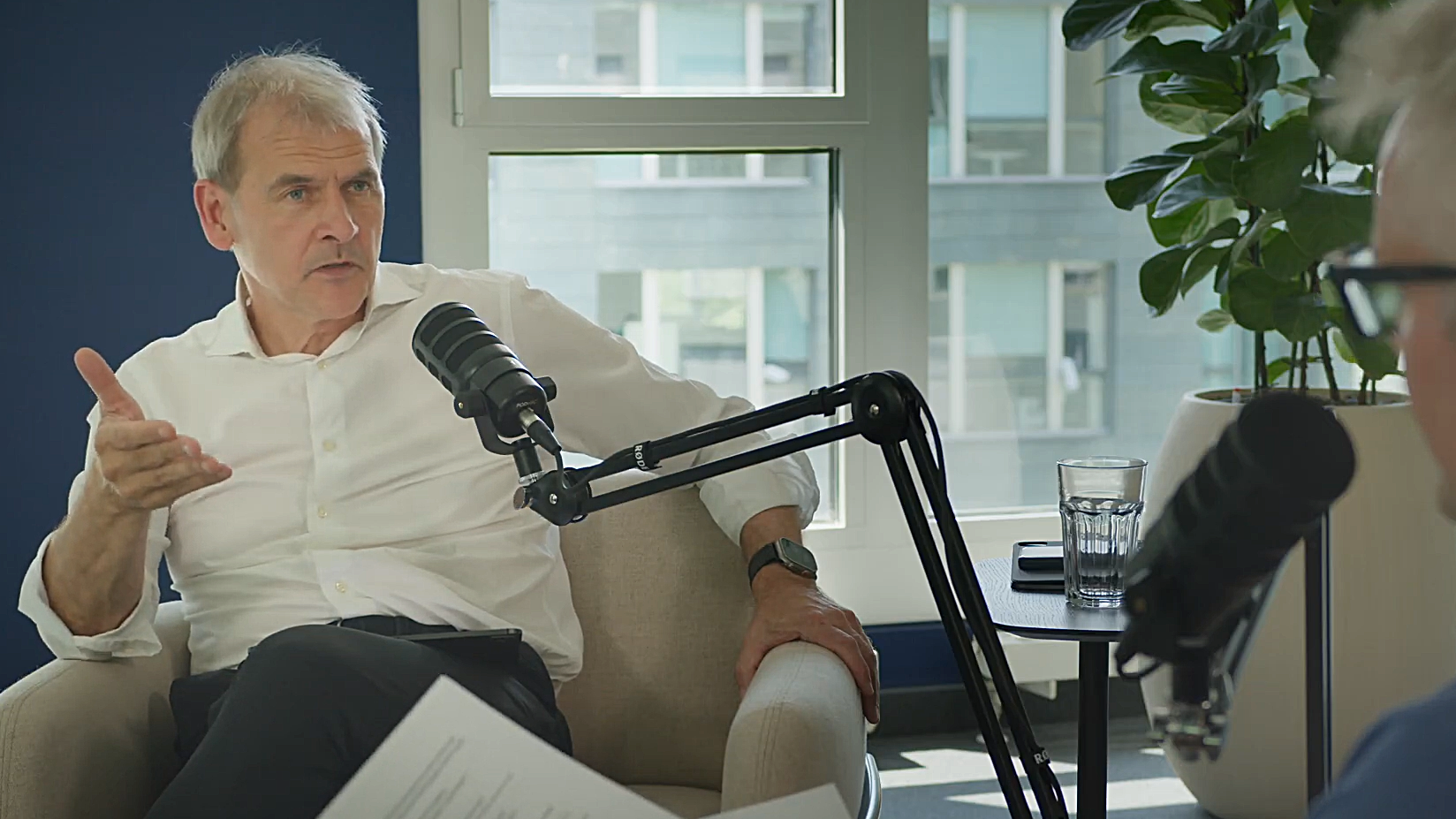
 Unfortunately, those who play by the rules are the ones who lose out.13/08/2026. Fake shops and manipulated reviews harm not only consumers but the whole of online retail. Dr. Carsten Föhlisch talks to Stephan Tromp, Deputy Managing Director of the German Retail Federation (HDE), about the growing threat of online fraud and why trust has become the most important currency in e‑commerce.Unfortunately, those who play by the rules are the ones who lose out.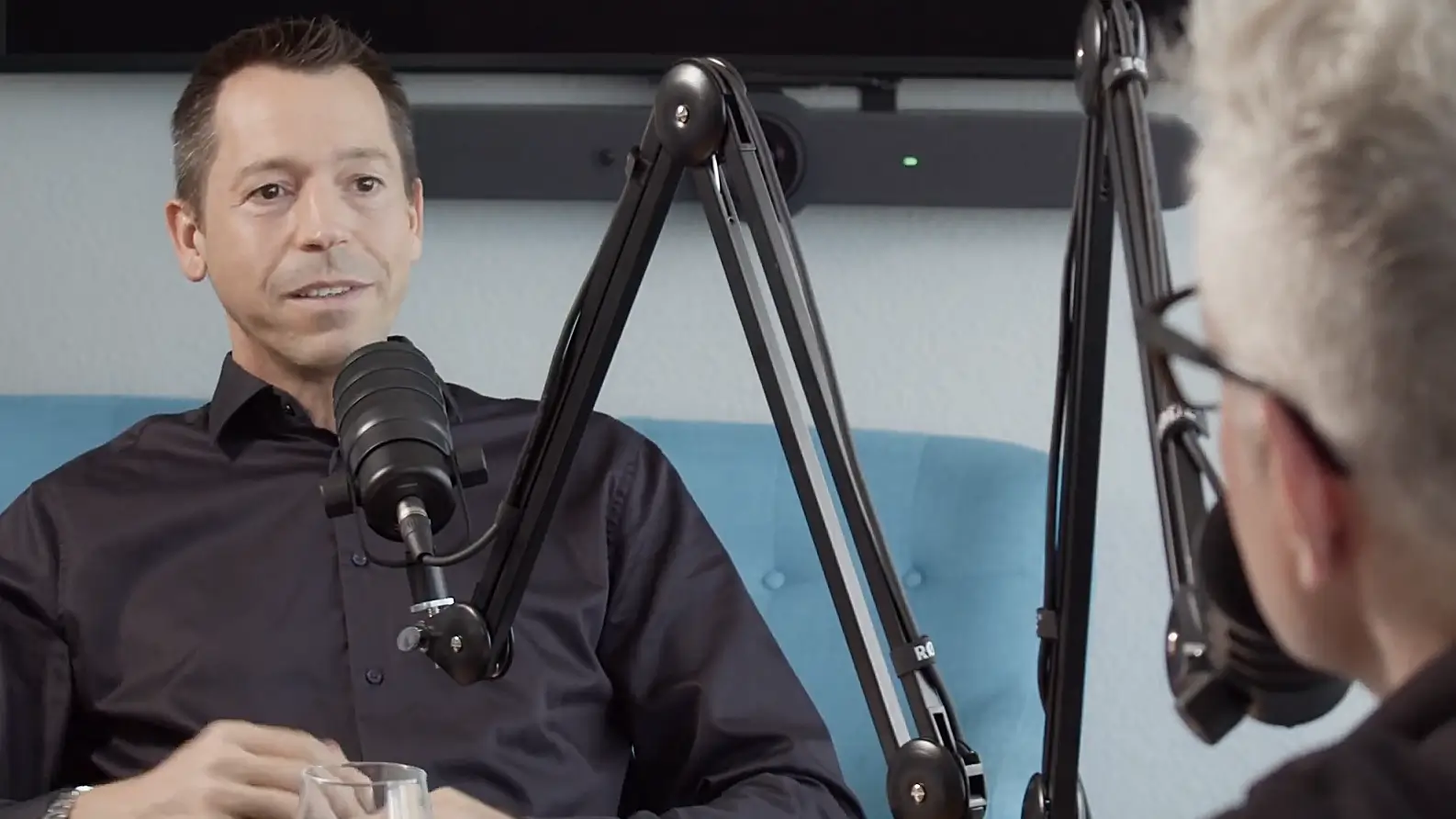
 When emotions play a role, rationality goes out the window.28/07/2026. Why do we often trust a website within seconds? And why is a professional design often enough to switch off our critical thinking? Dr. Carsten Föhlisch talks to Michael Rasimus, head of the eye-tracking lab at DHBW Karlsruhe, about the psychology behind fake shops and online fraud, and what eye tracking reveals about where people really look.When emotions play a role, rationality goes out the window.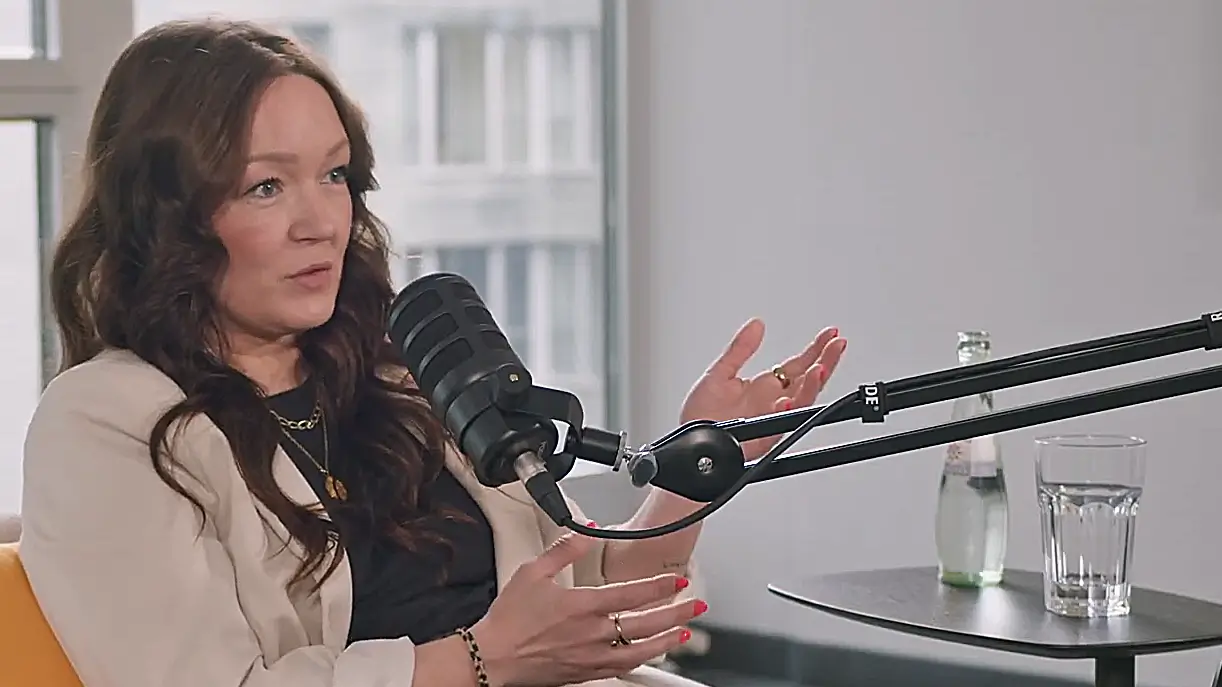
 Fake shops with AI: highly professional, fast-rising fraud.29/05/2026. Fake shops can hardly be told apart from real ones any more – AI makes it possible, and the numbers show online fraud is rising sharply. Dr. Carsten Föhlisch talks to Isabelle Rosière, Managing Director of Deutschland sicher im Netz e.V. (DsiN), about the rapid professionalisation of online fraud and what it means for consumers.Fake shops with AI: highly professional, fast-rising fraud.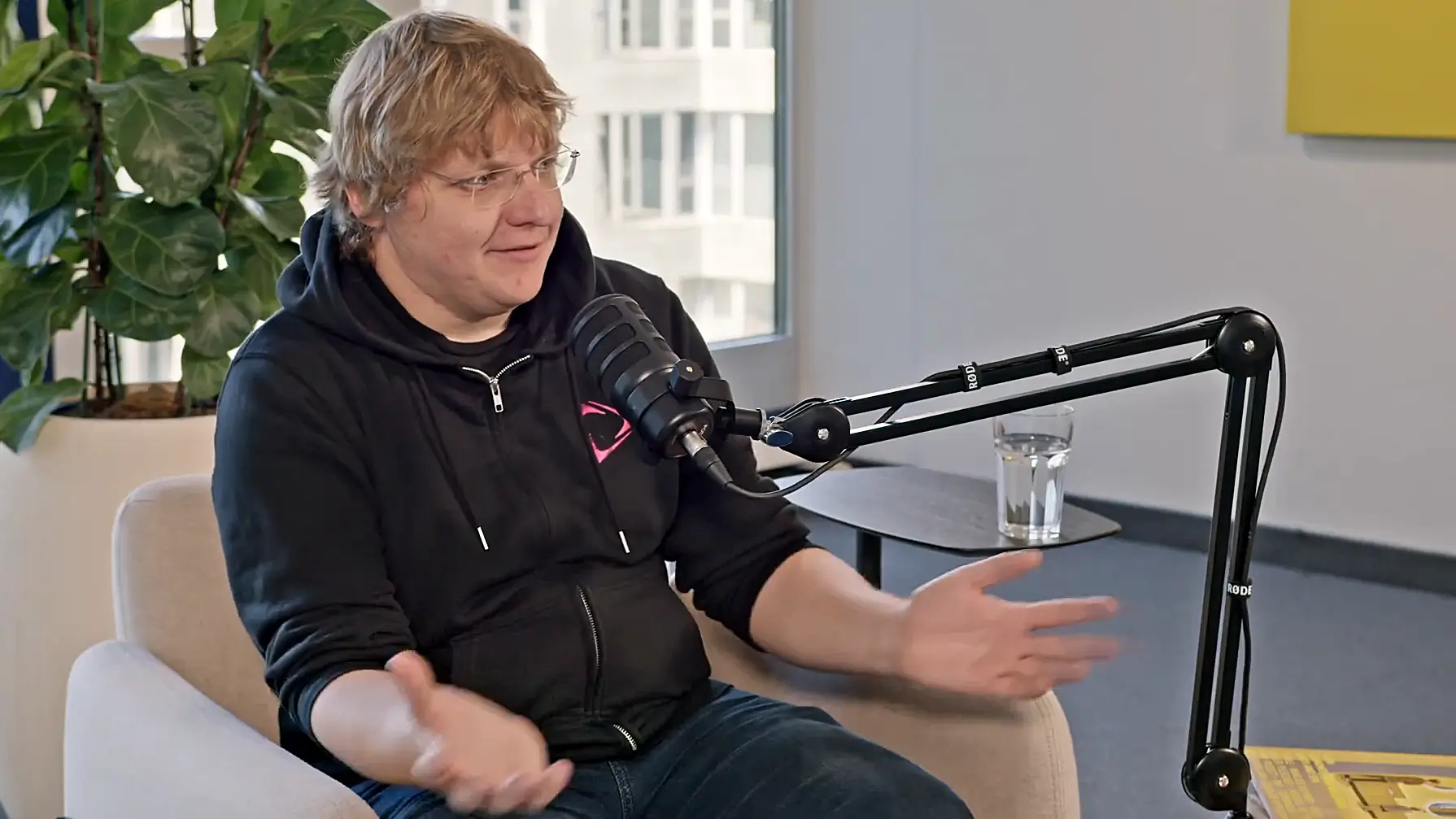
 76,000 fake shops uncovered: the industrial scale of global e‑commerce fraud.18/05/2026. When Matthias Marx started investigating open data leaks on the internet, he came across something he couldn't place at first: thousands of professionally designed web shops on the same technical base, with hidden code to skim credit card data. What followed was the discovery of BogusBazaar, a criminal network of more than 76,000 fake shops, run like a real company from China.76,000 fake shops uncovered: the industrial scale of global e‑commerce fraud.
 Differentiating the indifferent for a 20% conversion uplift.14/04/2026. Electricity and gas are invisible products. That's exactly why trust at E wie Einfach is not a phrase but a conversion strategy. Roman Philippi tells Jean-Marc Noël how the Cologne-based E.ON subsidiary brings innovation, customer focus and measurable trust signals together in a highly regulated market – and what difference a trustmark really makes at checkout.Differentiating the indifferent for a 20% conversion uplift.
 From negative reviews to pure anticipation: rewriting the customer experience through feedback.03/11/2025. How do you build trust in a market where products need explaining – and scale internationally with it? Kevin Föllmer, Head of Sales at DF Automotive, describes the journey from the first unique selling point (“Which part fits my car?”) to a buying experience that systematically removes uncertainty.From negative reviews to pure anticipation: rewriting the customer experience through feedback.
 Meraki in e‑commerce: how radically authentic storytelling beats a falsified market.24/07/2025. It all started with a few bottles of olive oil and a dream: as a student, Floris Reurts brought fresh olive oil from Crete to the Netherlands – and soon realised he was onto something bigger. Today Gkazas.com is a growing online brand. Floris tells Jean-Marc Noël how he built it by focusing on origin, transparency and trust.Meraki in e‑commerce: how radically authentic storytelling beats a falsified market.
 Always remember what makes you unique – it’s what makes you grow.07/07/2025. Every bag one of a kind, made from real fire hose – that's the idea behind Feuerwear. CEO Robert Klüsener talks to Jean-Marc Noël about sustainable production, building a direct-to-consumer shop and how e‑commerce works when every product exists only once – and why reviews and the Trusted Shops trustmark matter.Always remember what makes you unique – it’s what makes you grow.
 Be the exact fit when it matters: how precision products win through precise UX.03/04/2025. Custom-made sheet metal, an online configurator and more than 10,000 orders a year: Kantfuchs24 shows how a seemingly simple product can change B2B e‑commerce. The real success factor? Trust. Frank Schulz, COO and co-founder, tells Jean-Marc Noël how speed, precision and customer focus made the company a pioneer.Be the exact fit when it matters: how precision products win through precise UX.
 AI creates opportunity only if customers trust what you do with it.11/03/2025. Data protection, artificial intelligence, influencer marketing – e‑commerce is changing fast. Pixum has been a leader in photo products for 25 years, but competition is tougher than ever. Pixum CEO Daniel Attallah talks to Jean-Marc Noël about how transparency, data security and the Trusted Shops trustmark keep customers' trust.AI creates opportunity only if customers trust what you do with it.
More from #trstd casts
- A large number of reviews is a major factor for AI.22/09/2026. E‑commerce is changing fast: customers expect good products, fair prices and a smooth experience, while AI and agentic commerce change how people discover and buy products. Bastian Kolmsee, COO of Trusted Shops, talks to David Rissmann, Head of Strategy and Chief of Staff at Flaconi, about the beauty retailer's path from start-up to international e‑commerce company.A large number of reviews is a major factor for AI.
 Customer feedback is our main learning source.25/08/2026. 10,000 reviews, AI and a new course in e‑commerce: from fashion brand with physical stores to modern omnichannel retailer, More & More has gone through a full digital transformation. Jean-Marc Noël, CEO and founder of Trusted Shops, talks to Thomas Forstpointner, Head of E‑Commerce at More & More, about the challenges along the way and how trust works digitally.Customer feedback is our main learning source.
- Unfortunately, those who play by the rules are the ones who lose out.13/08/2026. Fake shops and manipulated reviews harm not only consumers but the whole of online retail. Dr. Carsten Föhlisch talks to Stephan Tromp, Deputy Managing Director of the German Retail Federation (HDE), about the growing threat of online fraud and why trust has become the most important currency in e‑commerce.Unfortunately, those who play by the rules are the ones who lose out.
- When emotions play a role, rationality goes out the window.28/07/2026. Why do we often trust a website within seconds? And why is a professional design often enough to switch off our critical thinking? Dr. Carsten Föhlisch talks to Michael Rasimus, head of the eye-tracking lab at DHBW Karlsruhe, about the psychology behind fake shops and online fraud, and what eye tracking reveals about where people really look.When emotions play a role, rationality goes out the window.
- Fake shops with AI: highly professional, fast-rising fraud.29/05/2026. Fake shops can hardly be told apart from real ones any more – AI makes it possible, and the numbers show online fraud is rising sharply. Dr. Carsten Föhlisch talks to Isabelle Rosière, Managing Director of Deutschland sicher im Netz e.V. (DsiN), about the rapid professionalisation of online fraud and what it means for consumers.Fake shops with AI: highly professional, fast-rising fraud.

 Hard lessons in logistics, drop-shipping and agency red flags.28/05/2026. Made to measure, down to the centimetre: what DIY stores can't do, Grimberg GmbH turned into a business model. Maurice Grimberg and his sister Leonie run the family company from Sievern, started by their father in 2004 in a hallway, as a modern e‑commerce business with more than 130,000 customers in Germany and the Benelux. How do you notice that an agency doesn't really understand your product – and when do you act on it?Hard lessons in logistics, drop-shipping and agency red flags.
- 76,000 fake shops uncovered: the industrial scale of global e‑commerce fraud.18/05/2026. When Matthias Marx started investigating open data leaks on the internet, he came across something he couldn't place at first: thousands of professionally designed web shops on the same technical base, with hidden code to skim credit card data. What followed was the discovery of BogusBazaar, a criminal network of more than 76,000 fake shops, run like a real company from China.76,000 fake shops uncovered: the industrial scale of global e‑commerce fraud.
- Differentiating the indifferent for a 20% conversion uplift.14/04/2026. Electricity and gas are invisible products. That's exactly why trust at E wie Einfach is not a phrase but a conversion strategy. Roman Philippi tells Jean-Marc Noël how the Cologne-based E.ON subsidiary brings innovation, customer focus and measurable trust signals together in a highly regulated market – and what difference a trustmark really makes at checkout.Differentiating the indifferent for a 20% conversion uplift.
 Trust rocks the cradle: crowdfunding and D2C from scratch.11/03/2026. Starting from zero with a completely unknown product, you need one thing above all: trust. Hendrik Mahncke, founder of Rock My Sleep, knew that from the start. He tells Jean-Marc Noël how a crowdfunding campaign and an idea on a sheet of paper became a serious e‑commerce business, and how an unknown brand earns the trust of parents.Trust rocks the cradle: crowdfunding and D2C from scratch.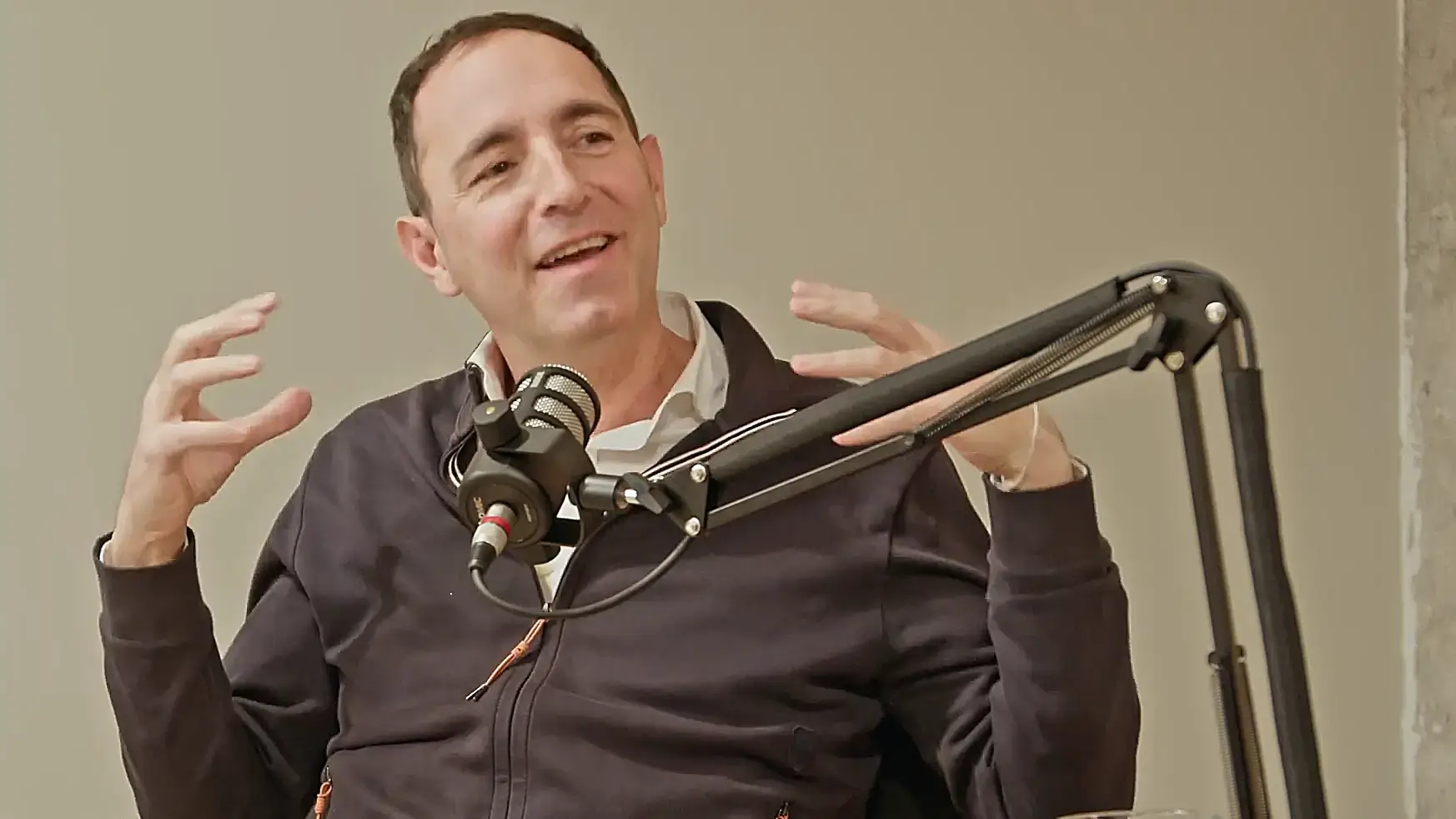
 Market realities: navigating regional differences and subscriptions.12/01/2026. “There are moments when you feel like giving up – and that's often when it becomes clear whether a business will truly grow.” Jean-Marc Noël talks to Marius Rossel, founder and CEO of the Spanish e‑commerce agency TRILOGI, about 25 years of entrepreneurship, technological change and why trust is a decisive success factor in the Spanish market.Market realities: navigating regional differences and subscriptions.
- From negative reviews to pure anticipation: rewriting the customer experience through feedback.03/11/2025. How do you build trust in a market where products need explaining – and scale internationally with it? Kevin Föllmer, Head of Sales at DF Automotive, describes the journey from the first unique selling point (“Which part fits my car?”) to a buying experience that systematically removes uncertainty.From negative reviews to pure anticipation: rewriting the customer experience through feedback.
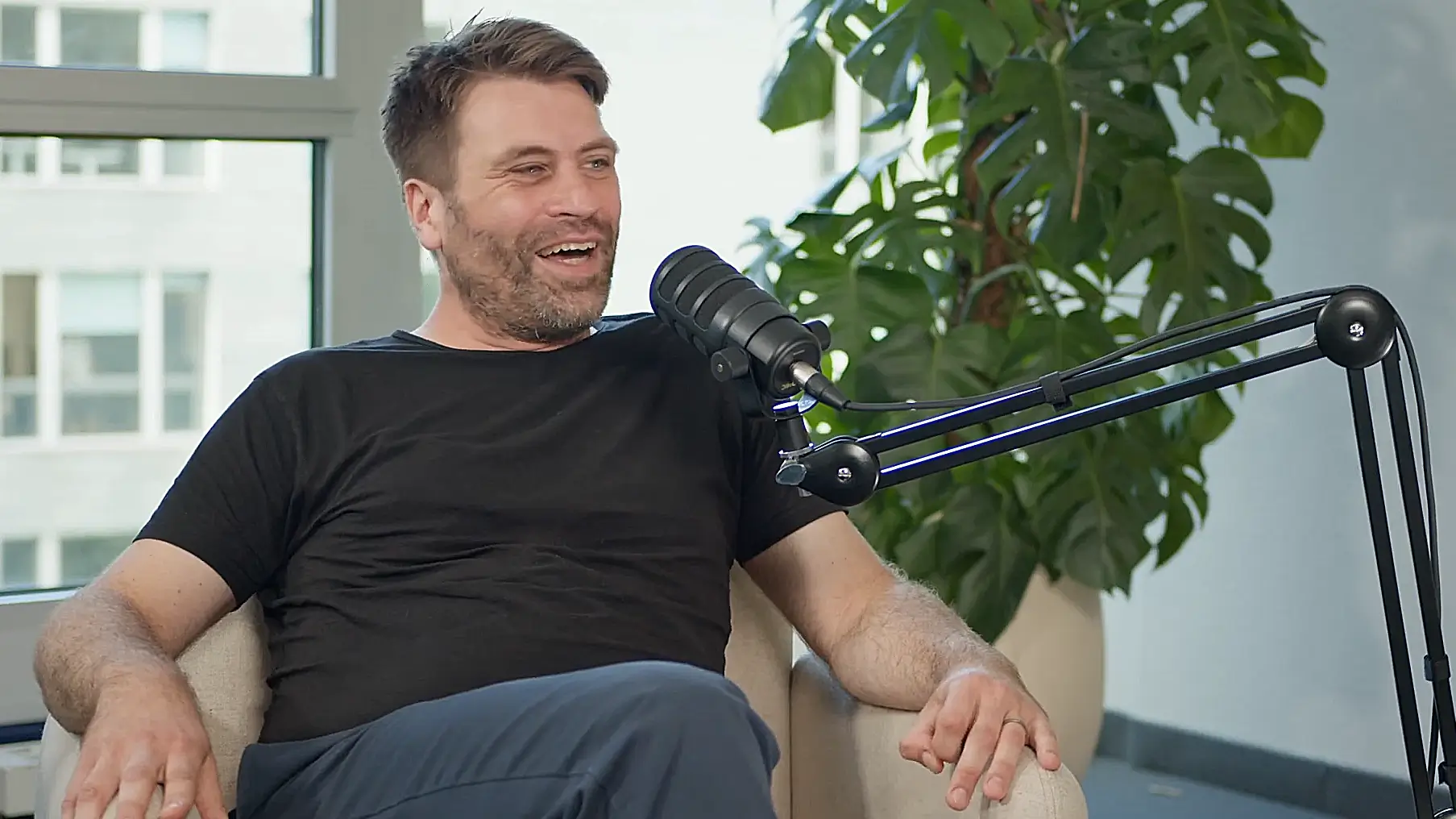
 A shop for a beloved brand has to carry its DNA.18/09/2025. Iconic football pictures turned into a complete shop: the 11FREUNDE shop sells wall art, retro jerseys, accessories, books – and tickets. Shop manager Mattias Benesch explains to Jean-Marc Noël why trust in e‑commerce is more than a nice-to-have, and how to sell high-priced products online to a community that is critical of consumerism.A shop for a beloved brand has to carry its DNA.