Be the exact fit when it matters: how precision products win through precise UX.
03/04/202533:31E‑commerceVerifiable trust

The audio player is provided by Letscast, which sets cookies.
Custom-made sheet metal, an online configurator and more than 10,000 orders a year: Kantfuchs24 shows how a seemingly simple product can change B2B e‑commerce. The real success factor? Trust. Frank Schulz, COO and co-founder, tells Jean-Marc Noël how speed, precision and customer focus made the company a pioneer.
Comment onYouTube (opens in a new window)
Original language: German
In this episode: Jean‑Marc Noël, Frank Schulz (Kantfuchs24)
Transcript
# Community of Trust — KantFuchs24.de with Frank Schulz
Frank Schulz: I googled who the managing director was. Fortunately, he was also still the founder.
And I thought: let's see how he reacts.
So I wrote to you on LinkedIn, Jean-Marc, and said:
"Dear Mr Noël, if you would like to know what your customers — and I am one of your customers — think about certain processes in your company, you're welcome to get in touch with me."
That actually became a game changer, because you replied within an hour.
And I thought: wow, that's a different level from what I expected.
Jean-Marc Noël: Community of Trust, the podcast. Today with Frank Schulz, CMO and COO of KantFuchs24.
Today I'm speaking with Frank Schulz, co-founder, CMO and COO of KantFuchs24.de, and of course a Trusted Shops member.
KantFuchs24, from Mönchengladbach, is a company that produces individual, made-to-measure sheet metal and profiles for tradespeople and, I would say, anyone who is practically minded.
So this episode is about B2B online shops.
Frank will take us step by step through the many challenges they've overcome, what trust has to do with it, and perhaps how you can apply some of those lessons yourself.
Frank, a very warm welcome to Community of Trust.
Perhaps you can briefly introduce yourself and also tell us how the two of us met.
Frank Schulz: Thank you very much for the kind words and the introduction, Jean-Marc.
My name is Frank Schulz.
I'm co-founder, CMO and COO at KantFuchs24.
I'm responsible for marketing, sales and logistics, and I'm one of the four founders of the project.
In 2021, we started thinking about the market.
We saw a market with a lot of potential where there wasn't yet a really large competitor.
We founded the company in 2021 and developed the online shop literally from a white paper, from scratch.
Then, in August, we put the online shop live.
So it was a genuine start-up.
And I think that's one of the first important points when you start a business: think about the business model beforehand, and have the right people involved from the beginning.
Founders who approach it with passion and who have the expertise to move something forward.
That was the case for us.
Jean-Marc Noël: Tell us what I can actually buy from you.
What is KantFuchs? And why "Kant" and why "Fuchs"?
Frank Schulz: At the very beginning, it was a brainstorming session with the other shareholders.
We make customised products — individually manufactured products.
That includes window sills, wall copings, and basically everything where sheet metal can be manufactured individually.
Previously, you could mainly get these things from a DIY store.
But they weren't customised.
You then had to adapt them yourself on site.
That was basically our starting point.
We've grown since then and expanded the product portfolio considerably, but we'll probably come back to that in more detail.
Jean-Marc Noël: What makes the online shop special for tradespeople or DIY customers?
Frank Schulz: First of all, our product — customised sheet metal or sheet metal made to measure — isn't really a sexy product.
You could put it a little more elegantly and call it a low-interest product.
But it's a very useful and important product.
If you want to operate in this space, you need to find your own USP.
And that also takes us to the founding idea and the name KantFuchs24.
"Kant" refers to bending or folded edges, "Fuchs" — fox — is known as a clever animal, and 24 means available 24 hours.
We thought KantFuchs24 fitted us very well.
That's how the name was born.
Jean-Marc Noël: I think it's genuinely brilliant.
As you say, this really isn't a standard off-the-shelf product.
And we'll definitely talk about the biggest challenges in building it, because logistics, technology and so on obviously play an enormous role.
But first, let's go back to how the two of us met.
I found that story particularly interesting, and I think it's relevant to the topic of trust for everyone listening.
How did it happen?
Frank Schulz: I'm glad you said you didn't find it funny at the time.
Today we can both laugh about it.
But we met because I was very dissatisfied.
We had received fake reviews on Trusted Shops.
Jean-Marc Noël: Right.
Frank Schulz: We had fake reviews, and I wasn't really satisfied with the response from the review team.
With the first one, I swallowed it, reported it and asked for it to be removed.
Then it happened a second time.
It took a while and the request was rejected.
And it was rejected even though, without going into all the details now, it was obviously fake.
I was very dissatisfied.
So much so that I started asking myself whether Trusted Shops was still the right partner.
Of course genuine reviews — positive or negative — have to stay.
Every online shop has a responsibility to make sure that reviews are justified, in both directions.
But negative reviews that are not genuine need to be removed quickly, because of course they affect the rating.
A simple example: if you have one four-star review, you need a lot of five-star reviews to compensate for it.
And if you have two one-star reviews, the number becomes much larger.
So that has a real impact.
Jean-Marc Noël: And that illustrates exactly what you're saying.
Especially in your market, potential customers use reviews and the Trusted Shops rating to judge your performance.
So it matters enormously.
Frank Schulz: Absolutely.
At some point I thought: is Trusted Shops still the right partner?
Then I googled who the managing director was.
Fortunately, you were also still the founder.
And I thought: let's see how he reacts.
So I wrote to you on LinkedIn:
"Dear Mr Noël, if you would like to know what your customers — and I am one of your customers — think about certain processes in your company, you're welcome to get in touch."
I'd previously been managing director of a company with more than 250 employees myself.
And I thought: I'd respond to a message like that. Let's see if he does.
And that was actually a game changer.
You responded within an hour.
We arranged a video call for the same day.
And I thought: wow, that's already a very different level from what I expected.
Then I gave you the facts — all the information.
And, correctly, you didn't just take my word for it. You checked it first.
We set up another video call for the next day.
By then, you had reviewed everything.
And fortunately — although it wasn't especially difficult once you looked at the substance rather than just processing the case — you came to the same conclusion.
I said to you at the time that I think it's incredibly important to put yourself in the customer's mindset.
That's the only way to be successful in the long term.
Jean-Marc Noël: That was really decisive for us as well.
For me personally, it was important to understand first how important this issue was, and then to ask what it meant for us at Trusted Shops.
We have an obligation to our customers to understand where the problem is and how we can solve it.
I really liked that exchange.
We spoke on the phone several times.
And then you told me: "I'm in Nuremberg anyway, I'll come by and we'll have a coffee."
And I thought: okay, we can work with this guy.
That's why I'm particularly pleased to have you on the podcast today.
But let's look at you, your company and your online shop.
Beyond Trusted Shops, what are the biggest challenges for you today?
And perhaps you have some tips for listeners who are in a similar situation with a highly specialised shop.
Frank Schulz: I think I said it at the beginning.
You need the necessary expertise.
And beyond that, it's all about passion.
You have to develop passion for what you're doing.
We have that.
In terms of our shareholder structure, two of the partners are major roofing companies with substantial machinery — including bending machines.
So from the beginning, we already had a very good base for building something that would normally have required millions in investment.
The equipment was already there.
One of the shareholders is a programmer, and he still implements all of our digital processes today.
That was a huge advantage.
From the beginning, we also worked with SAP and with Trusted Shops.
We were lucky because we didn't have to modify old structures.
We could organise everything from scratch in the way we thought was right.
Of course, if you start directly with SAP, Trusted Shops and high-quality ERP systems, you need a certain amount of capital.
But we had a good shareholder structure.
Everyone believed in the idea and was passionate about it.
At the beginning, we started with three people working hands-on in the business.
Today, after around four years, we're at roughly twelve or thirteen employees.
We're quite proud of that growth.
Jean-Marc Noël: Very nice.
With this kind of online shop, I can imagine there is a certain hesitation to order.
Especially in the trades, people may want to touch the product first.
Yet you've developed strongly, you have a lot of orders, and your Trusted Shops rating is around 4.9 — almost unbelievably high.
What's the recipe?
You mentioned logistics.
These aren't things you can put in your pocket.
What tips would you give someone entering such a specialised market?
Frank Schulz: We've already said that what we sell is a low-interest product.
But I like to use a line for it:
We make ordinary things extraordinarily well.
A piece of sheet metal that's manufactured individually has to be millimetre-accurate.
The angle has to be exact.
And after it comes out of the machine, it still has to get from the production site to the customer in perfect condition.
Around 95% of all orders are shipped within two days, three days at the latest.
And remember: these are all customised products.
Last year, we processed more than 10,000 orders.
That's a very large number for this kind of business.
The sheets fit perfectly — provided the customer measures correctly beforehand.
I always tell customers: we deliver what you order.
If somebody measures incorrectly, we're not there on the construction site and we're not standing next to them during the DIY project.
That's why we make the process as clear as possible.
We mark the visible side.
We have a unique configurator.
There isn't another provider with the same kind of freehand 3D configurator.
That means every sheet can be manufactured individually.
There are competitors who offer predefined profiles.
Of course, we do that too.
I think we have one of the largest portfolios of predefined profiles, where the length, leg dimensions and angles can still be customised so that it fits the individual project.
But beyond that, and as far as I know there's nobody else in Germany — perhaps even in Europe — who lets you draw individual sheet-metal parts yourself and then manufactures and delivers exactly that within three days at the latest.
Jean-Marc Noël: So you're really making sure that what I order is manufactured exactly that way, and you're doing it very quickly.
How do you make people aware of that?
I can imagine someone saying: I've known company XY for ten years and I've always bought there.
Why should I suddenly buy from you?
What are your strategies?
Frank Schulz: By nature, if I do something, I do it with passion.
I've been fortunate in my career to help build various brands, some with worldwide recognition.
I don't want to go into all of those details here.
But I wanted to build something again from the ground up.
Back to the roots.
A real start-up.
Before that, I'd also worked in a wonderful company that celebrated its 260th anniversary last year — one of the oldest industrial companies in the world.
But in a company like that, the processes already exist.
Here, we had the opportunity to start from scratch and do things exactly the way we wanted.
That was a great opportunity.
Jean-Marc Noël: But concretely, which marketing channels do you use?
Google Ads?
Are there influencers for sheet metal?
Frank Schulz: We have a specialist in the team who takes care of SEA and SEO.
He has deep experience in that area and moves us forward very effectively.
I personally have spent a lot of time thinking about how to make sure we don't simply burn money.
You can spend almost unlimited amounts.
What matters is putting the money into the right channels.
Google will always tell you: you're missing opportunities; increase your budget and you'll get more.
I've developed a formula that helps us work out when that still genuinely pays off.
Our Google specialist, Murat Özier, can use it to determine the real break-even point.
We calculate deeper than what Google itself tells you.
We do SEA and SEO very professionally.
Jean-Marc Noël: I want to dig into that.
You said you have someone in-house.
So this isn't something where you say: an agency does it for us.
You've identified it as something so important to the business that you keep the expertise inside.
Is that a recommendation you'd give?
Frank Schulz: Definitely.
And I hope no agency owners hate me for saying it.
But SEO and SEA work with keywords.
Agencies normally have many clients and usually don't have the same deep specialist knowledge of one particular industry.
If you're working in SEA and SEO, you have to know the words your customers actually use.
I know examples where companies made exactly that mistake.
A company may internally talk about "wood-cased coloured pencils".
But no parent searches for that.
People search for "colouring pencils" or simply the normal everyday term they use.
So companies wonder why their products aren't being found until they change from internal technical terminology to the language customers actually use.
That's the key:
You have to understand the language of the end customer and use that, not your own internal terminology.
Jean-Marc Noël: So particularly in a specialised area like yours, you need to know which concepts, words and subjects matter.
That's why you keep it internal.
Apart from Google, are there other channels you use?
Perhaps a secret tip?
Frank Schulz: There is one.
In the trades, which are obviously our biggest target group, there's a relatively new community around the Roofers Club and the Dachkrone.
I'd definitely recommend taking a look at that.
Under Dachkrone, you'll find a community where many roofers meet and where awards are given.
Things like: who has the best project in Germany?
Who has the best succession solution?
Succession is a huge topic in the German skilled trades, and not only there.
There are categories for the best project, best digital business, best team cohesion and so on.
We've been involved from the beginning.
We're a premium partner because it gives us direct contact with a very relevant target group — our target group.
Many of them own bending machines.
There are roughly 18,000 roofing companies in Germany.
I estimate perhaps 1,500 of them have their own bending machine, maybe even more.
But then there's the shortage of skilled labour.
For roofing companies, window installers, carpenters and similar trades, the question becomes:
Where does my skilled employee create more value?
On the roof, where they're actually doing the specialist work?
Or standing at the bending machine?
You can learn a lot here from the automotive industry: make or buy.
That's the thought we've adopted.
Every trade business should ask: is it better to manufacture this myself, or buy it from a specialist who can do it better and faster?
We can also buy raw materials in very different quantities, which gives us cost advantages.
Jean-Marc Noël: So if I summarise your advice:
Look for the communities that already exist in your specialist field and become visible there.
You're involved in the Dachkrone community as a premium partner, which puts you directly in contact with your target group.
Looking back, you're still a relatively young start-up.
Are there things where you say: if I did this again, I'd do it differently?
Frank Schulz: I genuinely have to think about that.
We were fortunate because we could start everything from the beginning.
We had experience in the team.
Of course, we still had to test a lot.
But every founder had deep specialist knowledge in their own area.
There were four founding shareholders — today there are five — and each brought their own perspective, expertise and know-how.
And everyone stayed in their own field.
Nobody constantly interfered in everybody else's area.
That brings me full circle back to trust.
That trust between one another is a game changer.
If I were giving advice to other companies, I'd say you need a foundation of trust within the team.
You need expertise.
And it doesn't make sense for the waiter to tell the chef how to cook.
The chef also doesn't need to tell the waiter how to lay out the cutlery.
People need to be excellent in their areas and trust each other.
Jean-Marc Noël: So one very important point is how the team is put together.
You have to choose your partners carefully before you start.
Do you have any concrete tips for listeners — tools, books, resources or anything else that has genuinely helped you?
Frank Schulz: Specialist expertise is the main thing.
If we're talking about Google Analytics, for example, Murat is the right person internally.
He takes care of it.
I go through the details with him, including mathematical topics that support his work.
We discuss changes together.
But I'm not the one sitting there every day making those changes.
From what I see reflected back to me, optimisation is happening constantly.
Google changes continuously.
We spend a significant amount of time every day optimising the analytics and advertising side.
An external agency usually can't give you that same daily depth.
Jean-Marc Noël: And finding people with that expertise is probably difficult.
What's your tip for finding good people?
Frank Schulz: Up until recently, it was extremely difficult to find programmers.
That is still true today.
And the same applies in analytics.
But I think AI will be another game changer.
Things that previously had to be spread across several people can increasingly be supported by AI.
If you have someone who is open to these new tools and genuinely engages with them, that can help counter the shortage of skilled labour.
Jean-Marc Noël: Is that something you're already using today?
Frank Schulz: Of course.
We've used it from the beginning.
It moves us forward enormously.
Jean-Marc Noël: Which tools?
ChatGPT, or something else?
Frank Schulz: We use ChatGPT, including the paid versions, to get deeper input.
The standard version is probably sufficient for private use, but the paid versions can give you more.
We use it, for example, in keyword work — helping identify and structure relevant search terms.
But, Jean-Marc, I think there's something else that's very important:
You must never lose sight of the customer.
We've talked a lot about digitisation and processes.
But you always have to keep the customer in view rather than falling in love with your own ideas.
That's why we have a window-sill planner, a wall-coping planner, and the 3D configurator on our site.
All of these tools make things easier for our target group.
Jean-Marc Noël: They make the customer's life easier.
Frank Schulz: Exactly.
Everything should be simple and intuitive.
And our shop is being developed continuously.
You must never sit back.
Jean-Marc Noël: I think that's a very good closing thought:
Never lose sight of your customer.
Go where your customers actually are.
Speak their language — something you also mentioned in connection with SEO.
That's crucial.
If listeners want to learn more about you or KantFuchs, where should they go?
KantFuchs24.de?
Frank Schulz: Exactly.
www.kantfuchs24.de is the address.
And if I may mention one more thing at the end, we have a new product.
Ecology is important for us too.
We now have drainage channels for terrace construction.
We're the only supplier worldwide making them from Magnelis steel.
It's corrosion-resistant for around 50 years and has self-healing properties.
Jean-Marc Noël: I think I'll come back to that.
I need something like that for my own terrace.
Frank Schulz: They're beautiful.
Jean-Marc Noël: Frank, fantastic. Thank you very much.
That's it for this episode of Community of Trust.
I hope you've taken away valuable and practical tips that you can apply directly in your own online shop.
If you enjoyed the episode, please subscribe to the podcast and leave us a review.
We know how important reviews are.
They help us reach more online retailers and get more people interested in these topics.
You'll find more insights and resources at Trusted Shops, and of course you can become part of our community.
Thank you for listening.
See you in the next episode.
And Frank, thank you very much for joining us today, and best of luck with your online business.
Frank Schulz: Thank you for the invitation.
Jean-Marc Noël: My pleasure.
Community of Trust. Subscribe wherever you get your podcasts.
Share this episode
Get in touch with our team

Because you listened to »Be the exact fit when it matters: how precision products win through precise UX.«
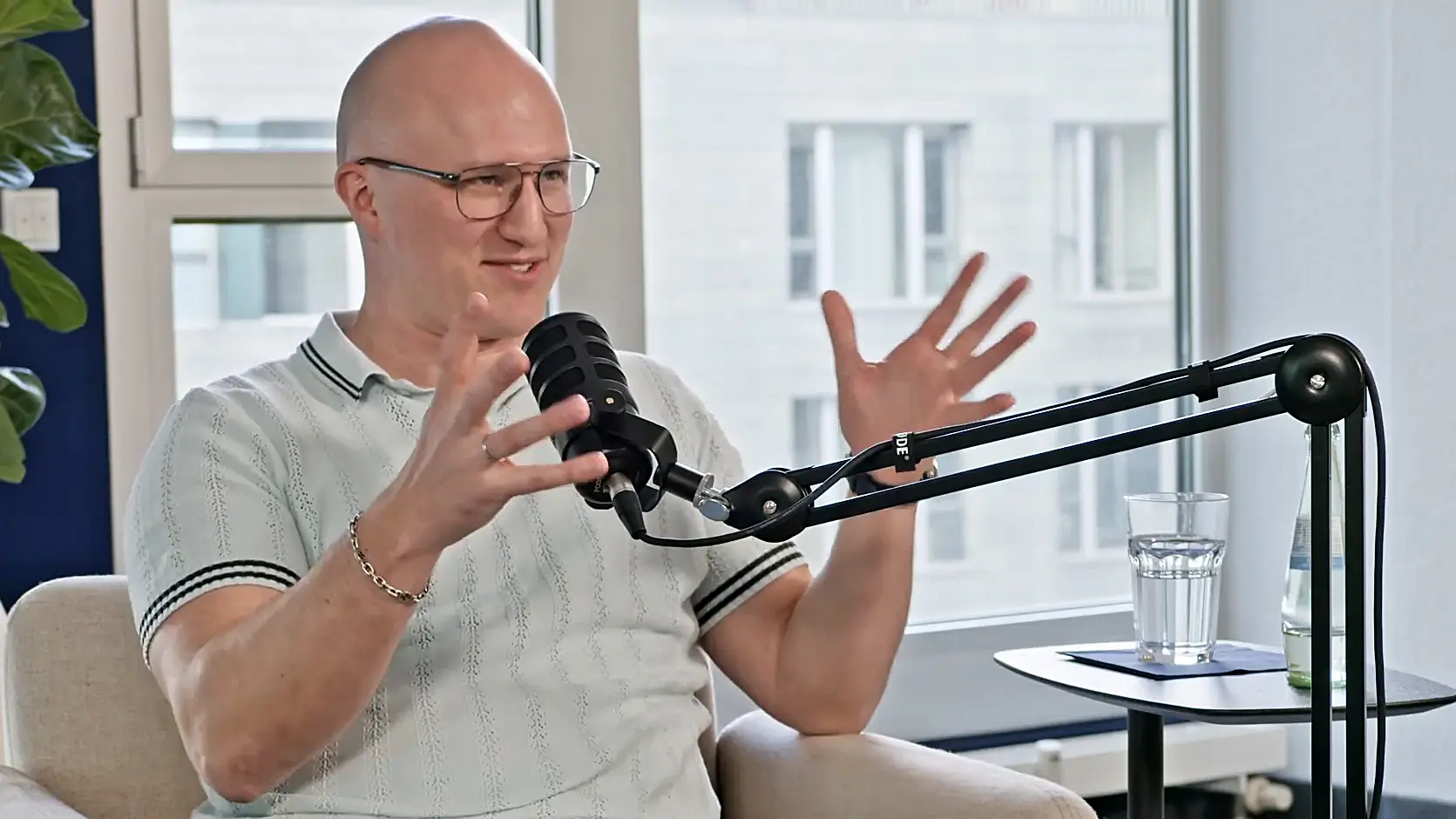
 Differentiating the indifferent for a 20% conversion uplift.14/04/2026. Electricity and gas are invisible products. That's exactly why trust at E wie Einfach is not a phrase but a conversion strategy. Roman Philippi tells Jean-Marc Noël how the Cologne-based E.ON subsidiary brings innovation, customer focus and measurable trust signals together in a highly regulated market – and what difference a trustmark really makes at checkout.Differentiating the indifferent for a 20% conversion uplift.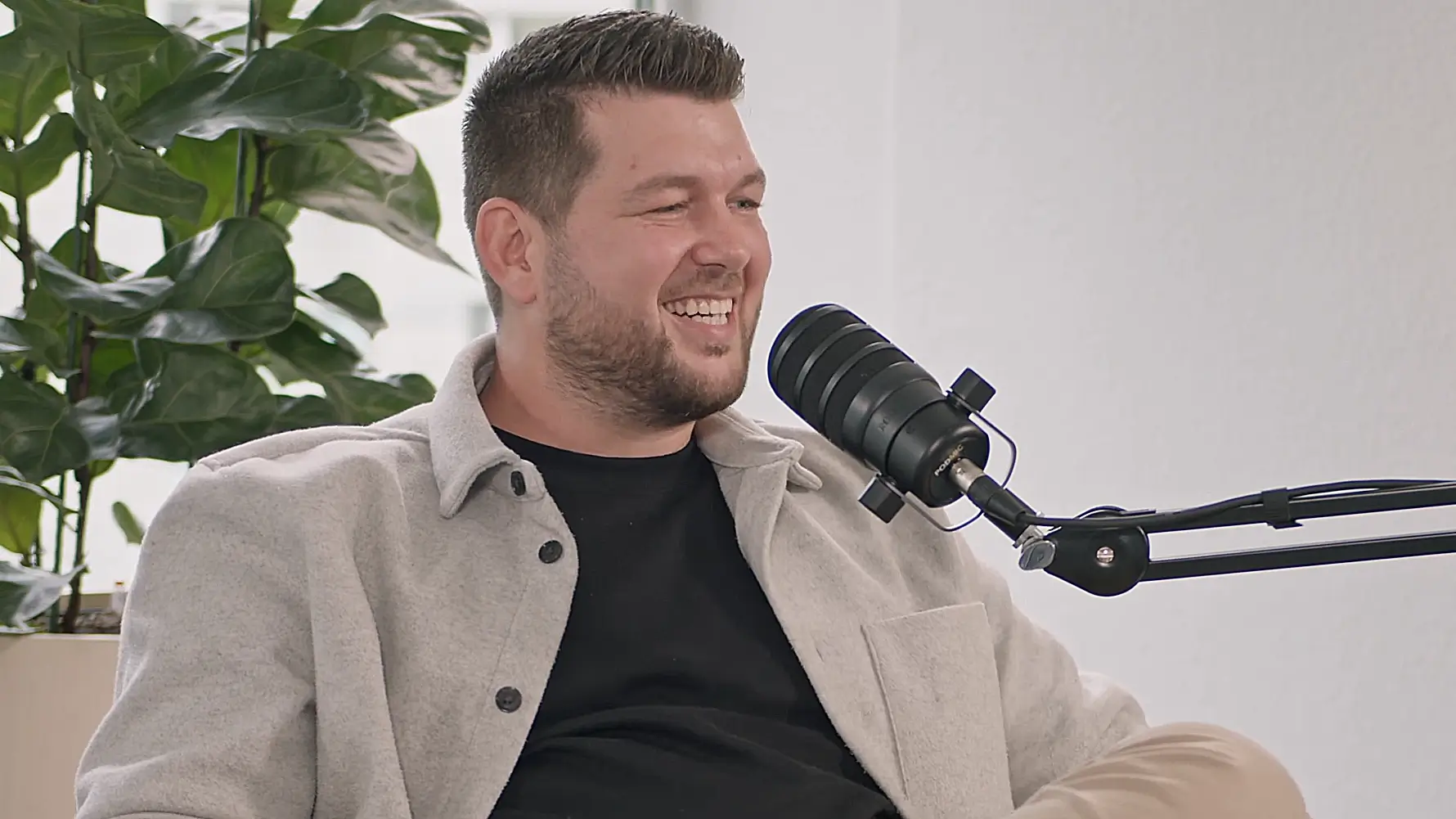
 From negative reviews to pure anticipation: rewriting the customer experience through feedback.03/11/2025. How do you build trust in a market where products need explaining – and scale internationally with it? Kevin Föllmer, Head of Sales at DF Automotive, describes the journey from the first unique selling point (“Which part fits my car?”) to a buying experience that systematically removes uncertainty.From negative reviews to pure anticipation: rewriting the customer experience through feedback.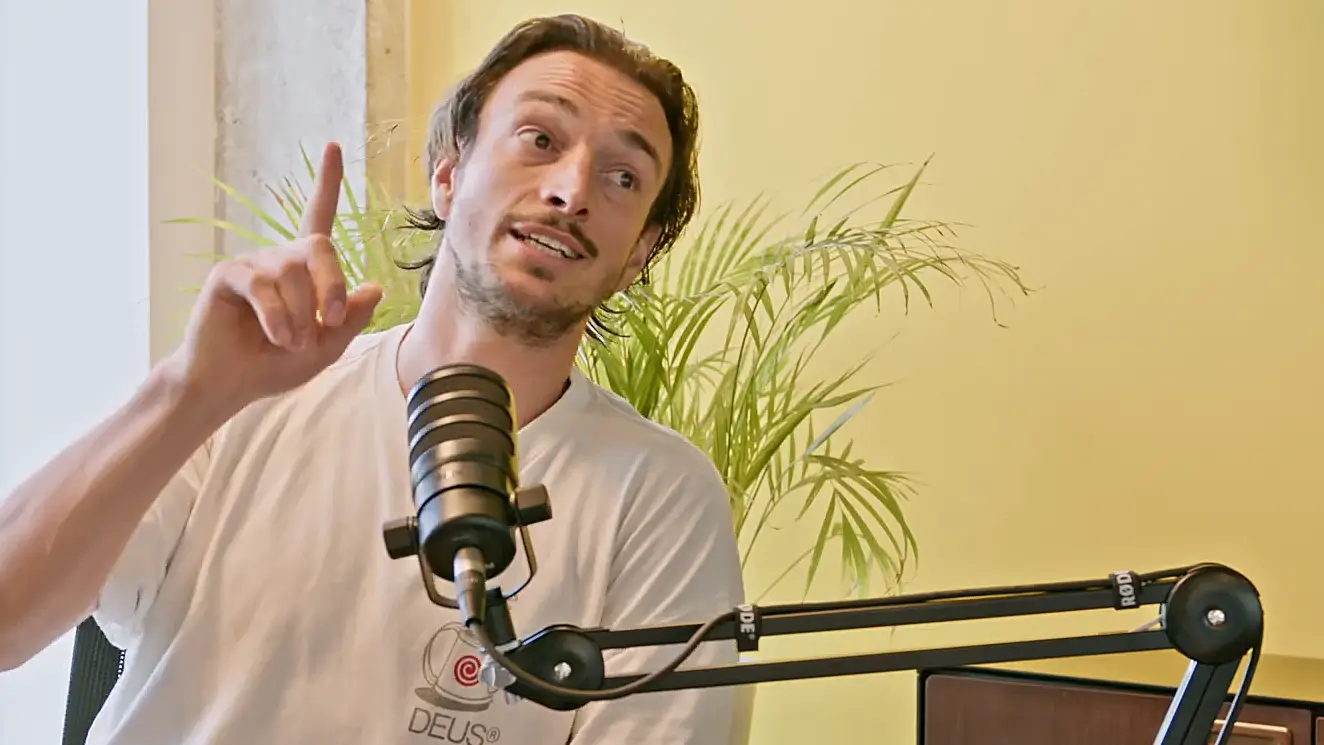
 Meraki in e‑commerce: how radically authentic storytelling beats a falsified market.24/07/2025. It all started with a few bottles of olive oil and a dream: as a student, Floris Reurts brought fresh olive oil from Crete to the Netherlands – and soon realised he was onto something bigger. Today Gkazas.com is a growing online brand. Floris tells Jean-Marc Noël how he built it by focusing on origin, transparency and trust.Meraki in e‑commerce: how radically authentic storytelling beats a falsified market.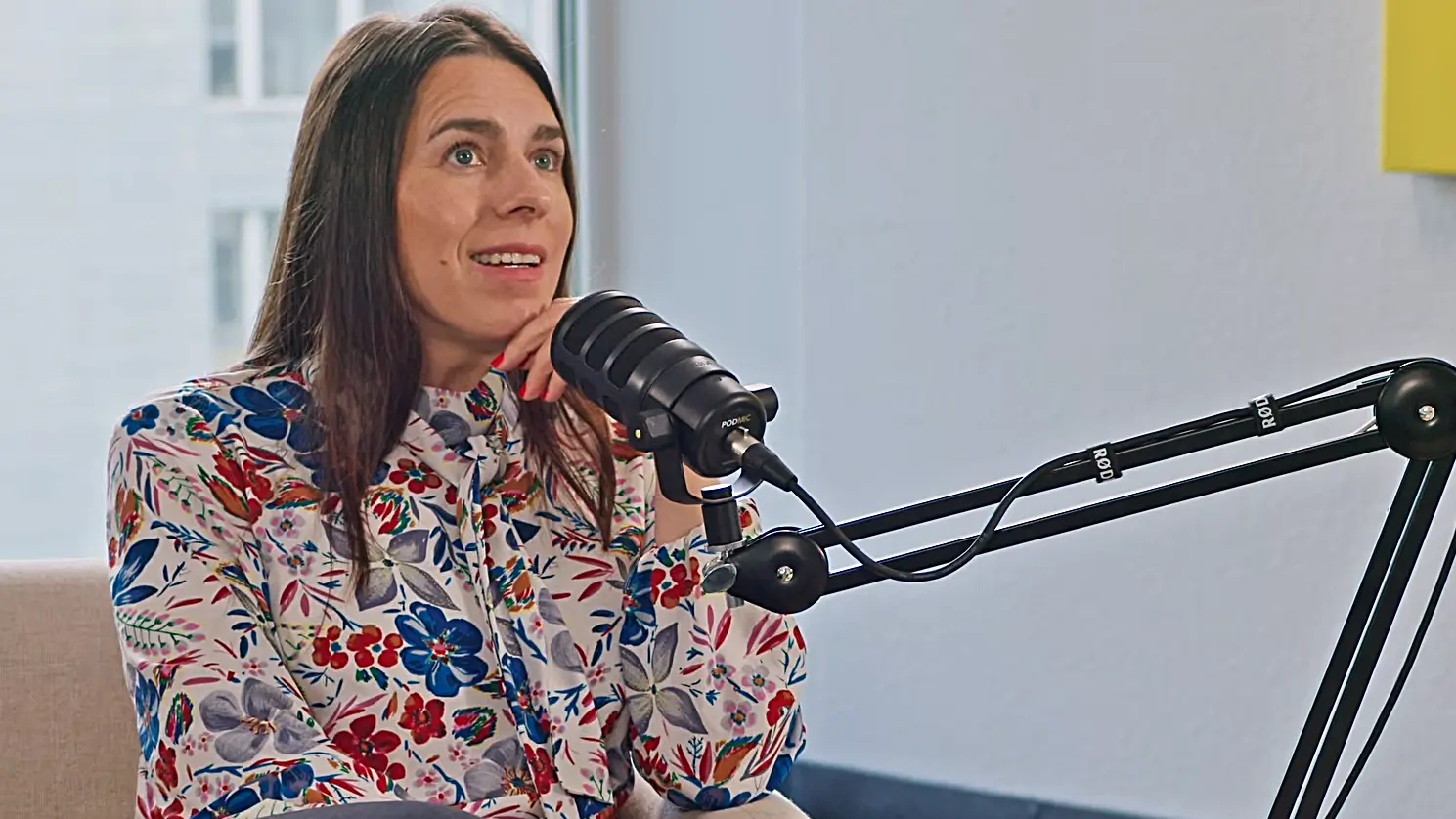
 We require transparent AI. Trust cannot be built without transparency.29/09/2026. Artificial intelligence has long been more than hype – and yet agentic AI is far from reality everywhere. In conversation with Sabrina Engling, Valentina Kerst of the German AI Association (KI Bundesverband) explains where companies stand today, which topics are underestimated and why good data foundations are decisive for the next stage. Kerst sees the biggest gap in data governance: companies need to know which data they have, where it lives, who may access it and how it is structured. Only a reliable data foundation makes it possible to use AI agents meaningfully.We require transparent AI. Trust cannot be built without transparency.
 A large number of reviews is a major factor for AI.22/09/2026. E‑commerce is changing fast: customers expect good products, fair prices and a smooth experience, while AI and agentic commerce change how people discover and buy products. Bastian Kolmsee, COO of Trusted Shops, talks to David Rissmann, Head of Strategy and Chief of Staff at Flaconi, about the beauty retailer's path from start-up to international e‑commerce company.A large number of reviews is a major factor for AI.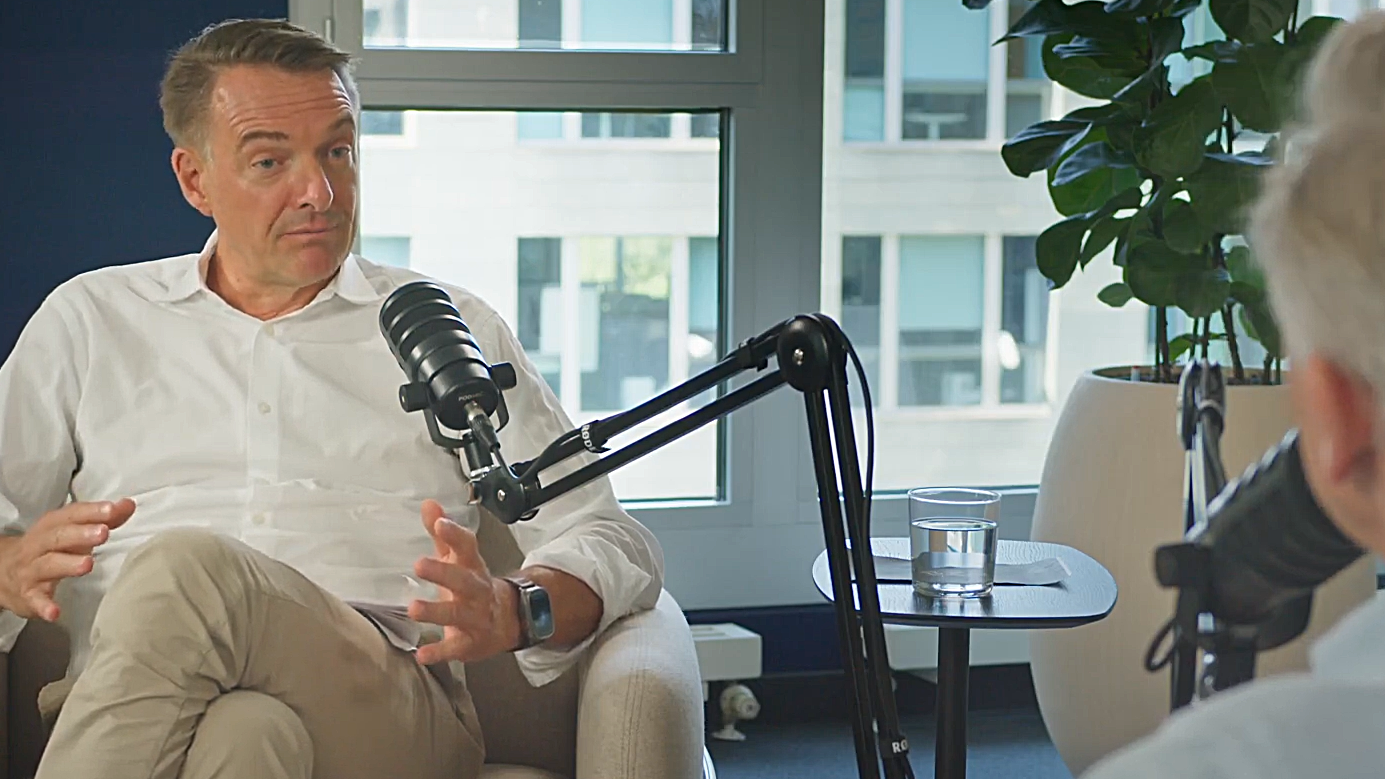
 Customer feedback is our main learning source.25/08/2026. 10,000 reviews, AI and a new course in e‑commerce: from fashion brand with physical stores to modern omnichannel retailer, More & More has gone through a full digital transformation. Jean-Marc Noël, CEO and founder of Trusted Shops, talks to Thomas Forstpointner, Head of E‑Commerce at More & More, about the challenges along the way and how trust works digitally.Customer feedback is our main learning source.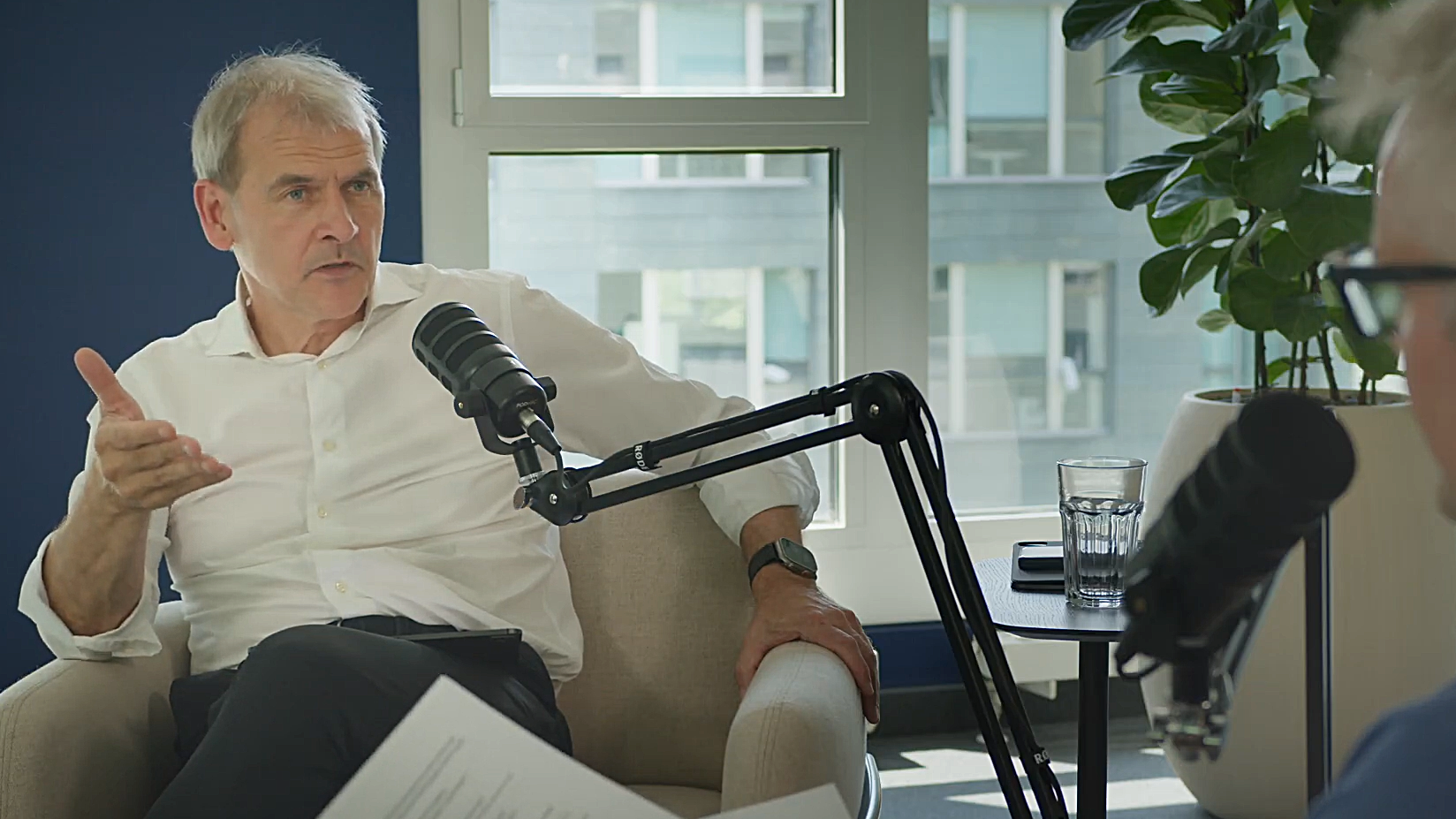
 Unfortunately, those who play by the rules are the ones who lose out.13/08/2026. Fake shops and manipulated reviews harm not only consumers but the whole of online retail. Dr. Carsten Föhlisch talks to Stephan Tromp, Deputy Managing Director of the German Retail Federation (HDE), about the growing threat of online fraud and why trust has become the most important currency in e‑commerce.Unfortunately, those who play by the rules are the ones who lose out.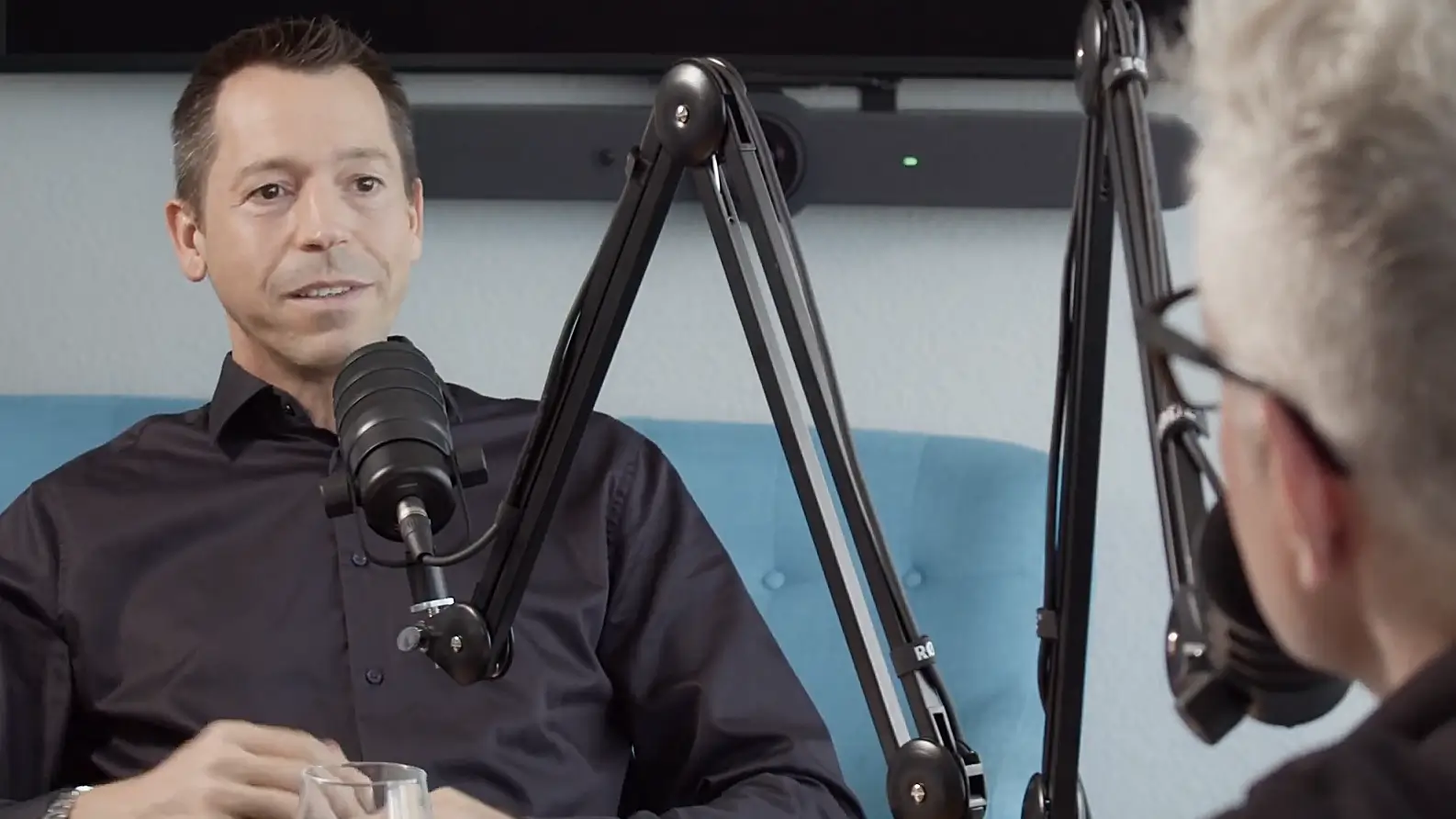
 When emotions play a role, rationality goes out the window.28/07/2026. Why do we often trust a website within seconds? And why is a professional design often enough to switch off our critical thinking? Dr. Carsten Föhlisch talks to Michael Rasimus, head of the eye-tracking lab at DHBW Karlsruhe, about the psychology behind fake shops and online fraud, and what eye tracking reveals about where people really look.When emotions play a role, rationality goes out the window.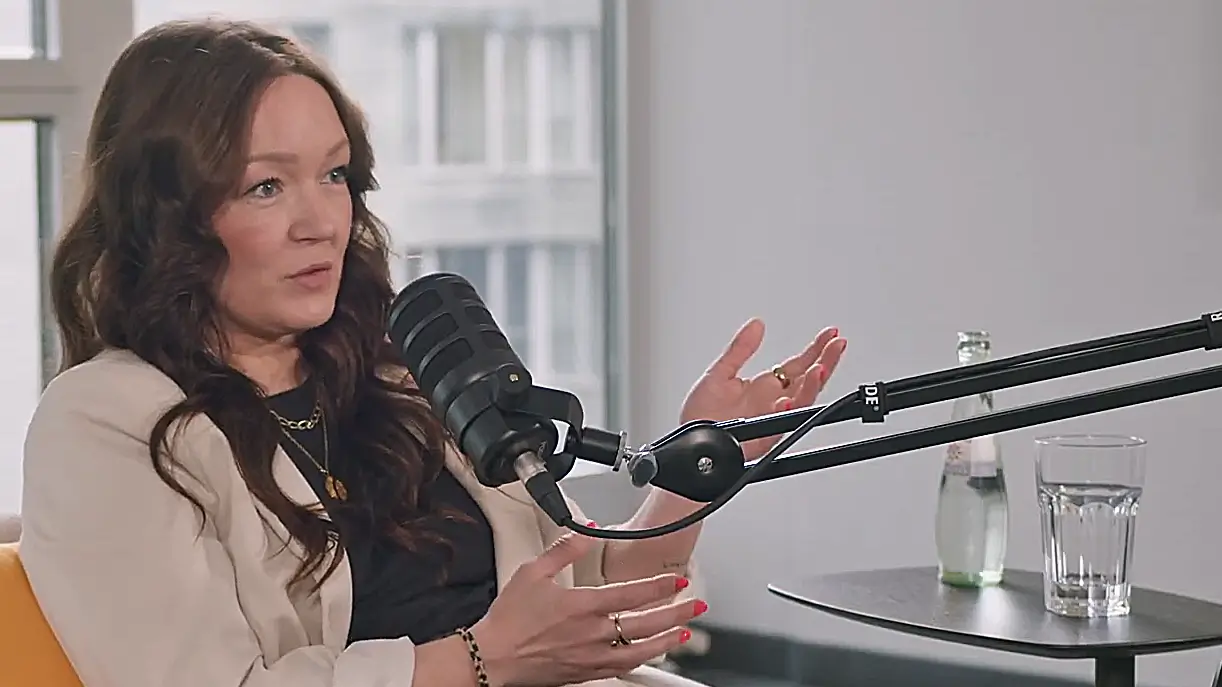
 Fake shops with AI: highly professional, fast-rising fraud.29/05/2026. Fake shops can hardly be told apart from real ones any more – AI makes it possible, and the numbers show online fraud is rising sharply. Dr. Carsten Föhlisch talks to Isabelle Rosière, Managing Director of Deutschland sicher im Netz e.V. (DsiN), about the rapid professionalisation of online fraud and what it means for consumers.Fake shops with AI: highly professional, fast-rising fraud.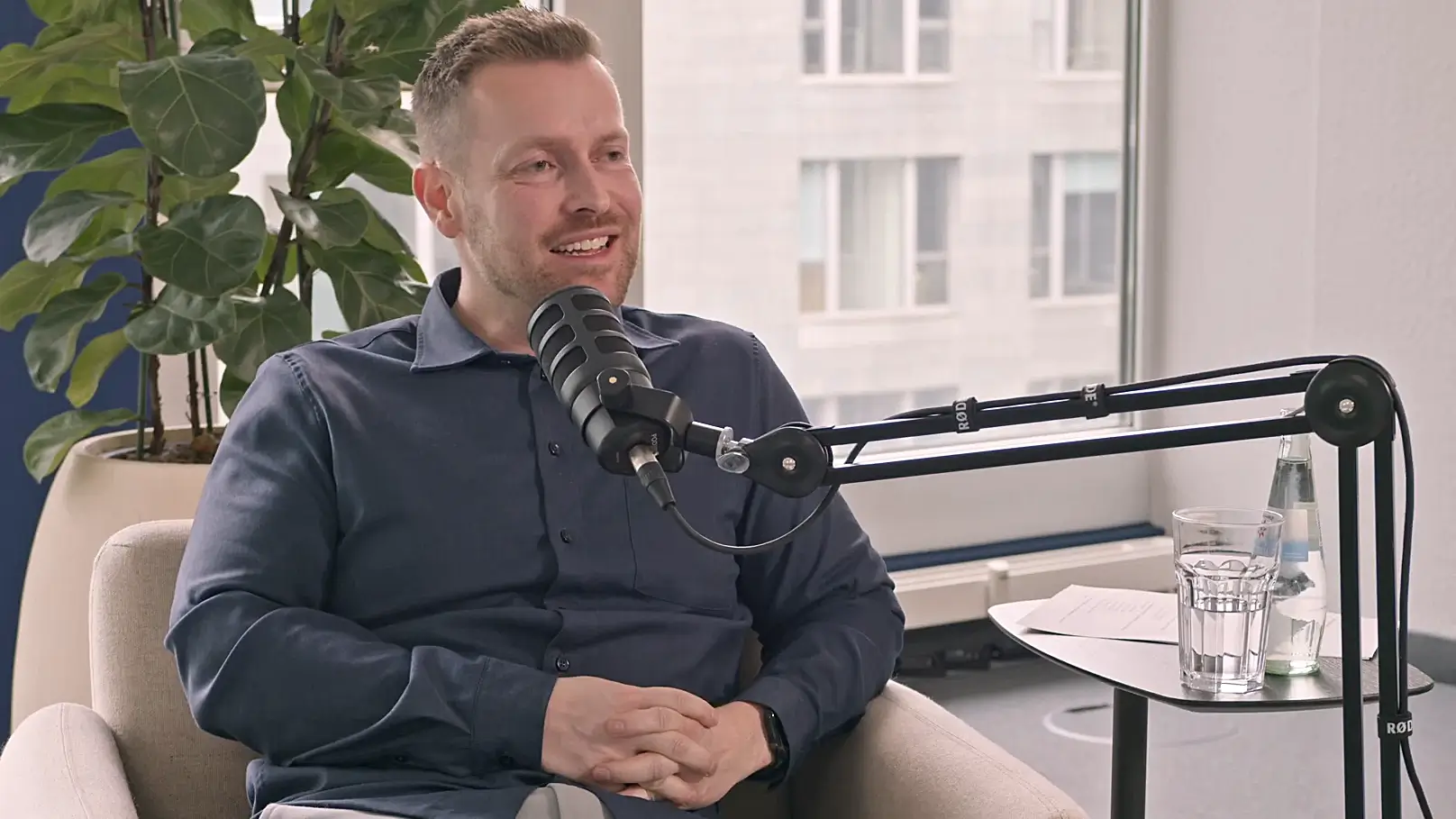

 Hard lessons in logistics, drop-shipping and agency red flags.28/05/2026. Made to measure, down to the centimetre: what DIY stores can't do, Grimberg GmbH turned into a business model. Maurice Grimberg and his sister Leonie run the family company from Sievern, started by their father in 2004 in a hallway, as a modern e‑commerce business with more than 130,000 customers in Germany and the Benelux. How do you notice that an agency doesn't really understand your product – and when do you act on it?Hard lessons in logistics, drop-shipping and agency red flags.
 76,000 fake shops uncovered: the industrial scale of global e‑commerce fraud.18/05/2026. When Matthias Marx started investigating open data leaks on the internet, he came across something he couldn't place at first: thousands of professionally designed web shops on the same technical base, with hidden code to skim credit card data. What followed was the discovery of BogusBazaar, a criminal network of more than 76,000 fake shops, run like a real company from China.76,000 fake shops uncovered: the industrial scale of global e‑commerce fraud.
 Trust rocks the cradle: crowdfunding and D2C from scratch.11/03/2026. Starting from zero with a completely unknown product, you need one thing above all: trust. Hendrik Mahncke, founder of Rock My Sleep, knew that from the start. He tells Jean-Marc Noël how a crowdfunding campaign and an idea on a sheet of paper became a serious e‑commerce business, and how an unknown brand earns the trust of parents.Trust rocks the cradle: crowdfunding and D2C from scratch.
 Market realities: navigating regional differences and subscriptions.12/01/2026. “There are moments when you feel like giving up – and that's often when it becomes clear whether a business will truly grow.” Jean-Marc Noël talks to Marius Rossel, founder and CEO of the Spanish e‑commerce agency TRILOGI, about 25 years of entrepreneurship, technological change and why trust is a decisive success factor in the Spanish market.Market realities: navigating regional differences and subscriptions.
 Always remember what makes you unique – it’s what makes you grow.07/07/2025. Every bag one of a kind, made from real fire hose – that's the idea behind Feuerwear. CEO Robert Klüsener talks to Jean-Marc Noël about sustainable production, building a direct-to-consumer shop and how e‑commerce works when every product exists only once – and why reviews and the Trusted Shops trustmark matter.Always remember what makes you unique – it’s what makes you grow.
 Screw the manual: why zero‑budget success demands your own unconventional path.21/05/2025. Carolin Handschuh started her online shop missforty germany in 2020, out of a personal crisis and without much starting capital. She talks to Jean-Marc Noël about bold decisions, honest marketing and building a strong community – why she made returns chargeable on purpose and what role TikTok plays in building her brand.Screw the manual: why zero‑budget success demands your own unconventional path.
 AI creates opportunity only if customers trust what you do with it.11/03/2025. Data protection, artificial intelligence, influencer marketing – e‑commerce is changing fast. Pixum has been a leader in photo products for 25 years, but competition is tougher than ever. Pixum CEO Daniel Attallah talks to Jean-Marc Noël about how transparency, data security and the Trusted Shops trustmark keep customers' trust.AI creates opportunity only if customers trust what you do with it.
More from #trstd casts
- We require transparent AI. Trust cannot be built without transparency.29/09/2026. Artificial intelligence has long been more than hype – and yet agentic AI is far from reality everywhere. In conversation with Sabrina Engling, Valentina Kerst of the German AI Association (KI Bundesverband) explains where companies stand today, which topics are underestimated and why good data foundations are decisive for the next stage. Kerst sees the biggest gap in data governance: companies need to know which data they have, where it lives, who may access it and how it is structured. Only a reliable data foundation makes it possible to use AI agents meaningfully.We require transparent AI. Trust cannot be built without transparency.
- A large number of reviews is a major factor for AI.22/09/2026. E‑commerce is changing fast: customers expect good products, fair prices and a smooth experience, while AI and agentic commerce change how people discover and buy products. Bastian Kolmsee, COO of Trusted Shops, talks to David Rissmann, Head of Strategy and Chief of Staff at Flaconi, about the beauty retailer's path from start-up to international e‑commerce company.A large number of reviews is a major factor for AI.
- Customer feedback is our main learning source.25/08/2026. 10,000 reviews, AI and a new course in e‑commerce: from fashion brand with physical stores to modern omnichannel retailer, More & More has gone through a full digital transformation. Jean-Marc Noël, CEO and founder of Trusted Shops, talks to Thomas Forstpointner, Head of E‑Commerce at More & More, about the challenges along the way and how trust works digitally.Customer feedback is our main learning source.
- Unfortunately, those who play by the rules are the ones who lose out.13/08/2026. Fake shops and manipulated reviews harm not only consumers but the whole of online retail. Dr. Carsten Föhlisch talks to Stephan Tromp, Deputy Managing Director of the German Retail Federation (HDE), about the growing threat of online fraud and why trust has become the most important currency in e‑commerce.Unfortunately, those who play by the rules are the ones who lose out.
- When emotions play a role, rationality goes out the window.28/07/2026. Why do we often trust a website within seconds? And why is a professional design often enough to switch off our critical thinking? Dr. Carsten Föhlisch talks to Michael Rasimus, head of the eye-tracking lab at DHBW Karlsruhe, about the psychology behind fake shops and online fraud, and what eye tracking reveals about where people really look.When emotions play a role, rationality goes out the window.
- Fake shops with AI: highly professional, fast-rising fraud.29/05/2026. Fake shops can hardly be told apart from real ones any more – AI makes it possible, and the numbers show online fraud is rising sharply. Dr. Carsten Föhlisch talks to Isabelle Rosière, Managing Director of Deutschland sicher im Netz e.V. (DsiN), about the rapid professionalisation of online fraud and what it means for consumers.Fake shops with AI: highly professional, fast-rising fraud.
- Hard lessons in logistics, drop-shipping and agency red flags.28/05/2026. Made to measure, down to the centimetre: what DIY stores can't do, Grimberg GmbH turned into a business model. Maurice Grimberg and his sister Leonie run the family company from Sievern, started by their father in 2004 in a hallway, as a modern e‑commerce business with more than 130,000 customers in Germany and the Benelux. How do you notice that an agency doesn't really understand your product – and when do you act on it?Hard lessons in logistics, drop-shipping and agency red flags.
- 76,000 fake shops uncovered: the industrial scale of global e‑commerce fraud.18/05/2026. When Matthias Marx started investigating open data leaks on the internet, he came across something he couldn't place at first: thousands of professionally designed web shops on the same technical base, with hidden code to skim credit card data. What followed was the discovery of BogusBazaar, a criminal network of more than 76,000 fake shops, run like a real company from China.76,000 fake shops uncovered: the industrial scale of global e‑commerce fraud.
- Differentiating the indifferent for a 20% conversion uplift.14/04/2026. Electricity and gas are invisible products. That's exactly why trust at E wie Einfach is not a phrase but a conversion strategy. Roman Philippi tells Jean-Marc Noël how the Cologne-based E.ON subsidiary brings innovation, customer focus and measurable trust signals together in a highly regulated market – and what difference a trustmark really makes at checkout.Differentiating the indifferent for a 20% conversion uplift.
- Trust rocks the cradle: crowdfunding and D2C from scratch.11/03/2026. Starting from zero with a completely unknown product, you need one thing above all: trust. Hendrik Mahncke, founder of Rock My Sleep, knew that from the start. He tells Jean-Marc Noël how a crowdfunding campaign and an idea on a sheet of paper became a serious e‑commerce business, and how an unknown brand earns the trust of parents.Trust rocks the cradle: crowdfunding and D2C from scratch.
- Market realities: navigating regional differences and subscriptions.12/01/2026. “There are moments when you feel like giving up – and that's often when it becomes clear whether a business will truly grow.” Jean-Marc Noël talks to Marius Rossel, founder and CEO of the Spanish e‑commerce agency TRILOGI, about 25 years of entrepreneurship, technological change and why trust is a decisive success factor in the Spanish market.Market realities: navigating regional differences and subscriptions.
- From negative reviews to pure anticipation: rewriting the customer experience through feedback.03/11/2025. How do you build trust in a market where products need explaining – and scale internationally with it? Kevin Föllmer, Head of Sales at DF Automotive, describes the journey from the first unique selling point (“Which part fits my car?”) to a buying experience that systematically removes uncertainty.From negative reviews to pure anticipation: rewriting the customer experience through feedback.